Rash Decisions, Done Right: Pattern Recognition, Red Flags, and Diagnostic Accuracy in Pediatric Dermatoses
Pediatric dermatology requires keen observation and systematic pattern recognition to distinguish benign rashes from serious conditions. Early identification of red flags—such as mucosal involvement, systemic symptoms, or rapid progression—is essential for timely intervention. Recognising hallmark patterns of infectious, inflammatory, allergic, and genetic dermatoses enhances diagnostic precision and reduces unnecessary investigations. Emphasis on morphologic analysis, distribution patterns, and age-specific presentations aids clinicians in differentiating conditions like atopic dermatitis, viral exanthems, Kawasaki disease, and meningococcemia. Incorporating clinical algorithms and dermoscopic evaluation improves diagnostic accuracy and management outcomes. This approach empowers paediatricians to make informed, evidence-based decisions in paediatric skin disorders.

Dr. Snehal Patel
MBBS, DNB - Paediatrics, Consultant Paediatrician at KD Hospital, Ahmedabad, Consultant Neonatal and Paediatric Intensivist at CIMS Hospital, Ahmedabad
Speaker
Related Content
Video
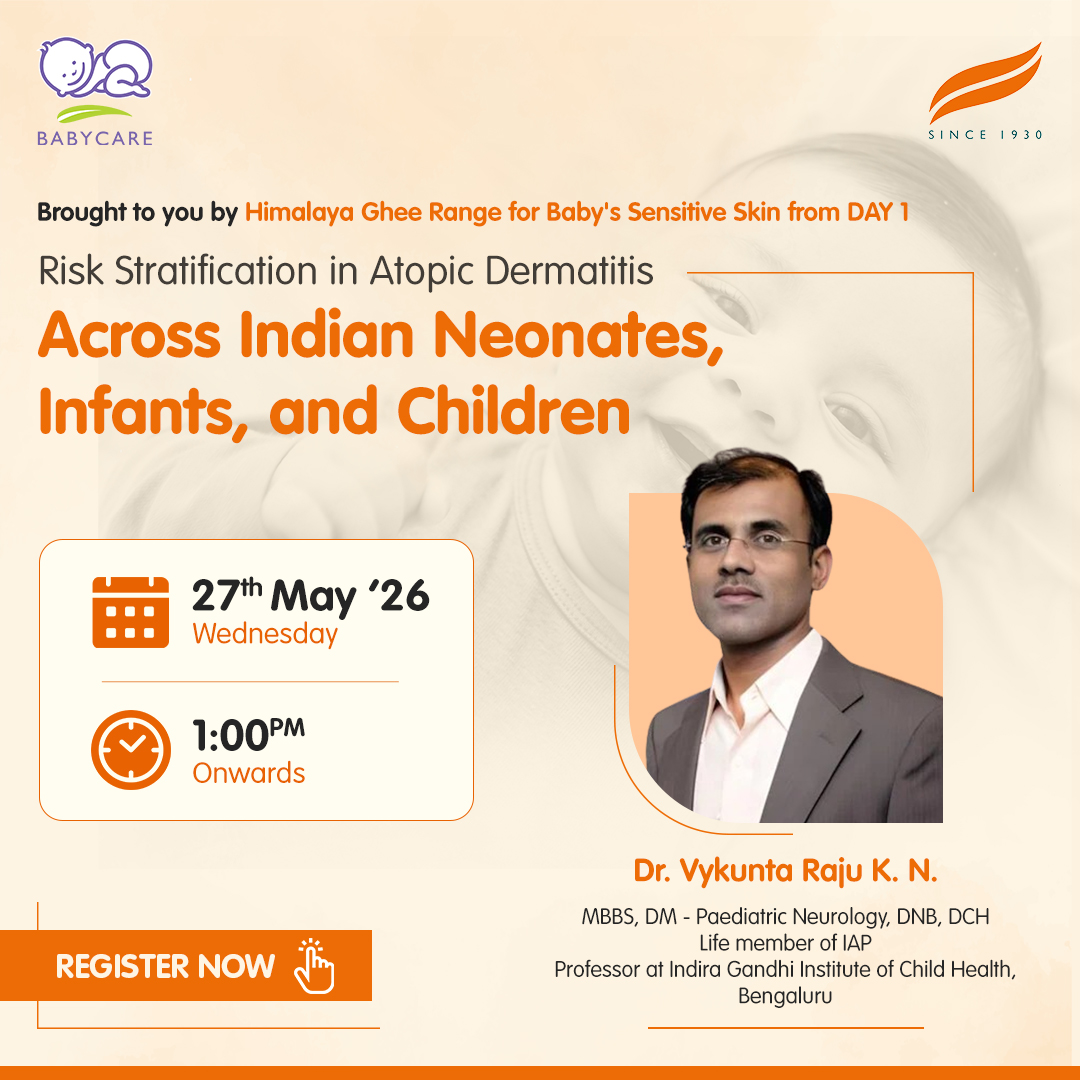
Risk Stratification in Atopic Dermatitis
Across Indian Neonates, Infants, and Children
Video
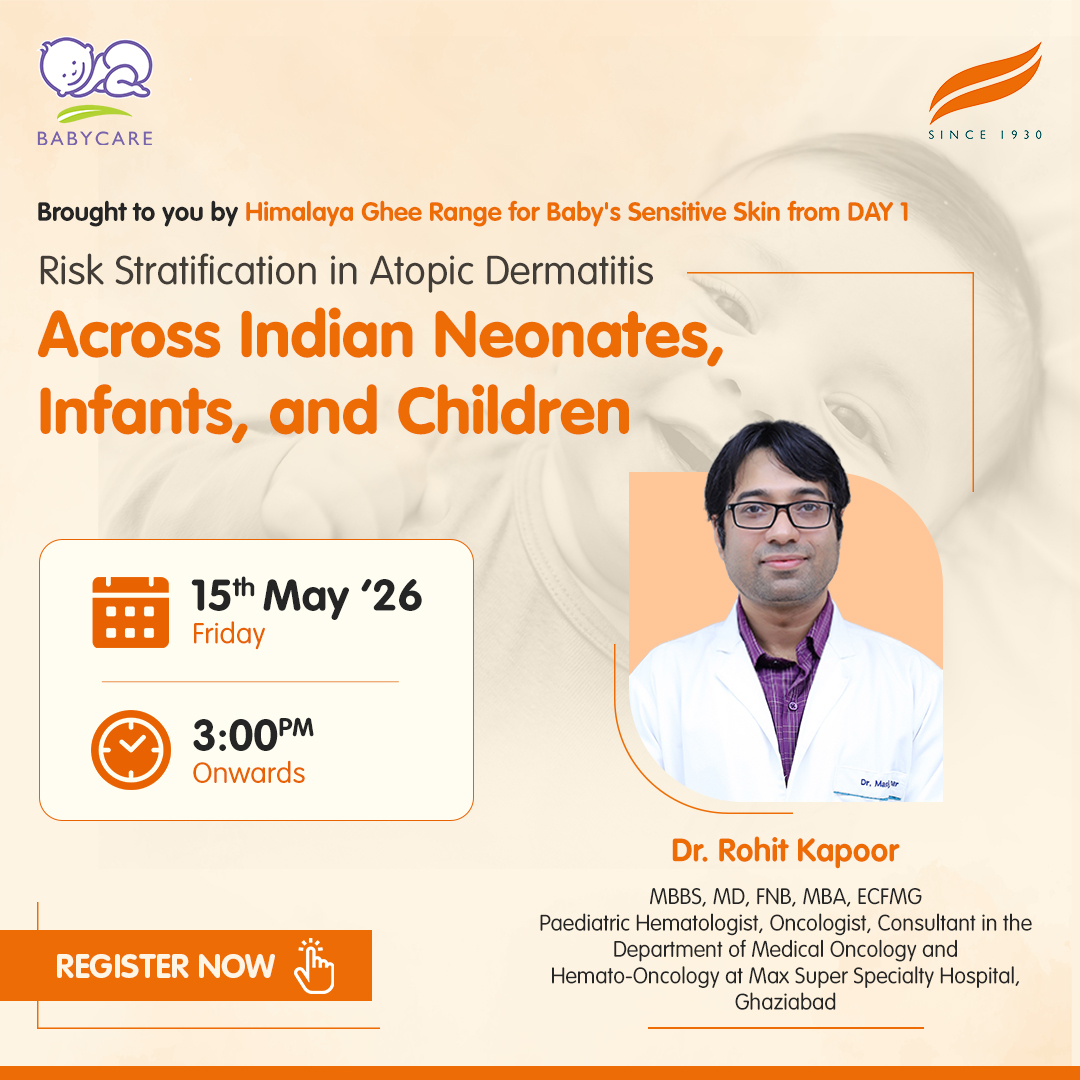
Risk Stratification in Atopic Dermatitis
Across Indian Neonates, Infants, and Children
Video
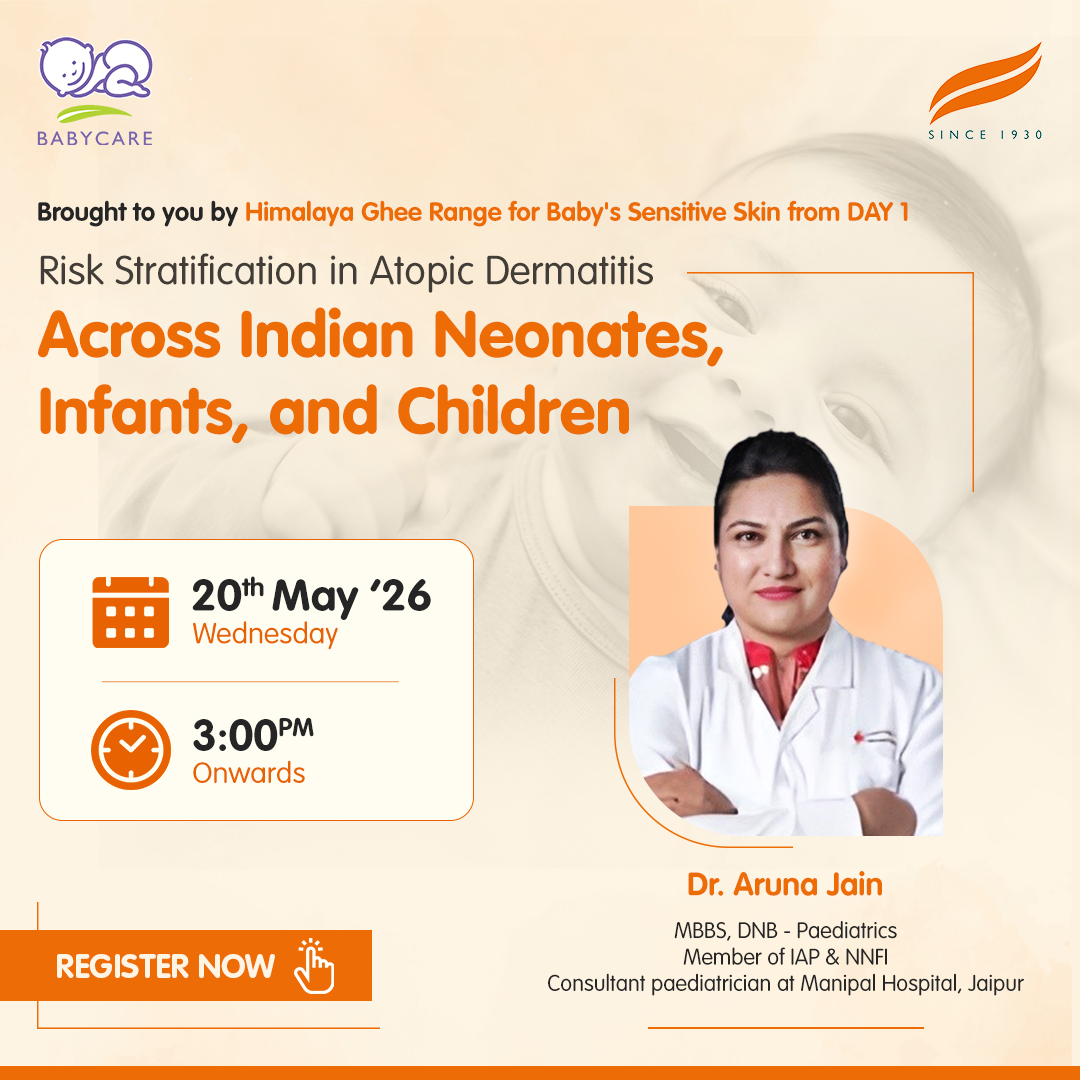
Risk Stratification in Atopic Dermatitis
Across Indian Neonates, Infants, and Children
Video
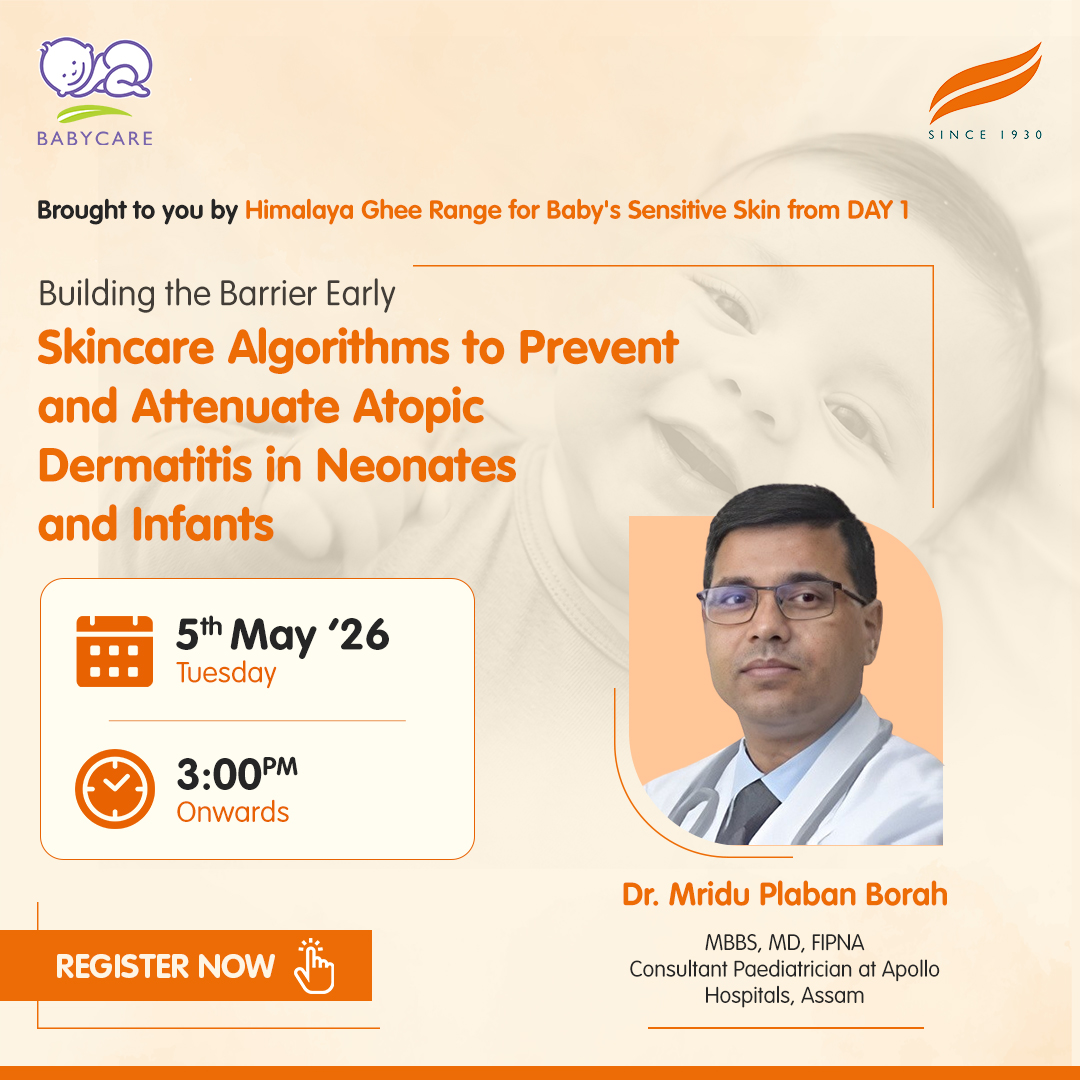
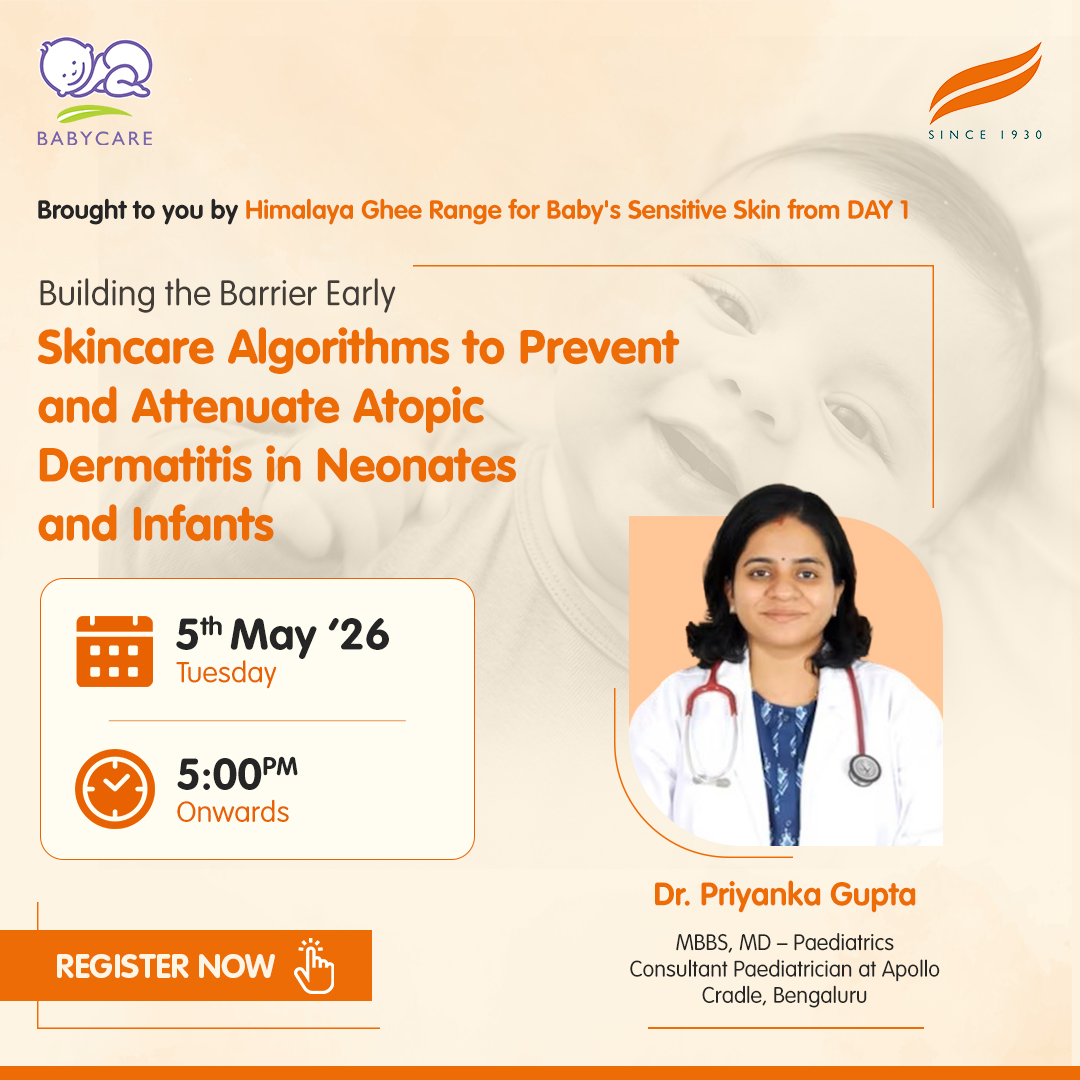
Building the Barrier Early
Skincare Algorithms to Prevent and Attenuate Atopic Dermatitis in Neonates and Infants
Video
Building the Barrier Early
Skincare Algorithms to Prevent and Attenuate Atopic Dermatitis in Neonates and Infants
Video
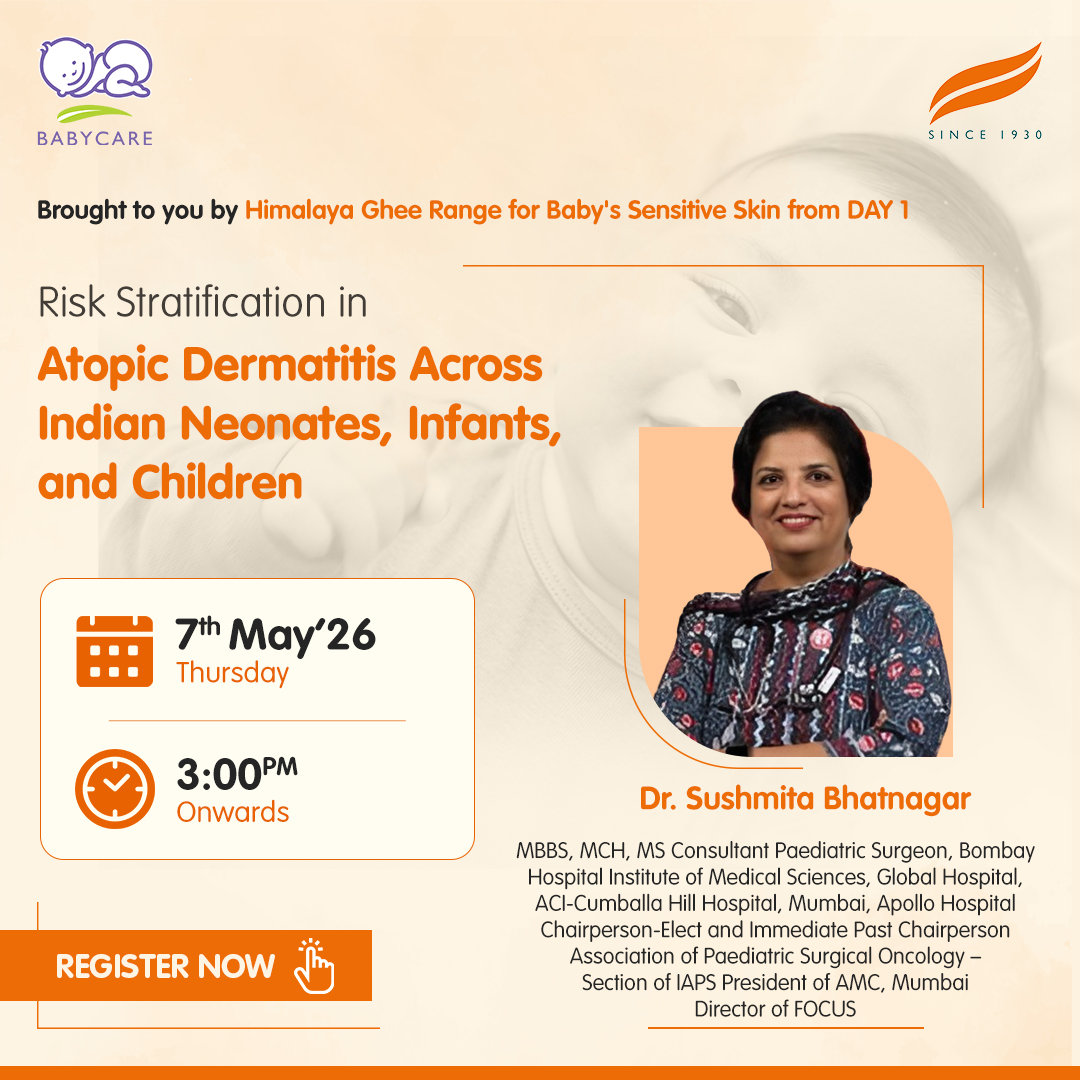
Risk Stratification in Atopic Dermatitis
Across Indian Neonates, Infants, and Children
Video
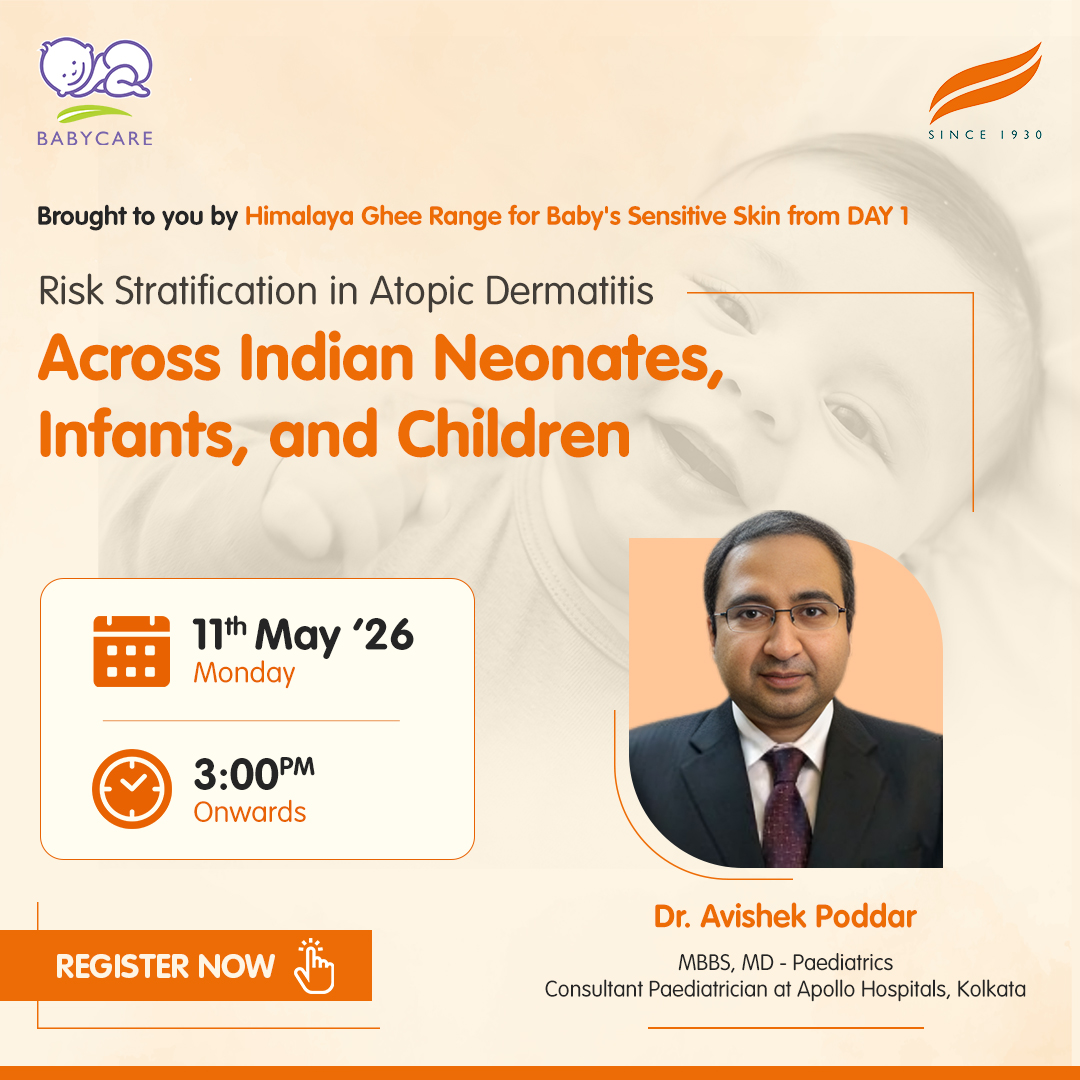
Risk Stratification in Atopic Dermatitis
Across Indian Neonates, Infants, and Children
Video
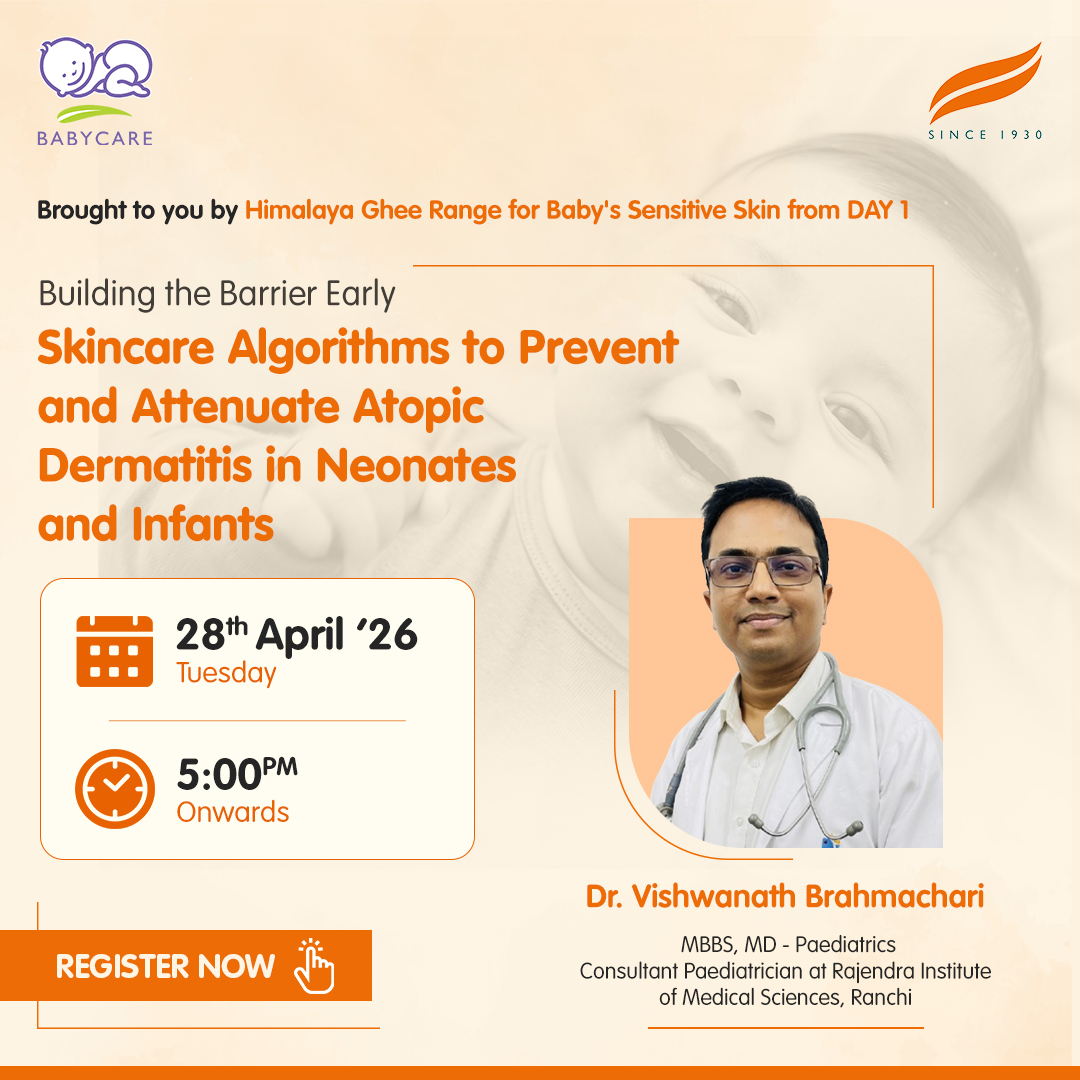
Building the Barrier Early
Skincare Algorithms to Prevent and Attenuate Atopic Dermatitis in Neonates and Infants