Early Immune Programming and the Allergy March: What Every Paediatrician Should Know
Early immune programming plays a pivotal role in shaping a child’s susceptibility to allergic diseases, which often follow a predictable sequence known as the allergy march. This progression typically begins with atopic dermatitis and food allergy in infancy, followed by asthma and allergic rhinitis in later childhood. Understanding how genetic predisposition, environmental exposures, diet, and microbial influences interact to shape immune tolerance is essential for paediatricians. Early recognition of risk factors, timely interventions, and preventive strategies can alter disease trajectories. By appreciating these mechanisms, clinicians can better counsel families, guide management, and potentially reduce the long-term burden of allergic disease.

Dr. Anurag Singh
MBBS, MD, Consultant Paediatrician and Neonatal Specialist at Saroj Hospital, Jodhpur
Speaker
Related Content
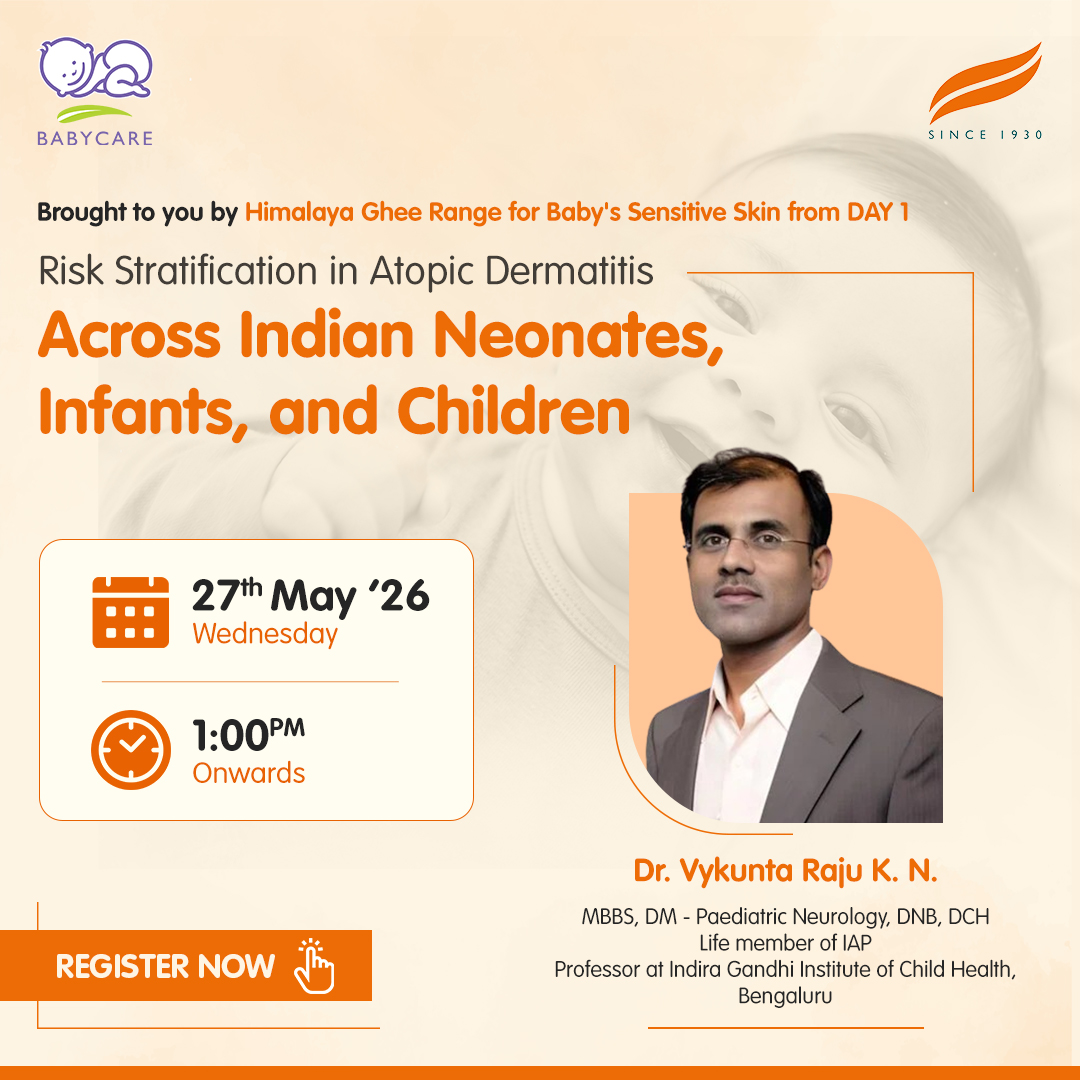
Video
Risk Stratification in Atopic Dermatitis
Across Indian Neonates, Infants, and Children
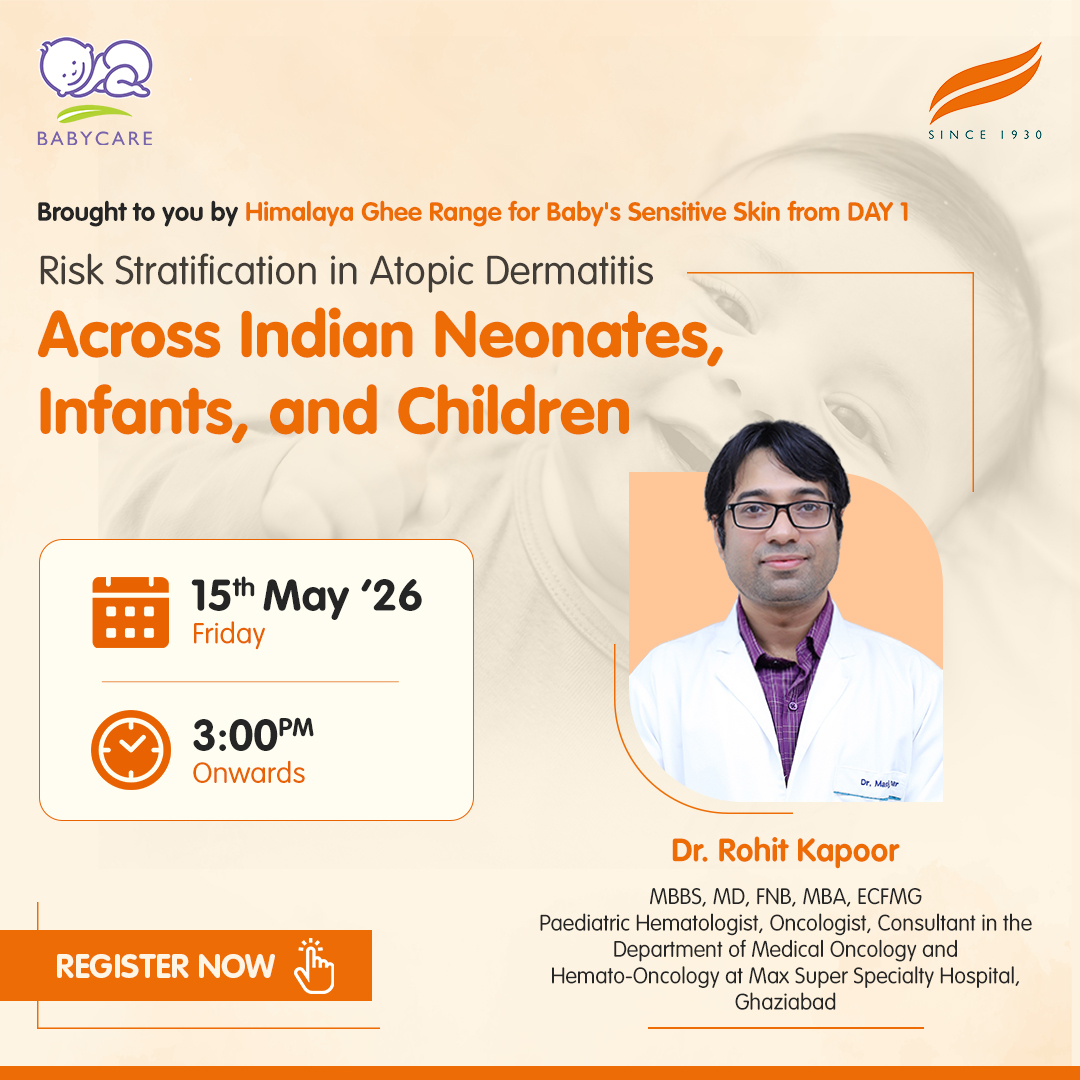
Video
Risk Stratification in Atopic Dermatitis
Across Indian Neonates, Infants, and Children
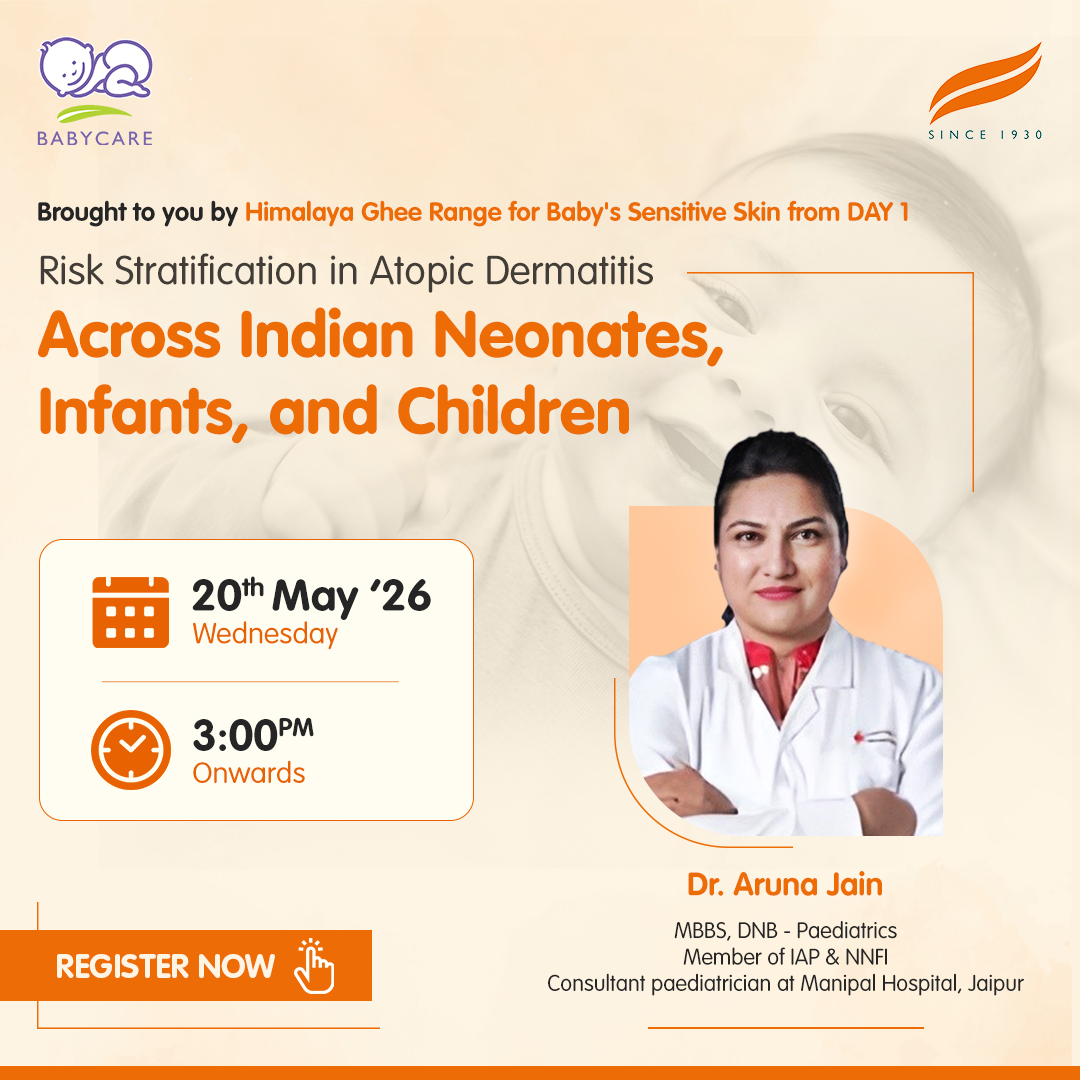
Video
Risk Stratification in Atopic Dermatitis
Across Indian Neonates, Infants, and Children
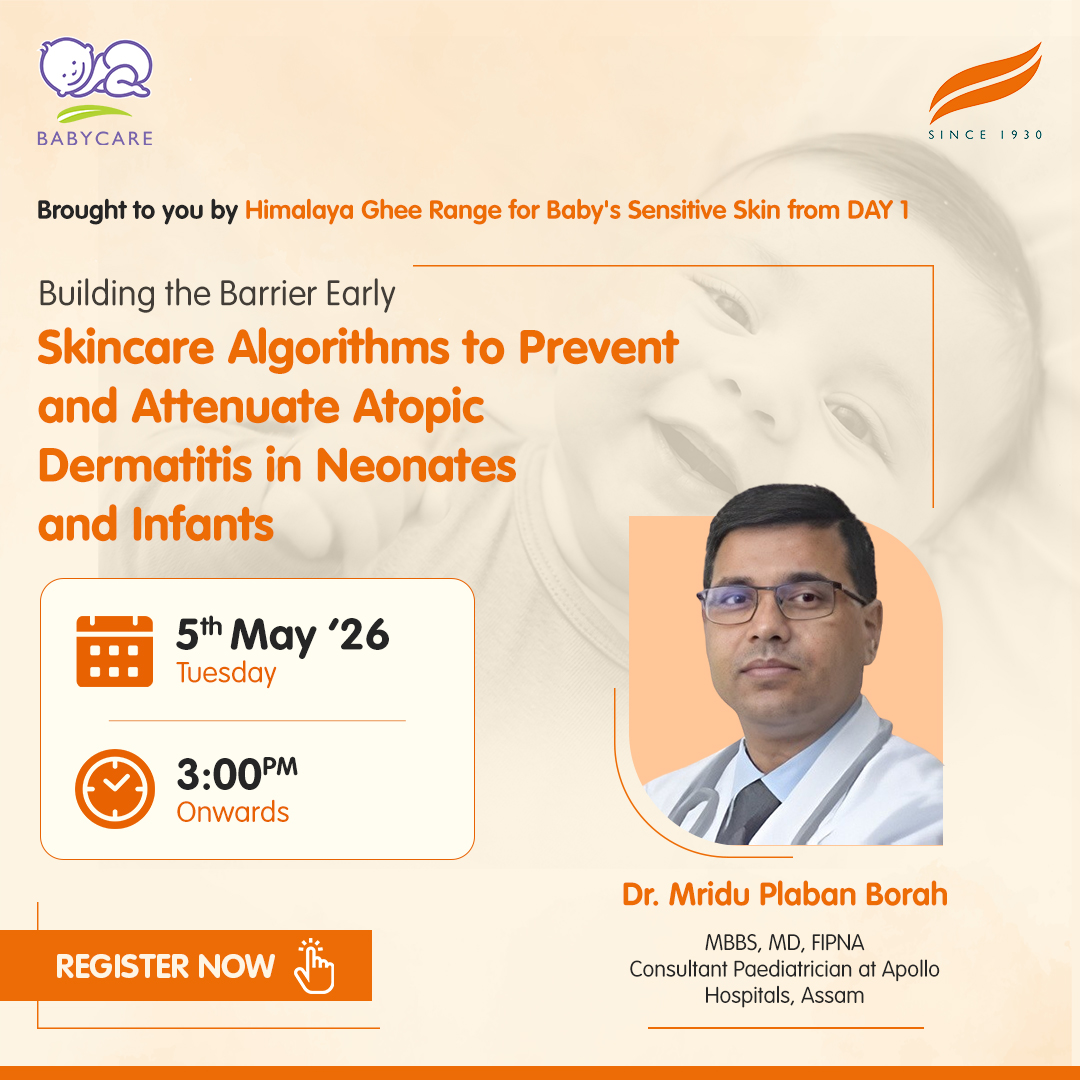
Video
Building the Barrier Early
Skincare Algorithms to Prevent and Attenuate Atopic Dermatitis in Neonates and Infants
Video
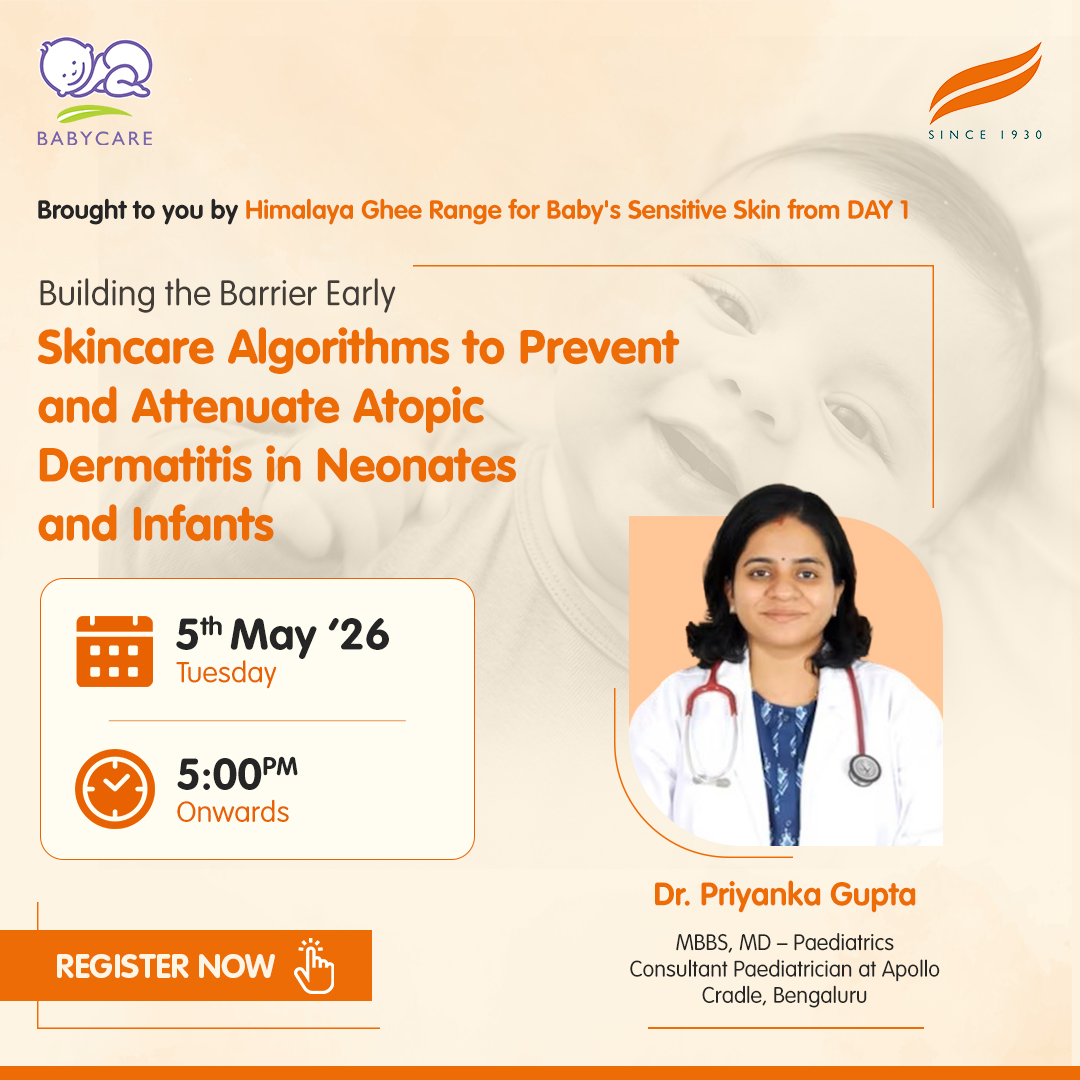
Building the Barrier Early
Skincare Algorithms to Prevent and Attenuate Atopic Dermatitis in Neonates and Infants
Video
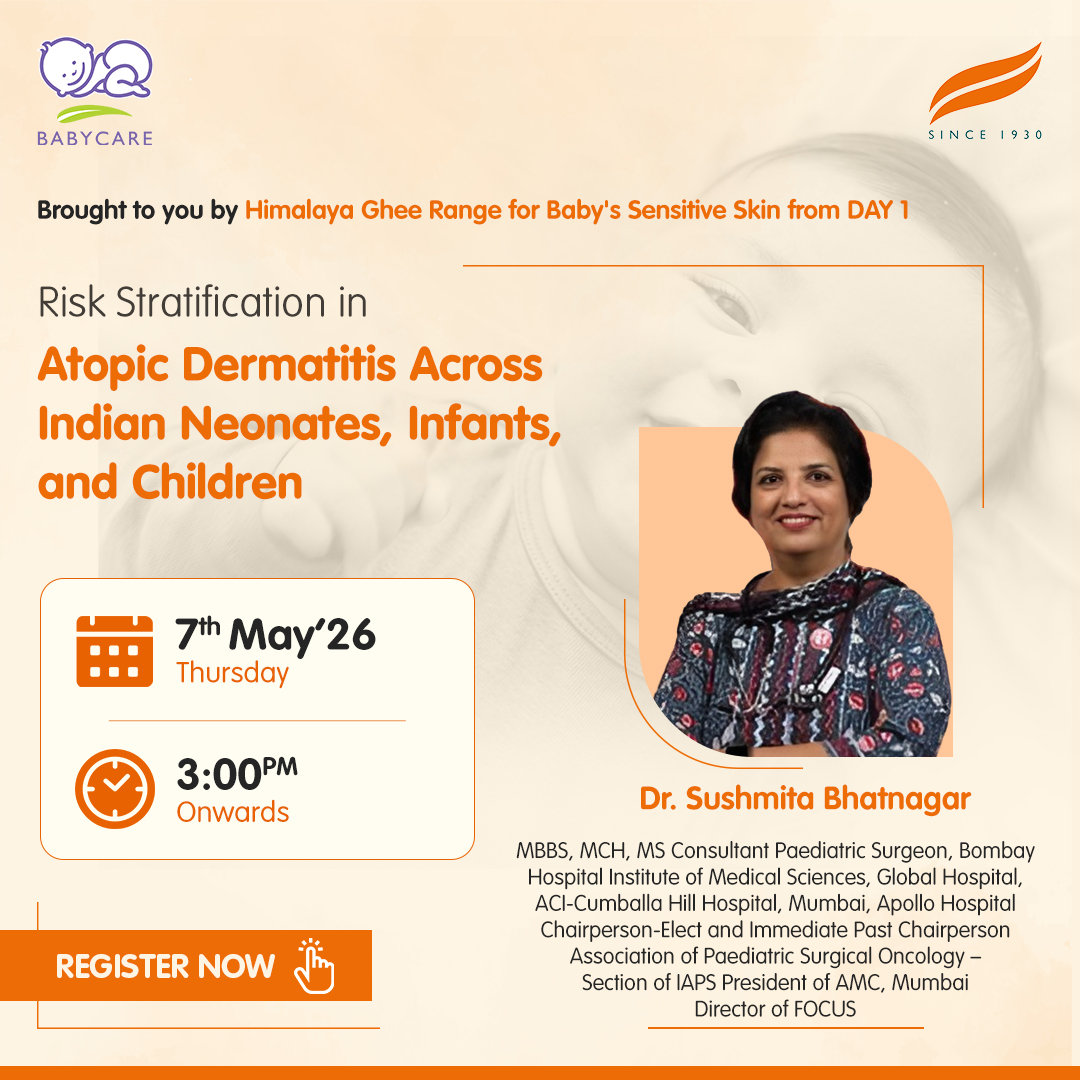
Risk Stratification in Atopic Dermatitis
Across Indian Neonates, Infants, and Children
Video
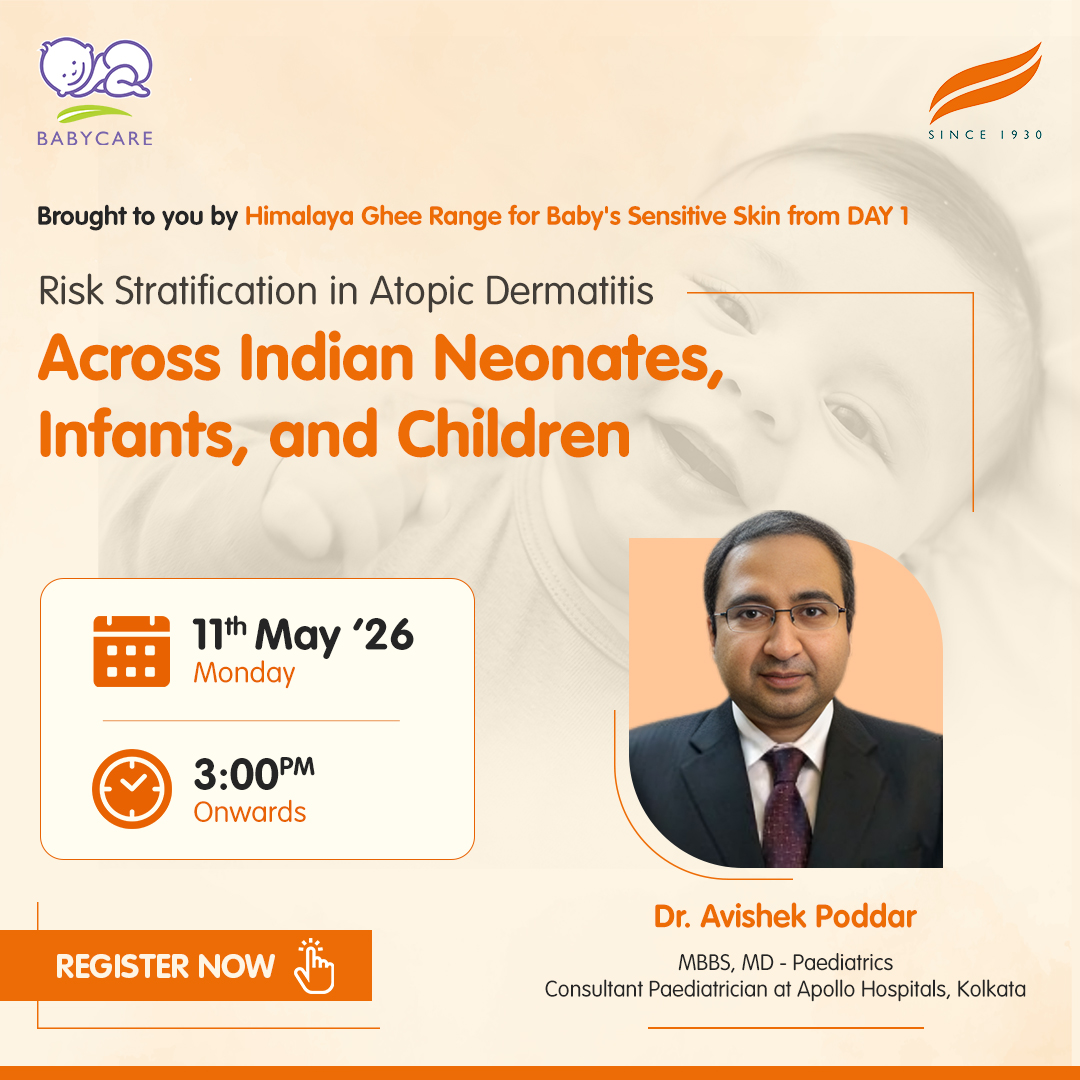
Risk Stratification in Atopic Dermatitis
Across Indian Neonates, Infants, and Children
Video
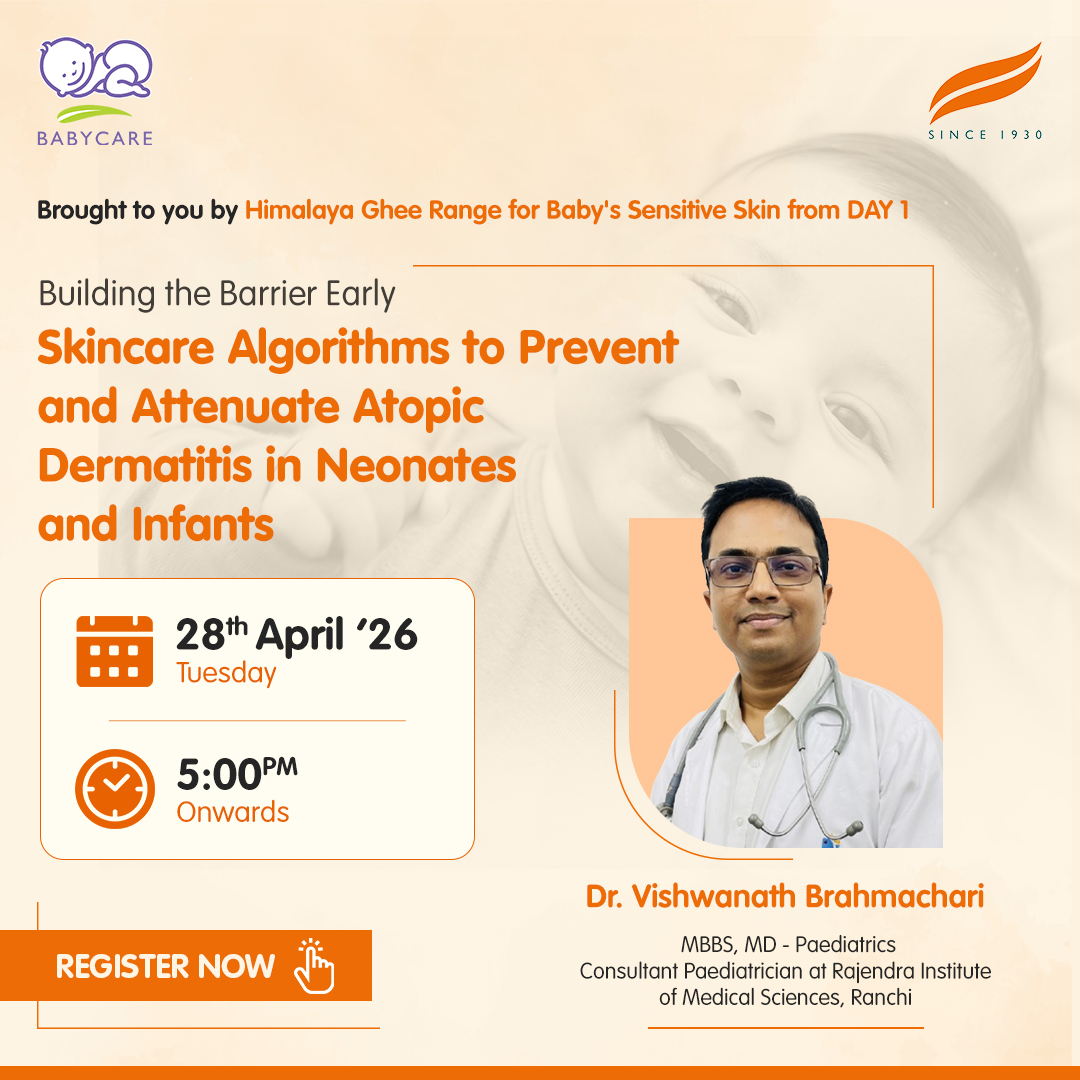
Building the Barrier Early
Skincare Algorithms to Prevent and Attenuate Atopic Dermatitis in Neonates and Infants