Diagnostic Challenges in Infantile Dermatoses: Distinguishing the Look-Alikes
Infantile dermatoses encompass transient or chronic skin conditions in infants under 12 months, where diagnostic complexity arises from remarkably similar presentations of erythema, scaling, and vesicular lesions across etiologically distinct disorders. Key "look-alike" conditions include seborrheic dermatitis (with greasy scales on scalp/face), atopic dermatitis (pruritic, lichenified plaques), candidal intertrigo (sharp-bordered erythema in moist folds), and viral exanthems (e.g., erythema toxicum neonatorum), necessitating meticulous differentiation through age-specific criteria such as lesion distribution, evolution timeline, and associated systemic signs. Diagnostic strategies prioritize non-invasive approaches: detailed maternal/prenatal history, Wood's lamp examination to detect fungal elements, and skin scraping for microscopic analysis, while avoiding premature steroid application that may exacerbate infectious causes. Accurate distinction directly prevents iatrogenic harm, optimizes age-appropriate therapy (e.g., antifungals versus emollients), and reduces parental distress, ultimately safeguarding skin barrier integrity and neurodevelopmental outcomes in this immunologically fragile population.

Dr. Himanshu Gupta
MBBS, MD, Leading Dermatologist, Venereologist, Trichologist & Cosmetologist, Founder of Skinkonnect Clinics in Ghaziabad & East Delhi, Member of International Society of Dermatology
Speaker
Related Content
Video
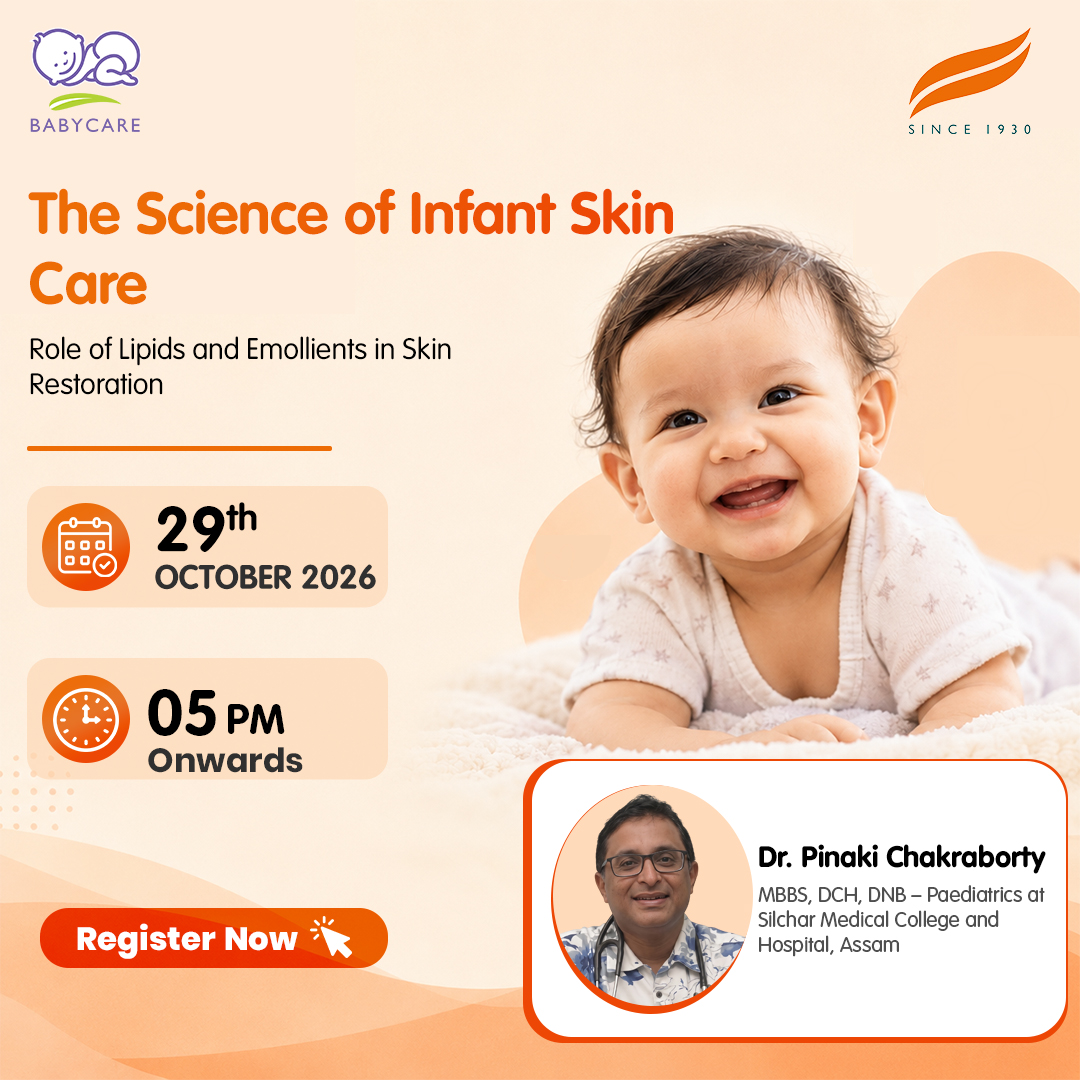
The Science of Infant Skin Care:
Role of Lipids and Emollients in Skin Restoration
Video
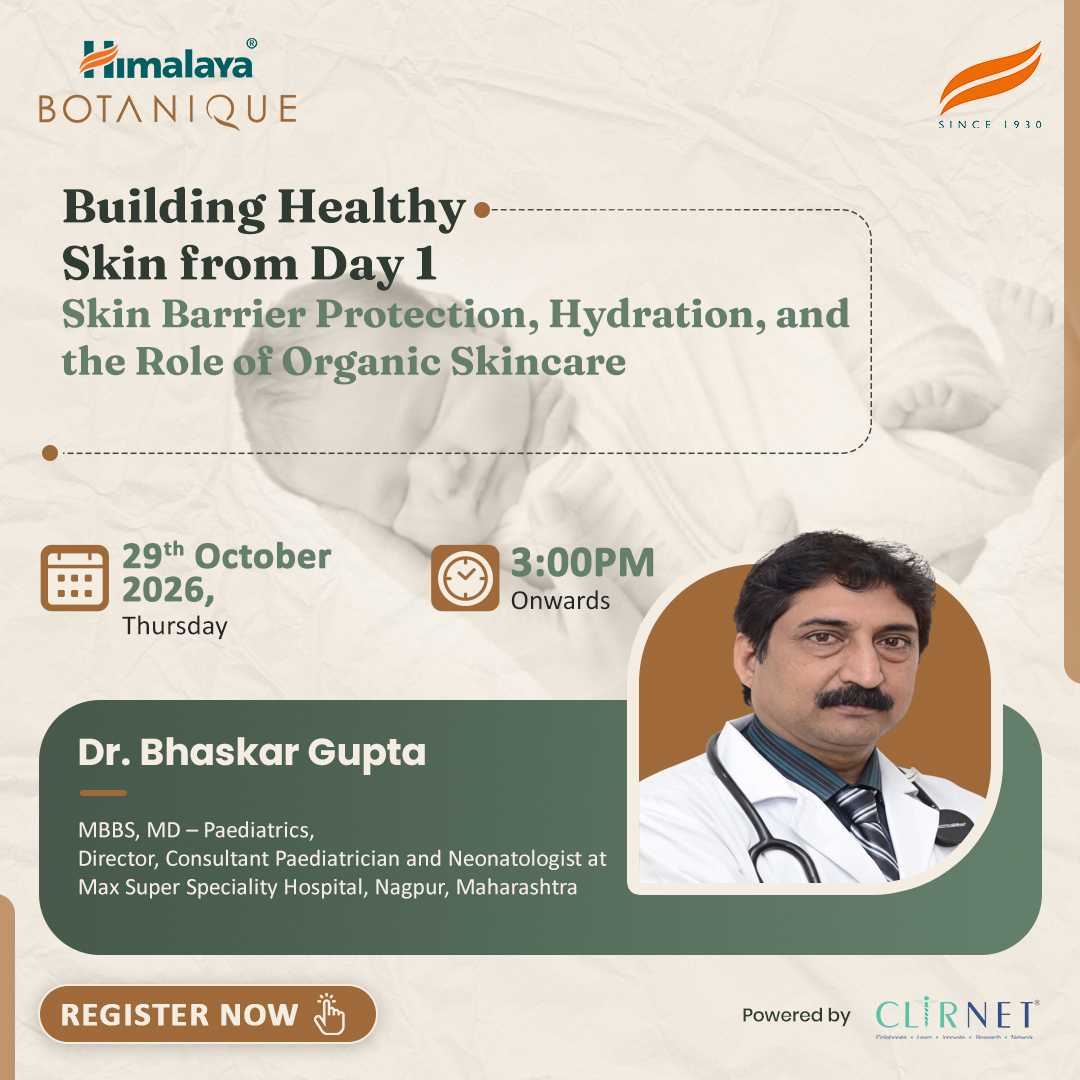
Building Healthy Skin from Day 1:
Skin Barrier Protection, Hydration, and the Role of Organic Skincare

Video
Fragile Beginnings:
Best Choice of Emollient for Barrier Development, Immune Function, and the Microbiome in Infants
Video
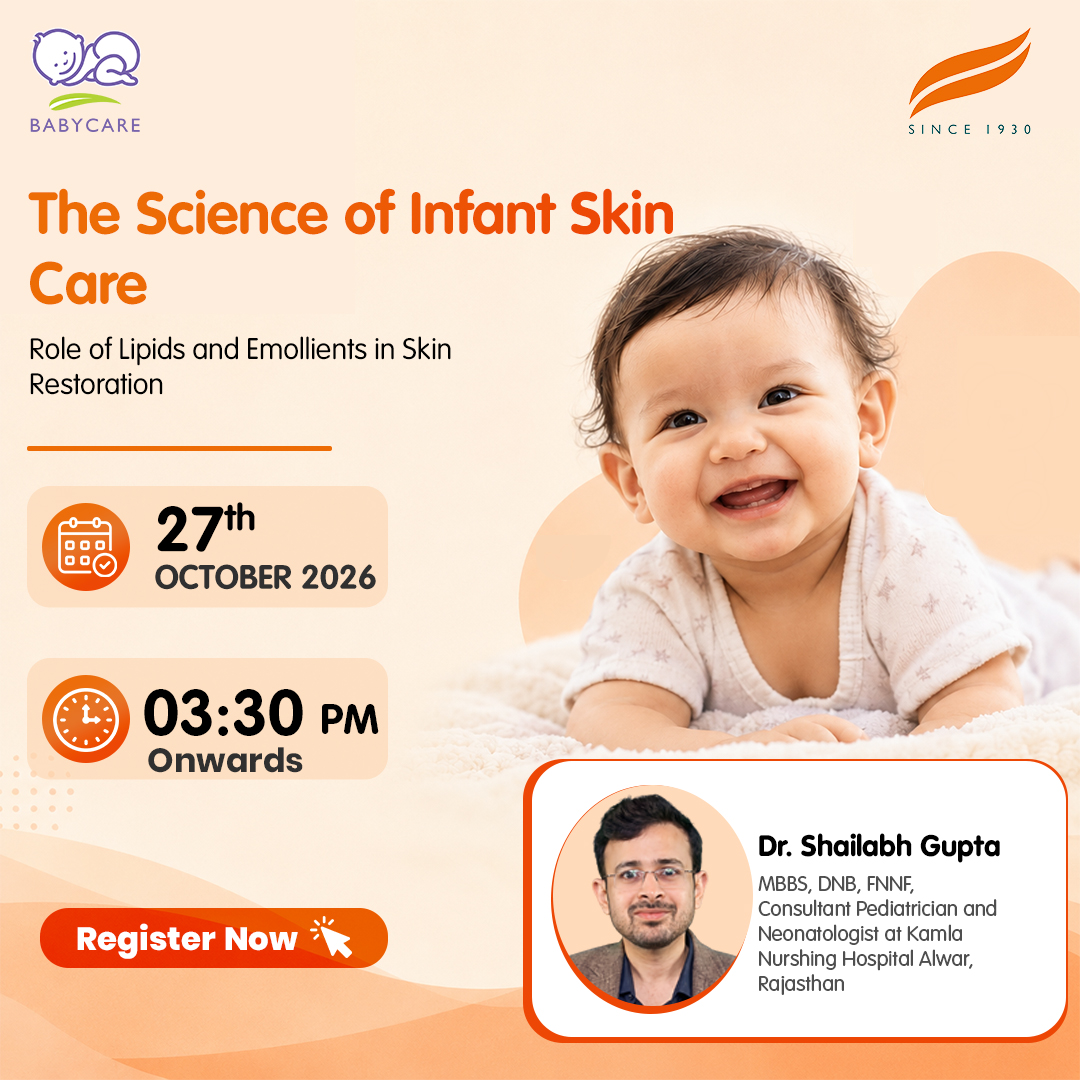
The Science of Infant Skin Care:
Role of Lipids and Emollients in Skin Restoration
Video
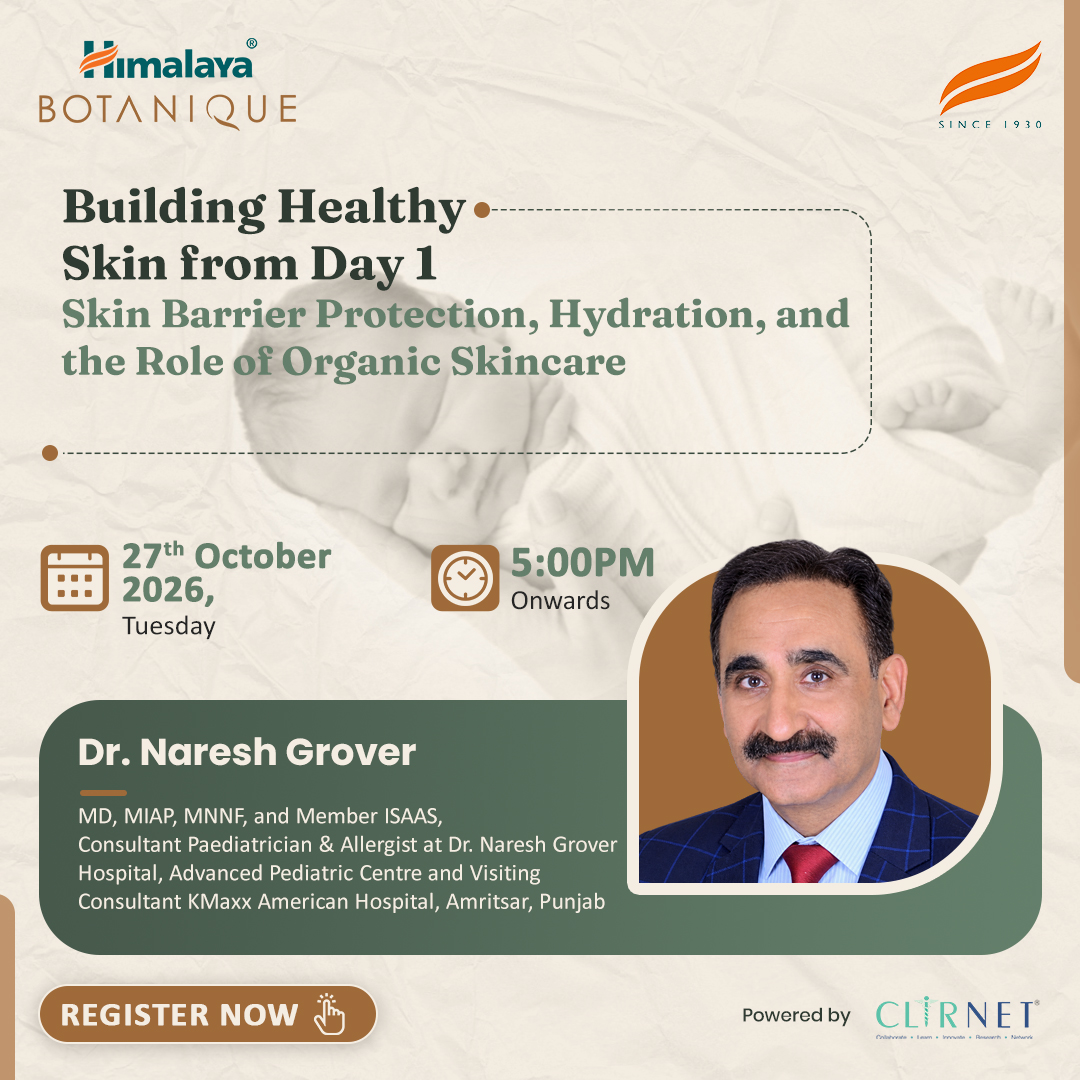
Building Healthy Skin from Day 1:
Skin Barrier Protection, Hydration, and the Role of Organic Skincare
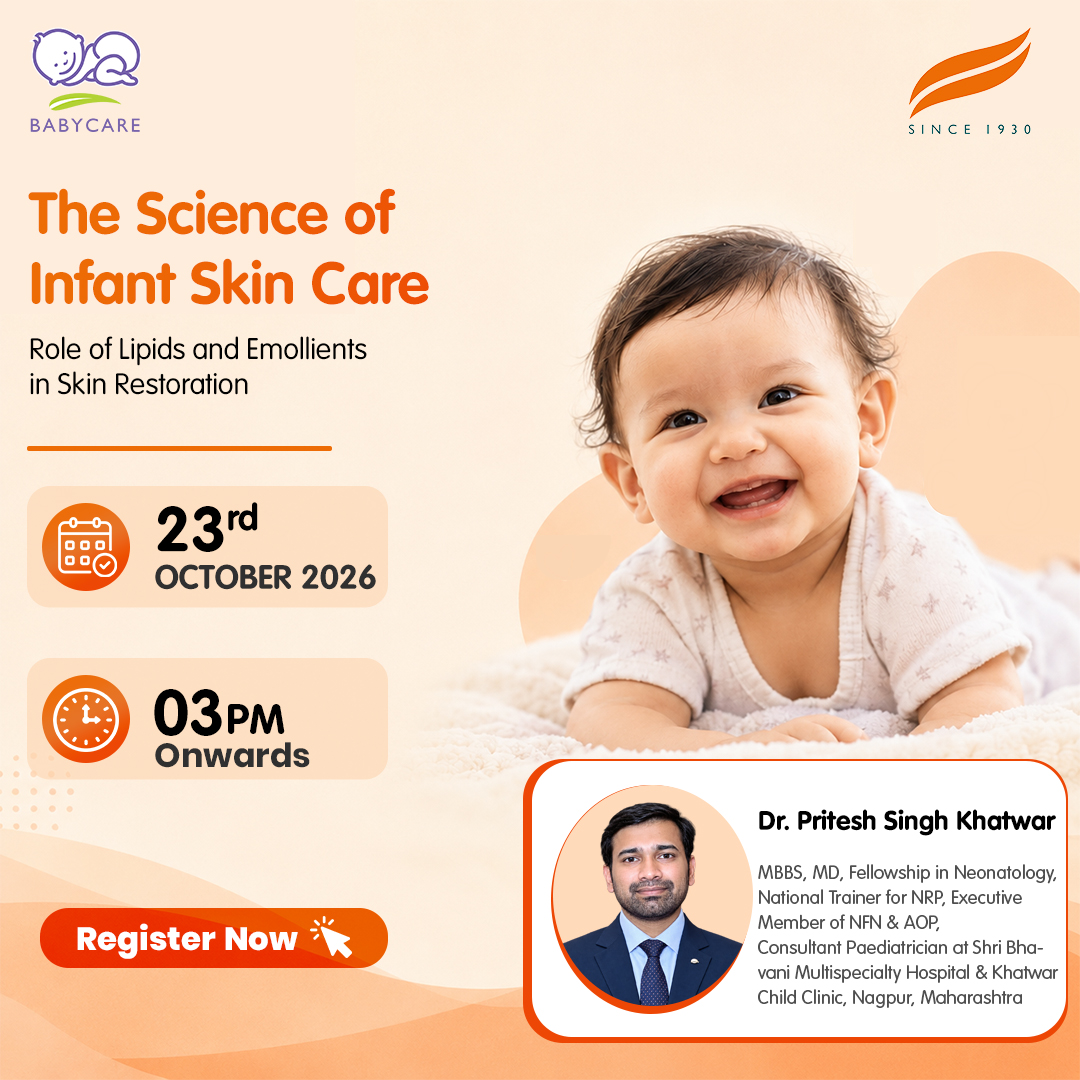
Video
The Science of Infant Skin Care
Role of Lipids and Emollients in Skin Restoration
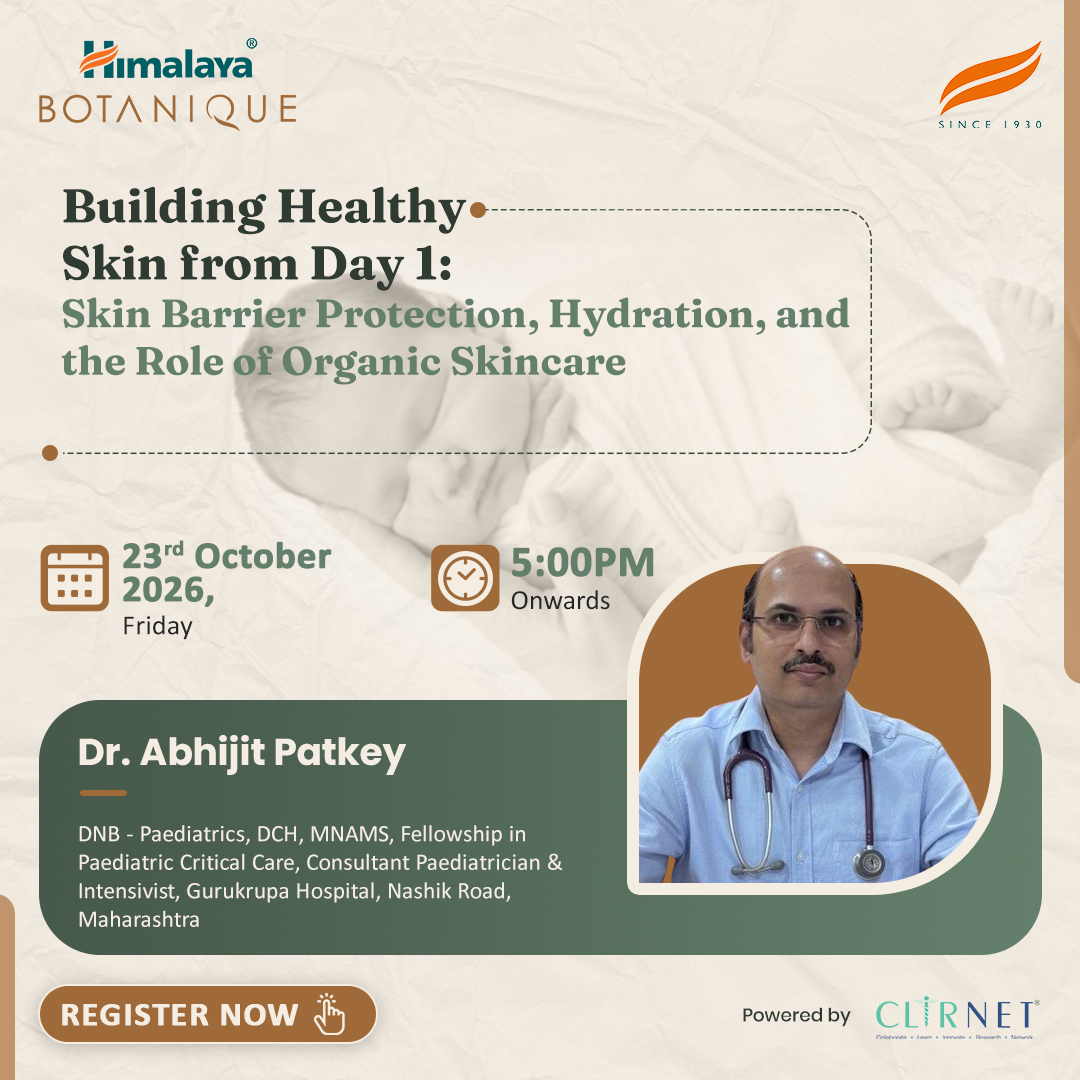
Video
Building Healthy Skin from Day 1
Skin Barrier Protection, Hydration, and the Role of Organic Skincare
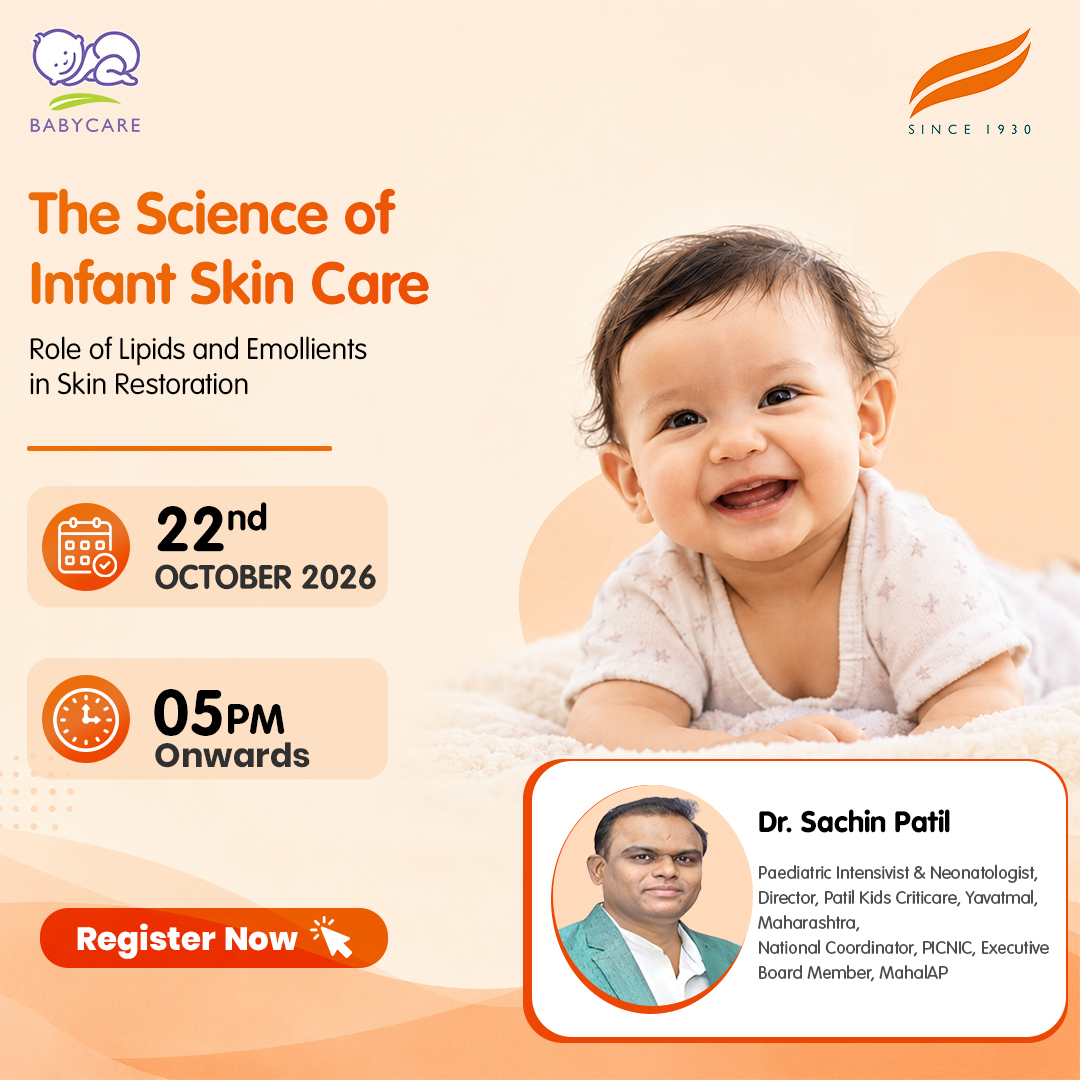
Video
The Science of Infant Skin Care
Role of Lipids and Emollients in Skin Restoration