Early Immune Programming and the Allergy March: What Every Paediatrician Should Know
Early immune programming plays a pivotal role in shaping a child’s susceptibility to allergic diseases, which often follow a predictable sequence known as the allergy march. This progression typically begins with atopic dermatitis and food allergy in infancy, followed by asthma and allergic rhinitis in later childhood. Understanding how genetic predisposition, environmental exposures, diet, and microbial influences interact to shape immune tolerance is essential for paediatricians. Early recognition of risk factors, timely interventions, and preventive strategies can alter disease trajectories. By appreciating these mechanisms, clinicians can better counsel families, guide management, and potentially reduce the long-term burden of allergic disease.

Dr. Saheli Dasgupta
MBBS, MD - Paediatrics, FIAP, MIAP, MPICC, ECMO Fellowship from ESOI, PGPN from Boston, USA, Head of Pediatric Critical Care and Senior Consultant Pediatrician at Peerless Hospital, Kolkata
Speaker
Related Content
Video
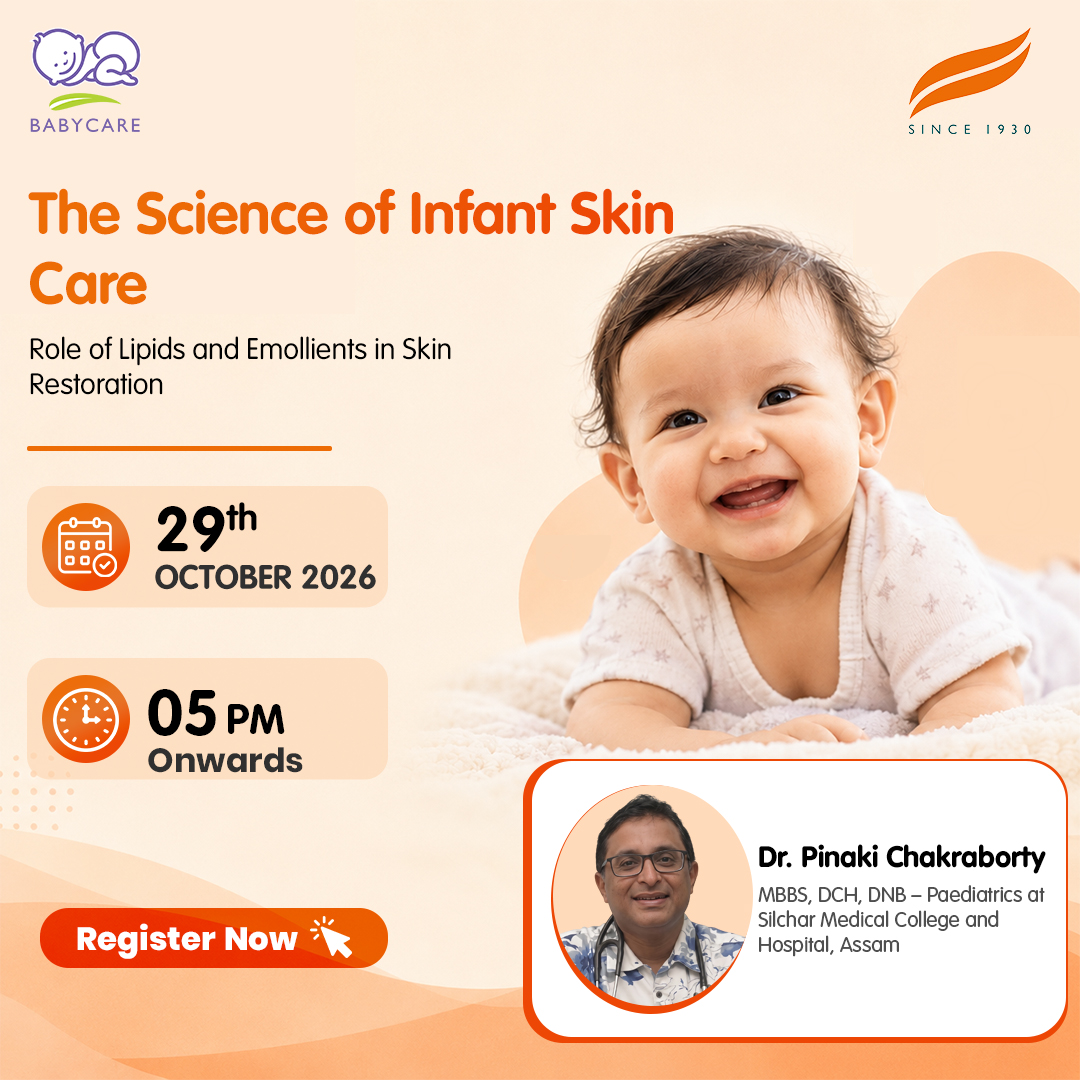
The Science of Infant Skin Care:
Role of Lipids and Emollients in Skin Restoration
Video
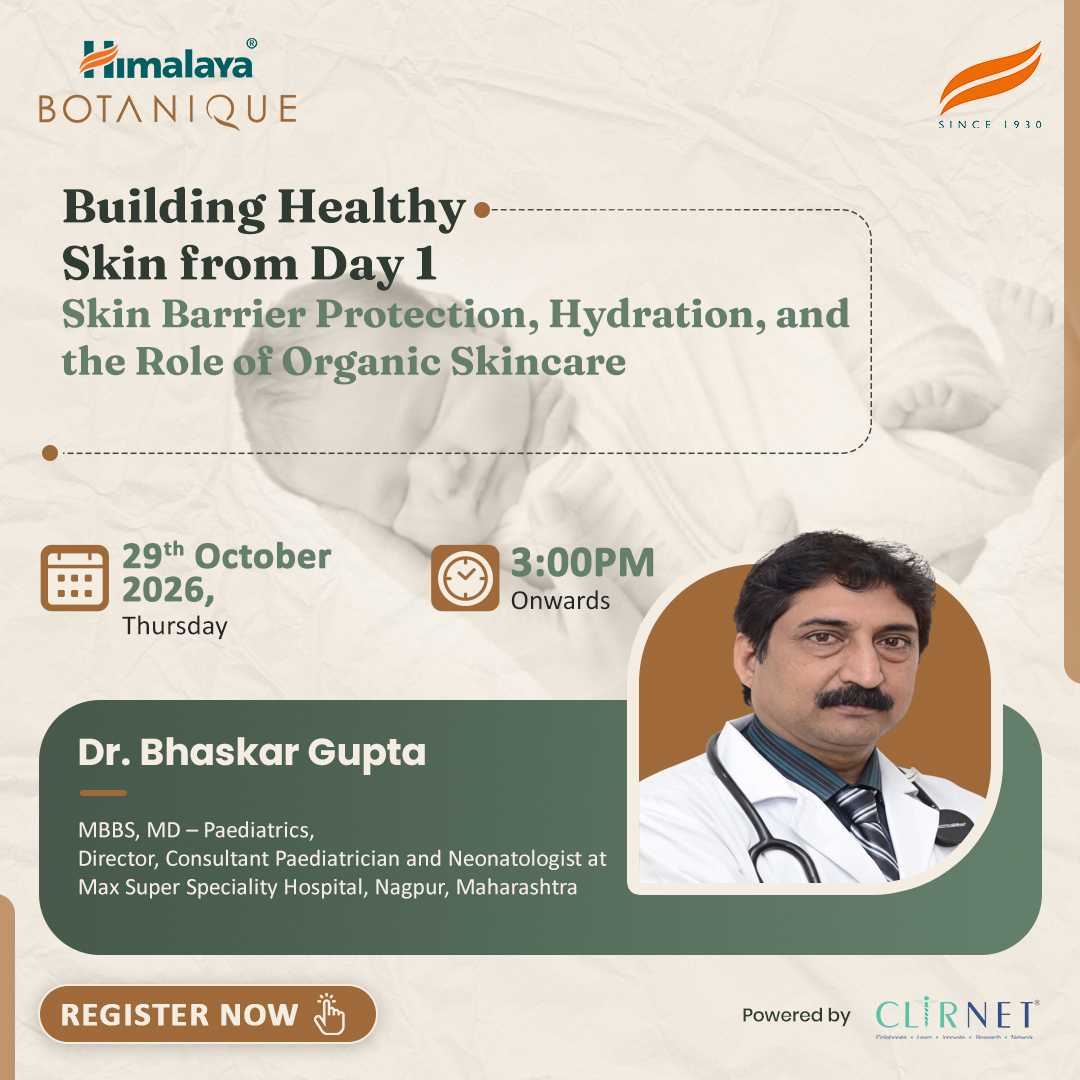
Building Healthy Skin from Day 1:
Skin Barrier Protection, Hydration, and the Role of Organic Skincare
Video
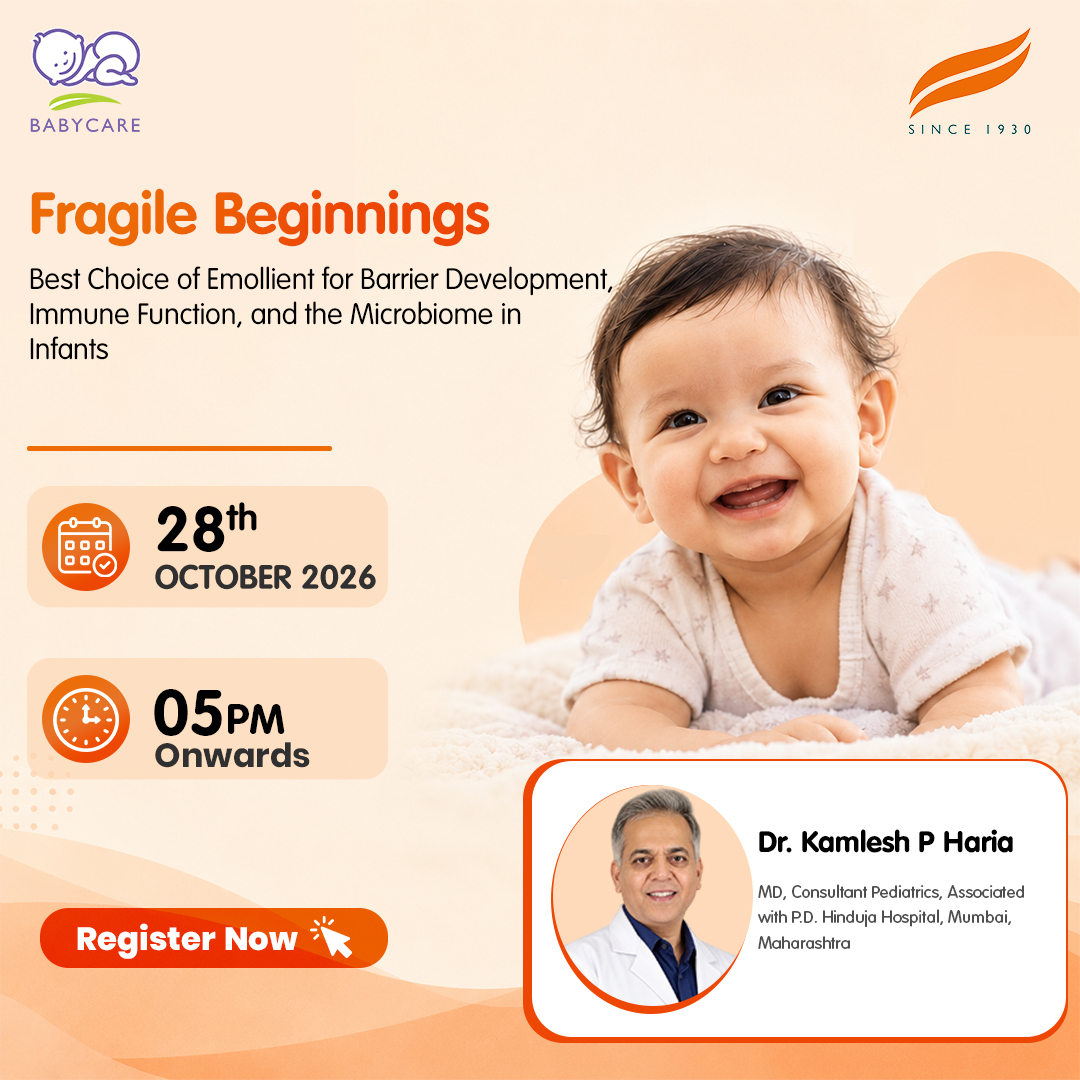
Fragile Beginnings:
Best Choice of Emollient for Barrier Development, Immune Function, and the Microbiome in Infants
Video
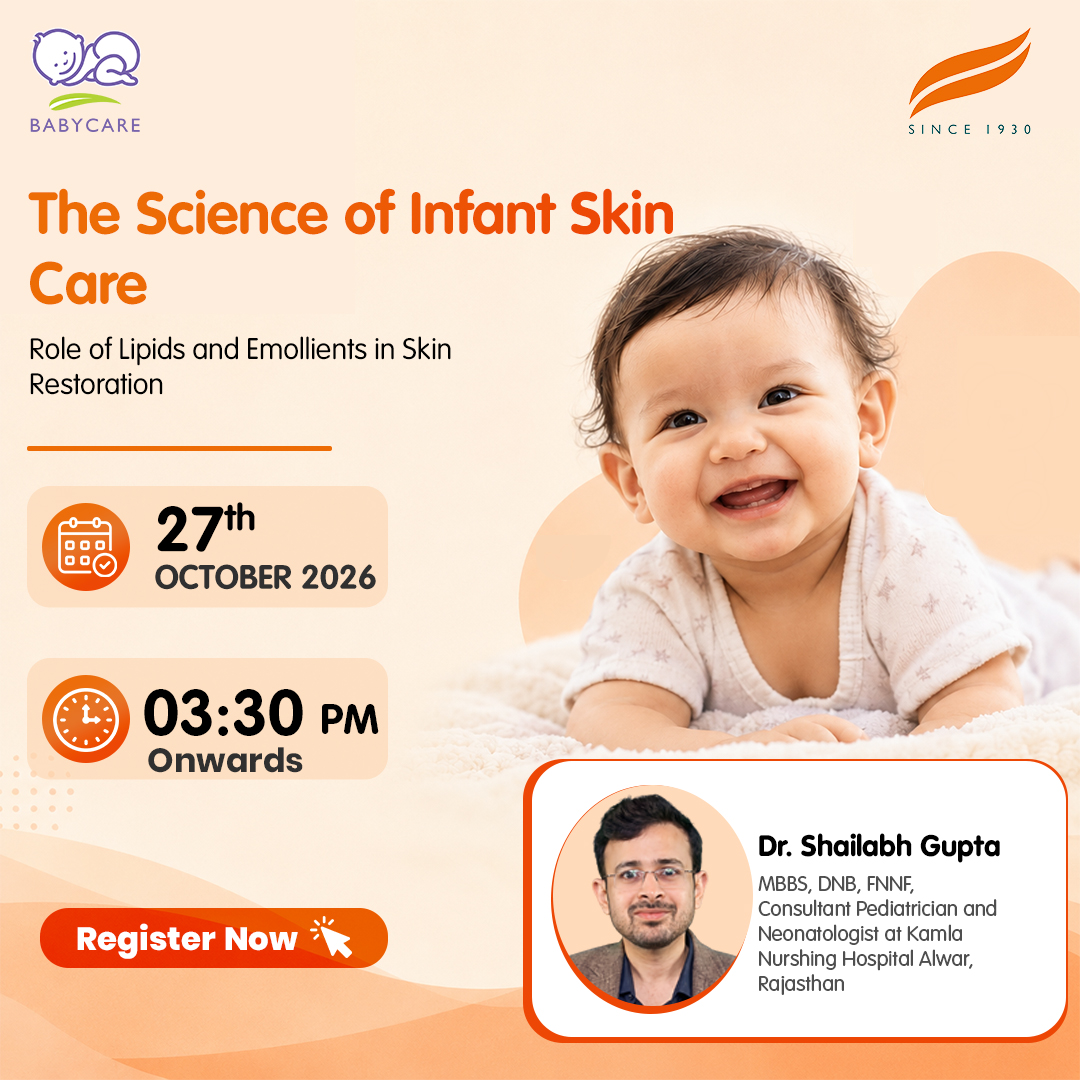
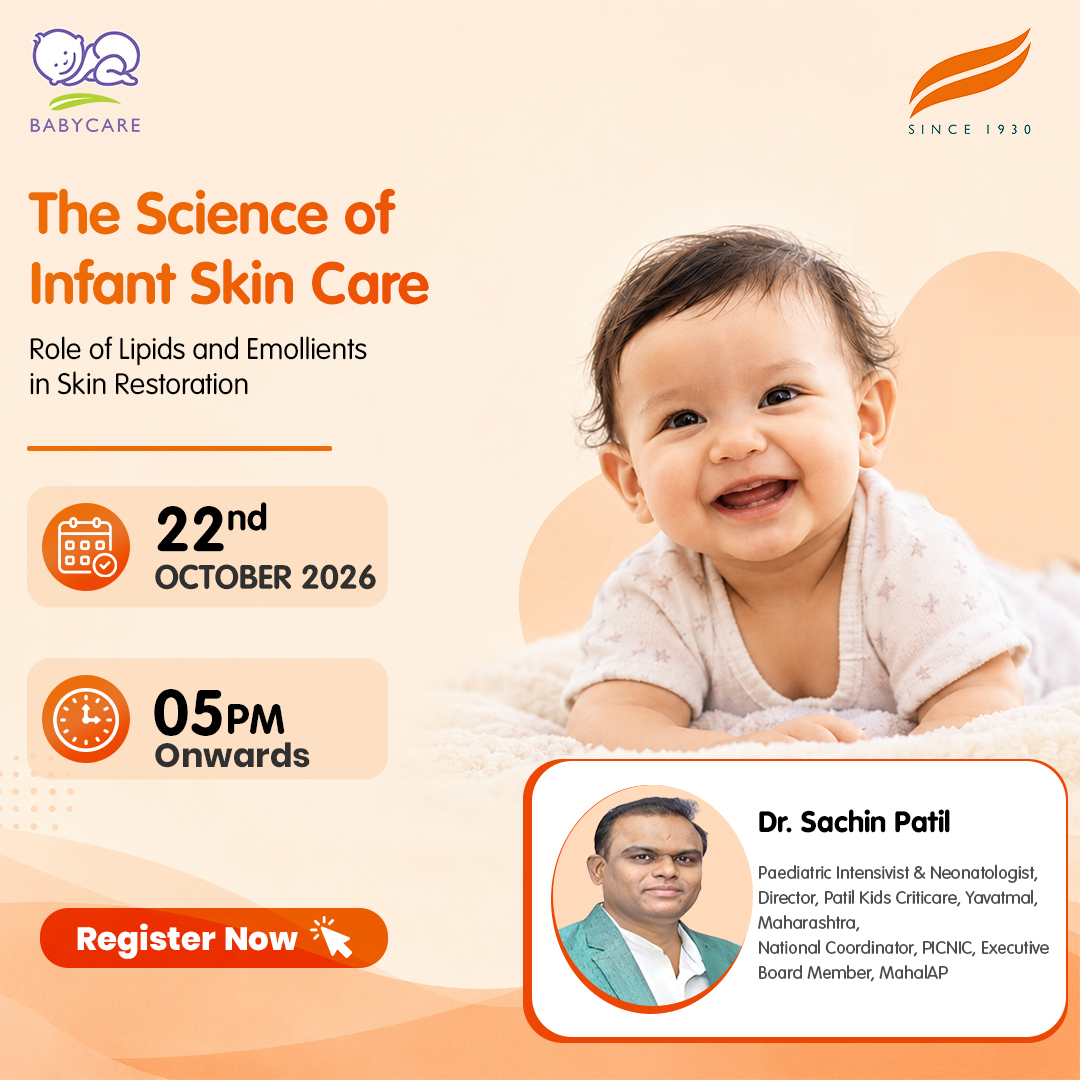
The Science of Infant Skin Care:
Role of Lipids and Emollients in Skin Restoration
Video
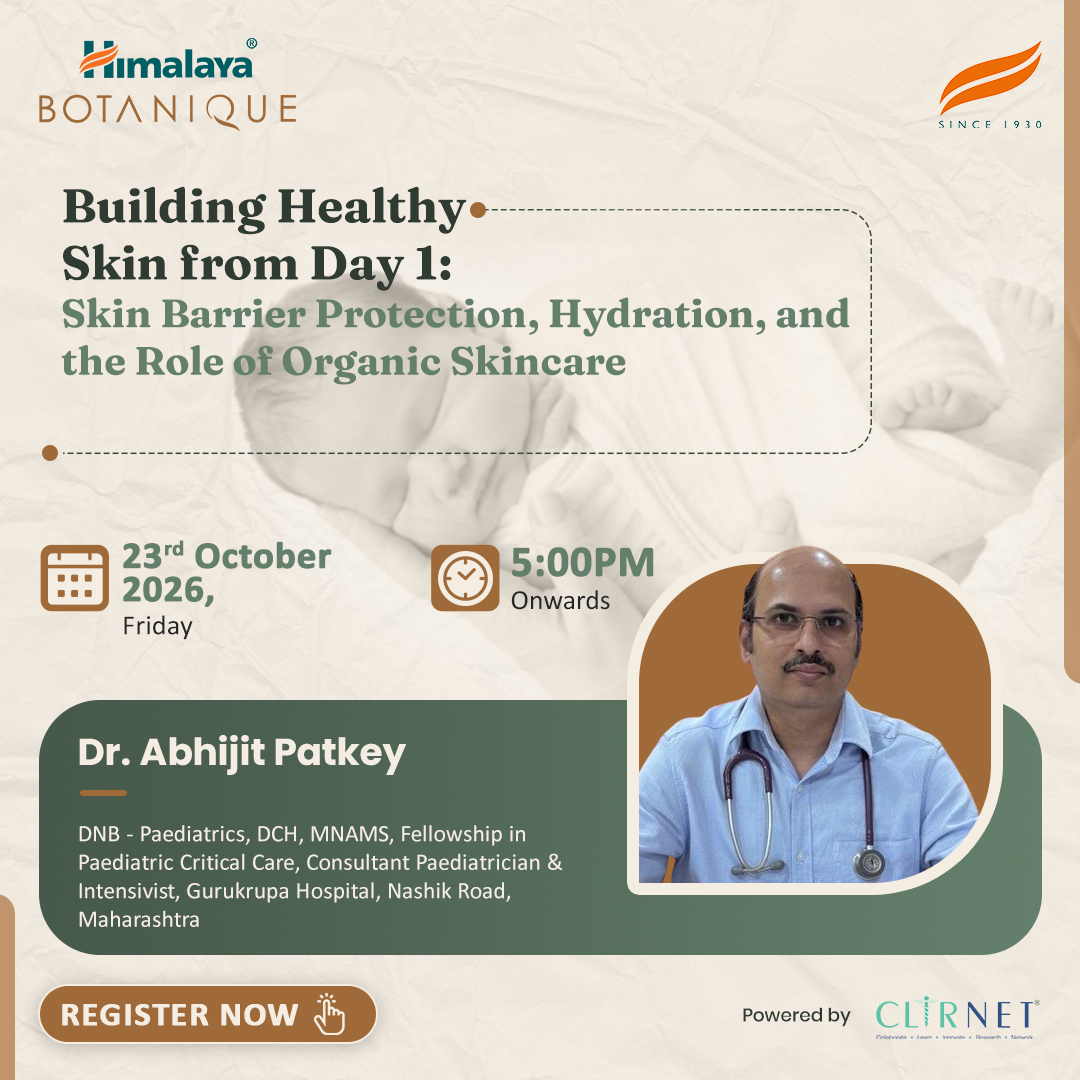
Building Healthy Skin from Day 1:
Skin Barrier Protection, Hydration, and the Role of Organic Skincare
Video
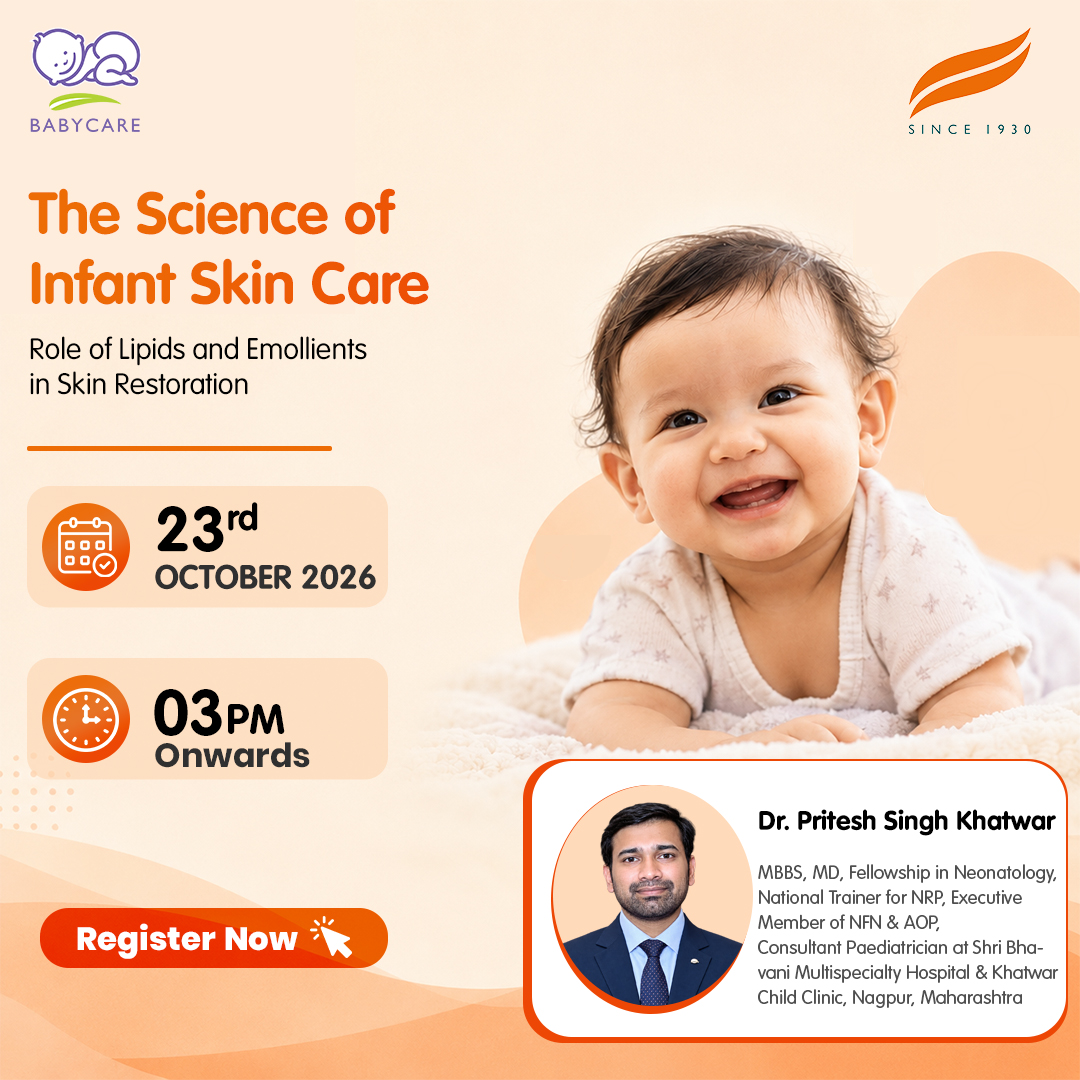
The Science of Infant Skin Care
Role of Lipids and Emollients in Skin Restoration
Video
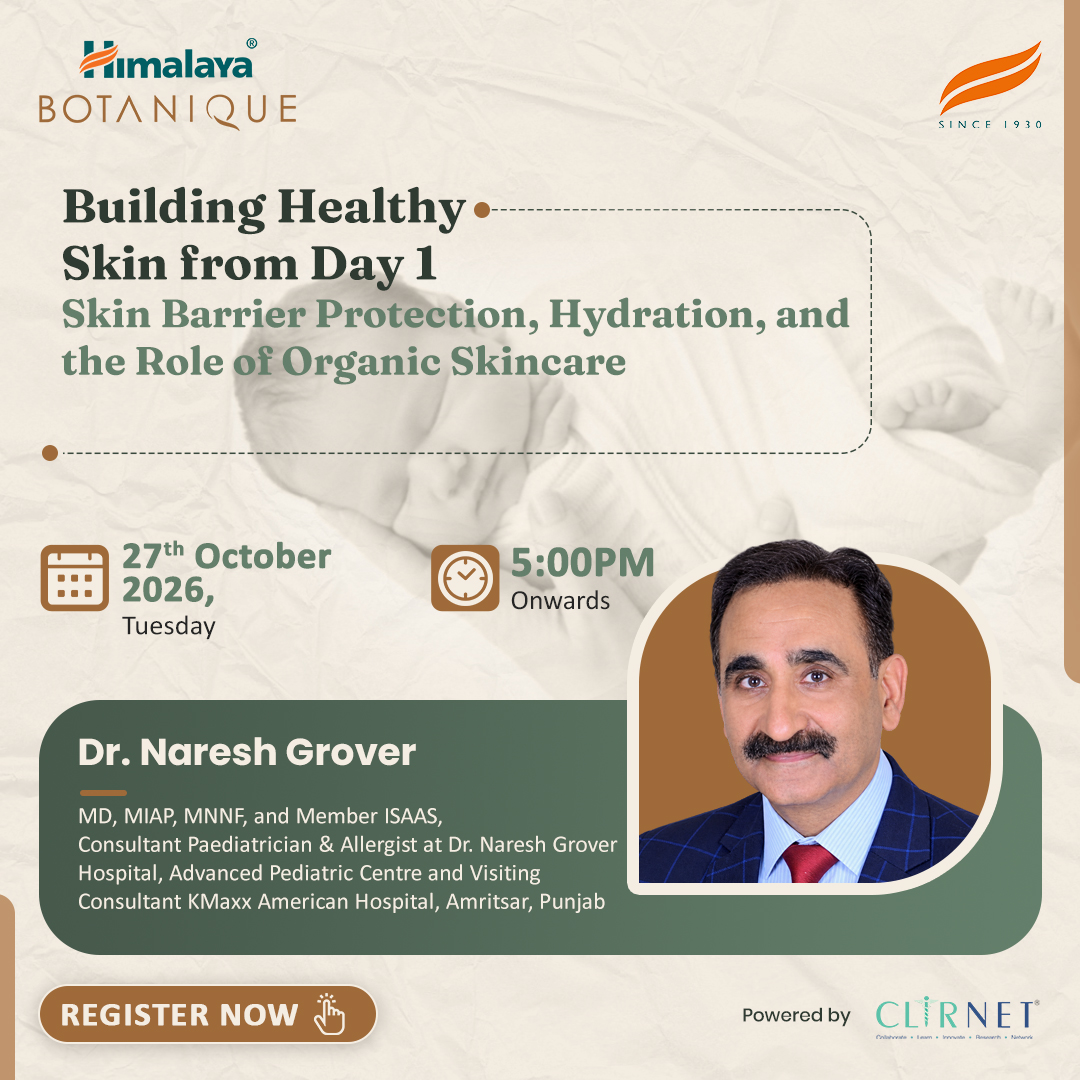
Building Healthy Skin from Day 1
Skin Barrier Protection, Hydration, and the Role of Organic Skincare
Video
The Science of Infant Skin Care
Role of Lipids and Emollients in Skin Restoration