Intercepting the Atopic March: Can Early Management Change the Trajectory?
The atopic march refers to the progressive development of atopic disorders, beginning with atopic dermatitis in infancy, followed by food allergies, allergic rhinitis, and asthma. Early immune dysregulation and skin barrier dysfunction are key drivers. Intercepting this progression through early interventions, such as optimal skin care (emollient therapy), allergen avoidance, and early introduction of certain foods, may alter immune responses and reduce sensitisation. Emerging evidence suggests that timely management of atopic dermatitis and targeted immunomodulatory therapies may delay or prevent the onset of subsequent atopic conditions. Understanding genetic and environmental factors is critical to developing personalised prevention strategies and altering the disease trajectory.

Dr. Shelly Radhakrishnan
MBBS, MD - Paediatrics, Consultant Paediatrician & Private Practitioner at JS Hospital, Karaikudi, and Dr. Shelly's Child Clinic
Speaker
Related Content
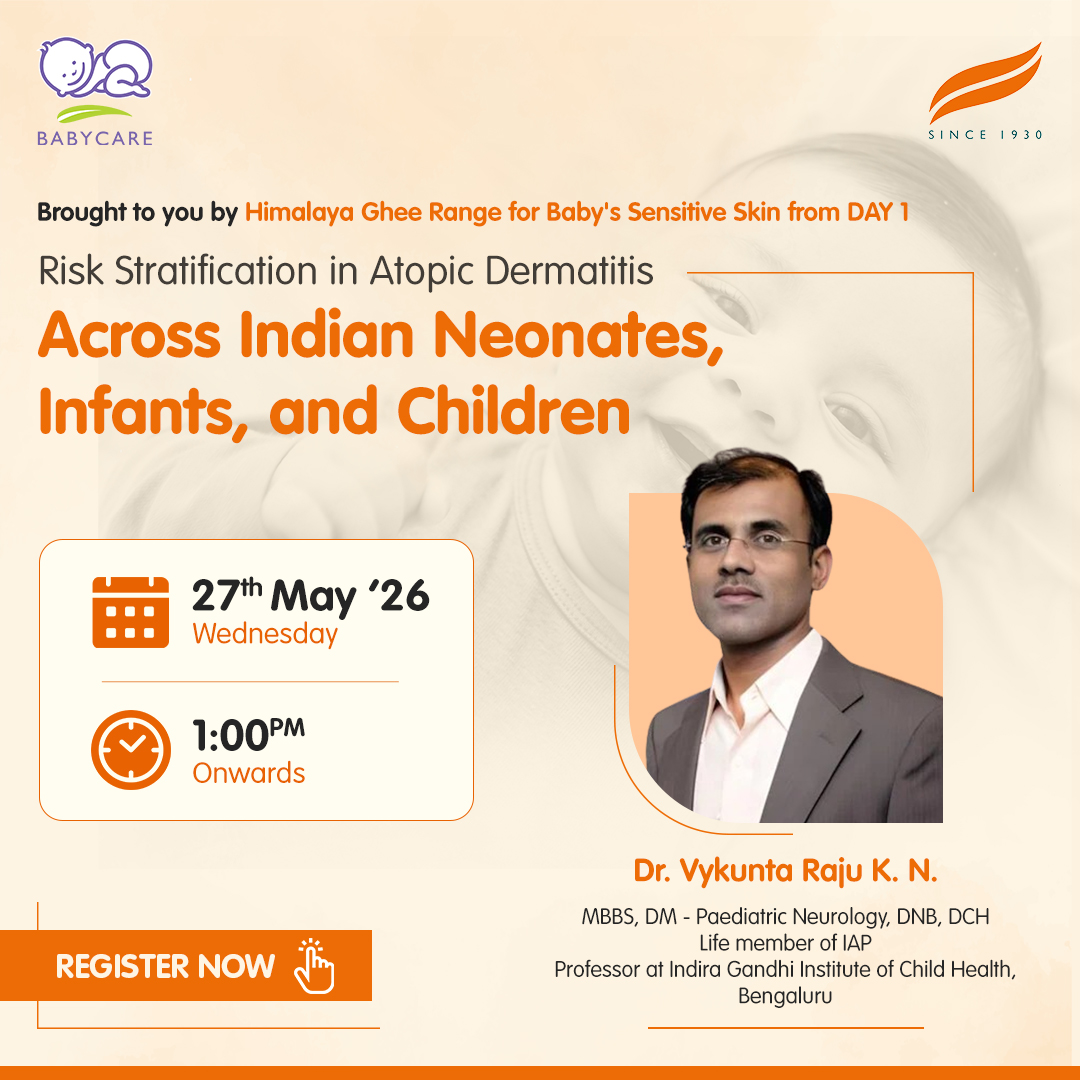
Video
Risk Stratification in Atopic Dermatitis
Across Indian Neonates, Infants, and Children
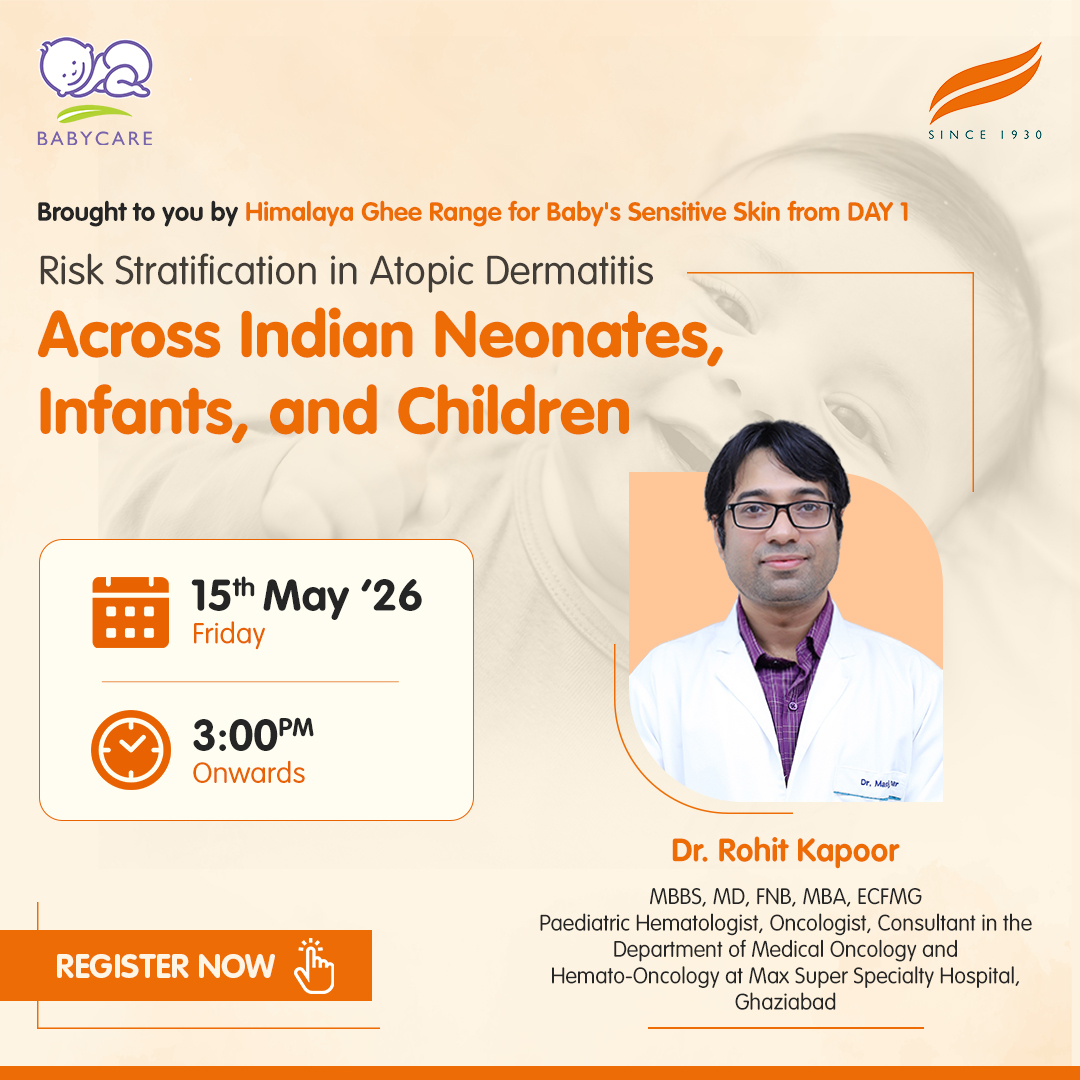
Video
Risk Stratification in Atopic Dermatitis
Across Indian Neonates, Infants, and Children
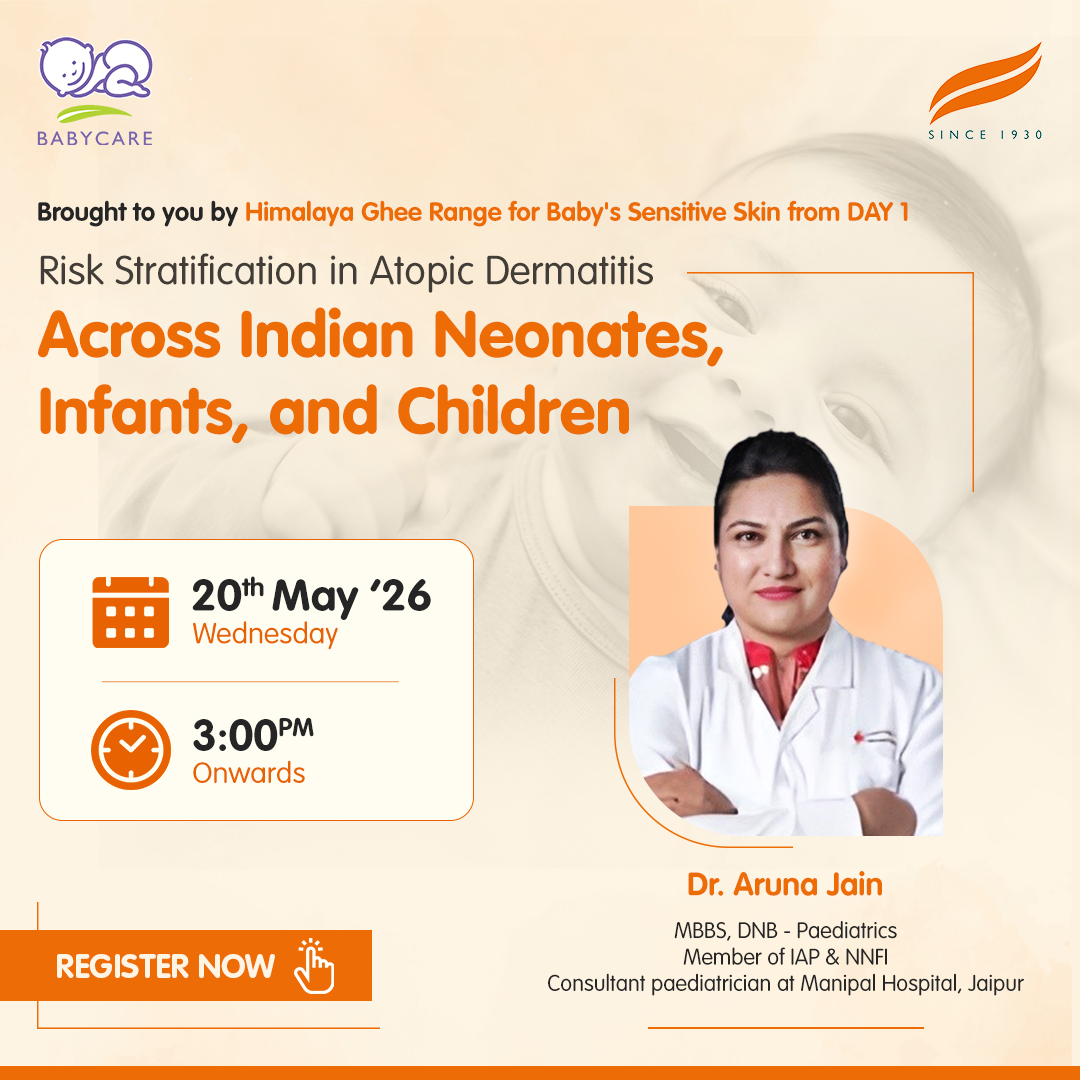
Video
Risk Stratification in Atopic Dermatitis
Across Indian Neonates, Infants, and Children
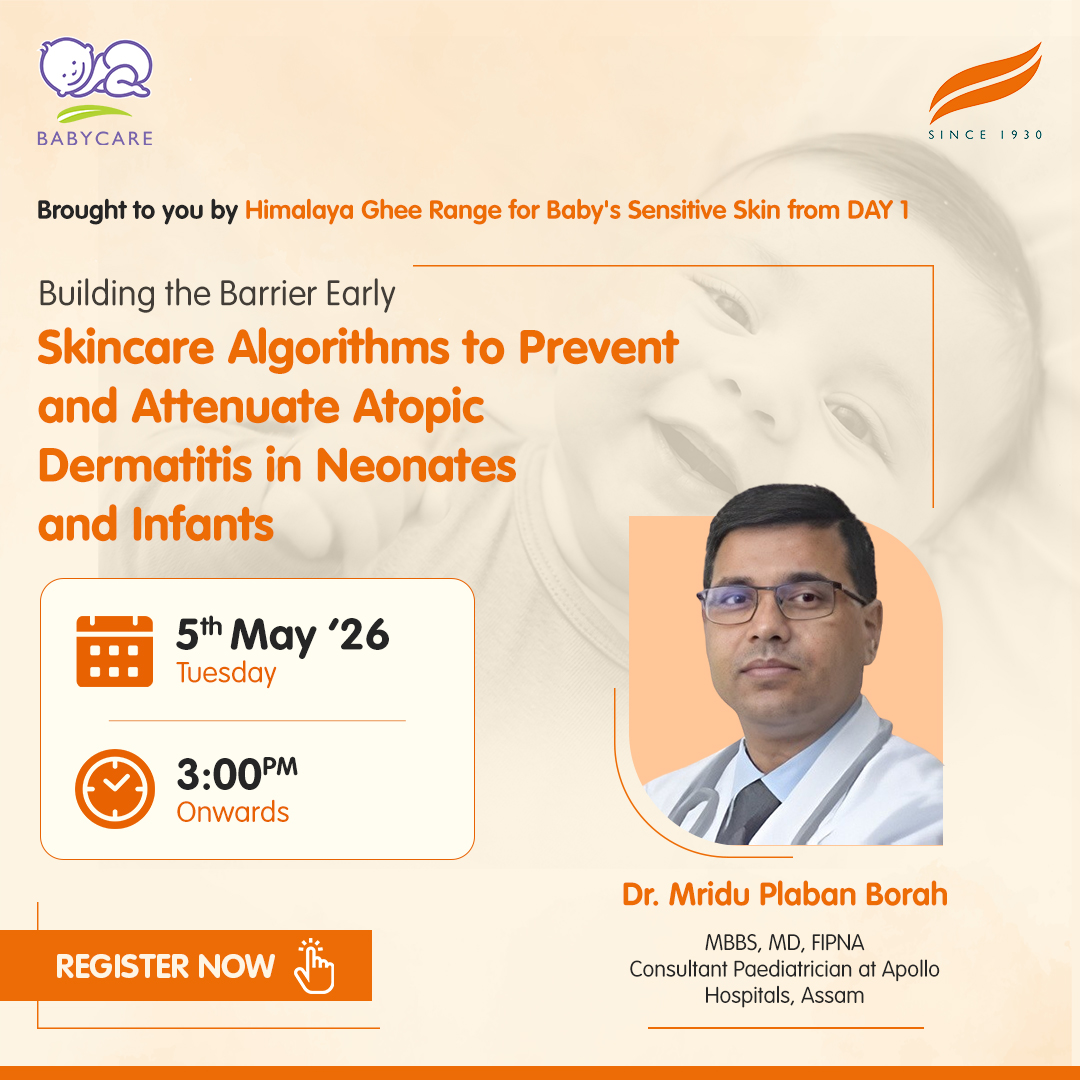
Video
Building the Barrier Early
Skincare Algorithms to Prevent and Attenuate Atopic Dermatitis in Neonates and Infants
Video
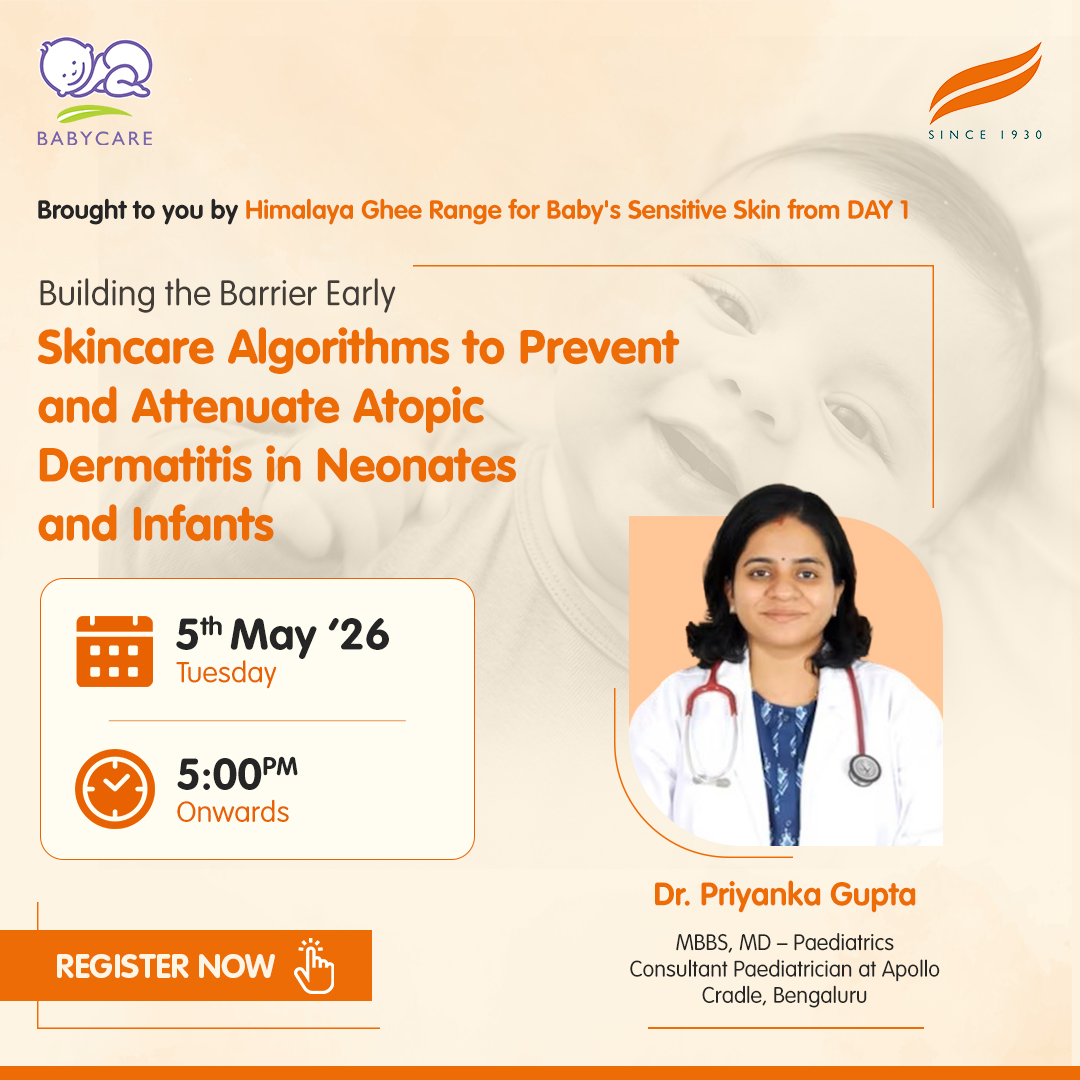
Building the Barrier Early
Skincare Algorithms to Prevent and Attenuate Atopic Dermatitis in Neonates and Infants
Video
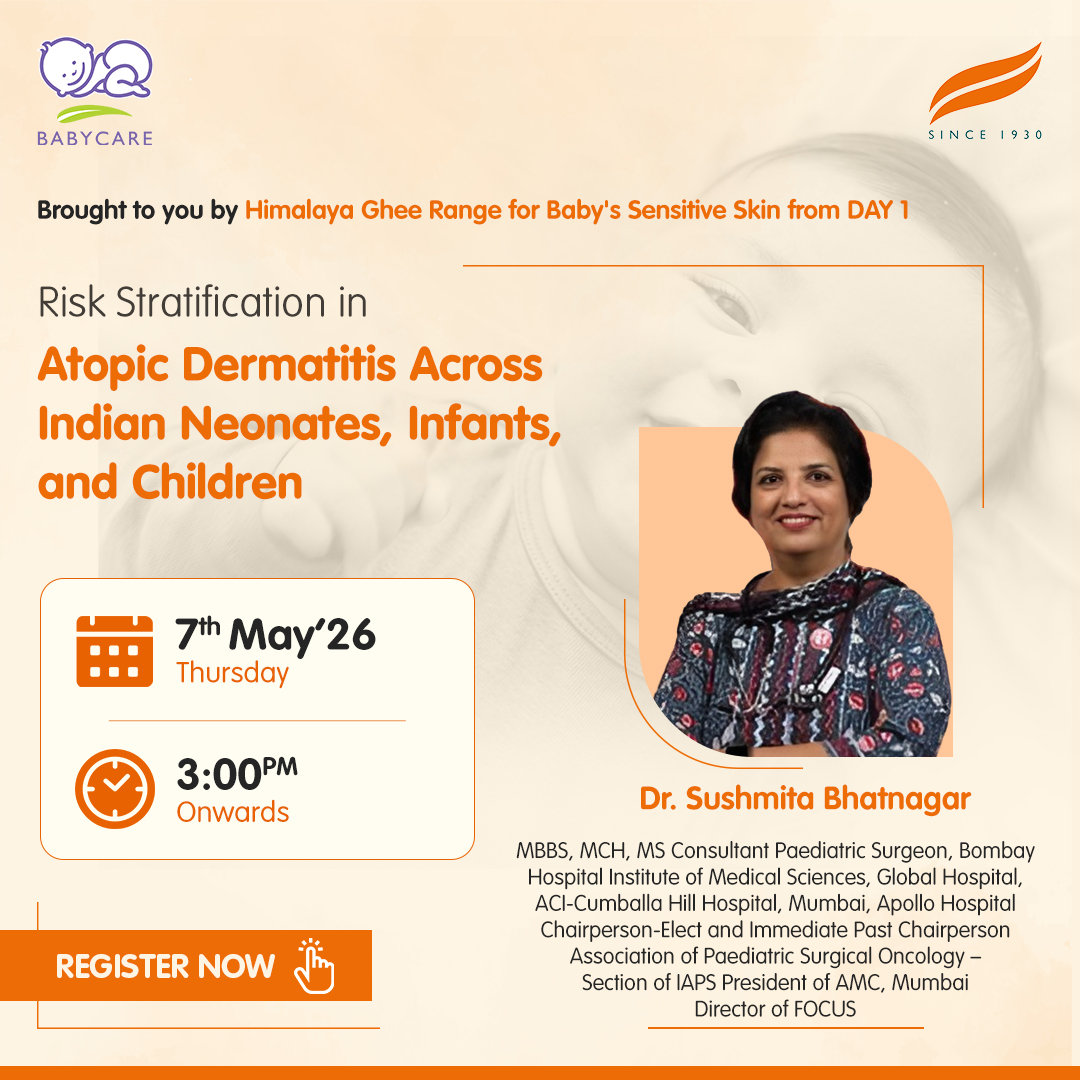
Risk Stratification in Atopic Dermatitis
Across Indian Neonates, Infants, and Children
Video
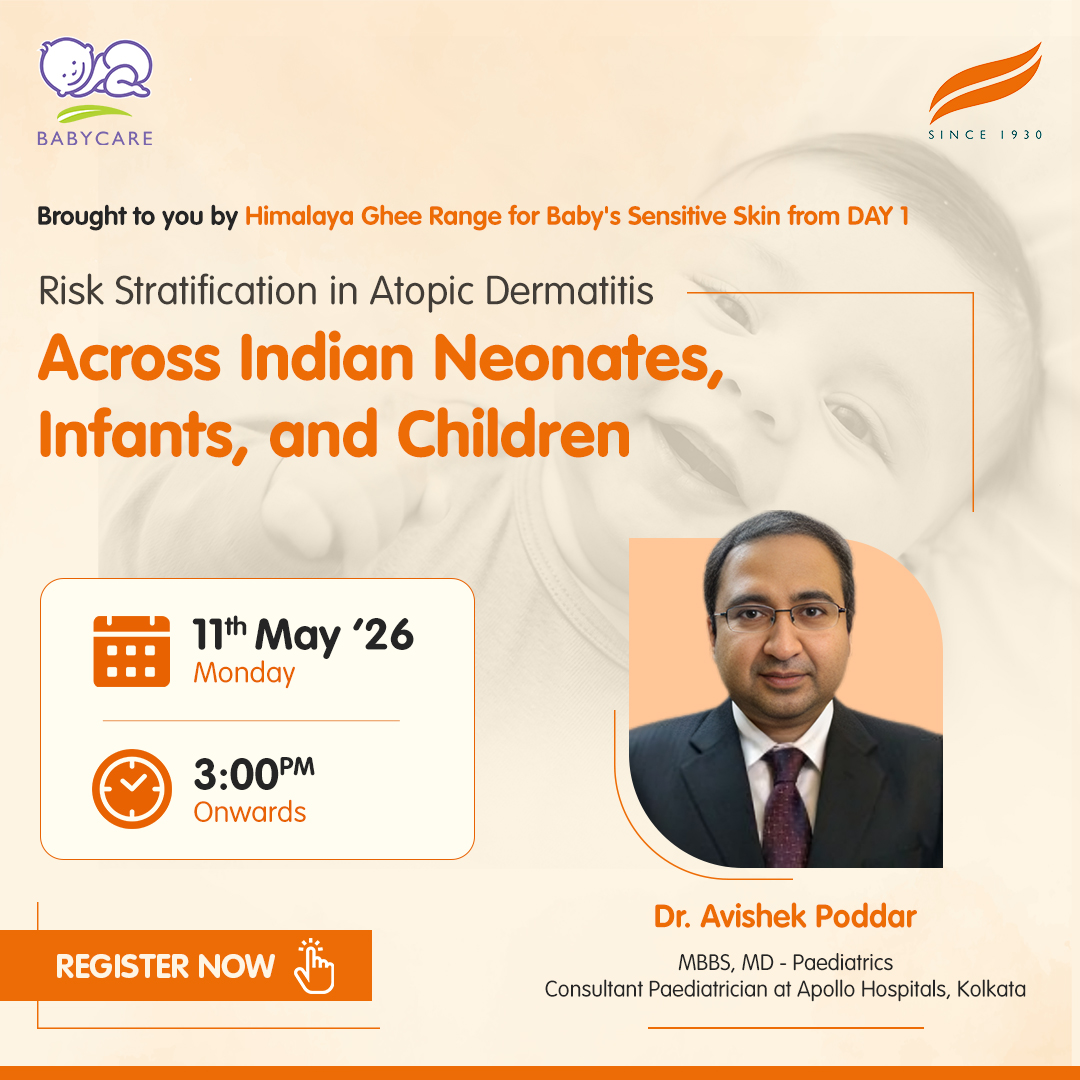
Risk Stratification in Atopic Dermatitis
Across Indian Neonates, Infants, and Children
Video
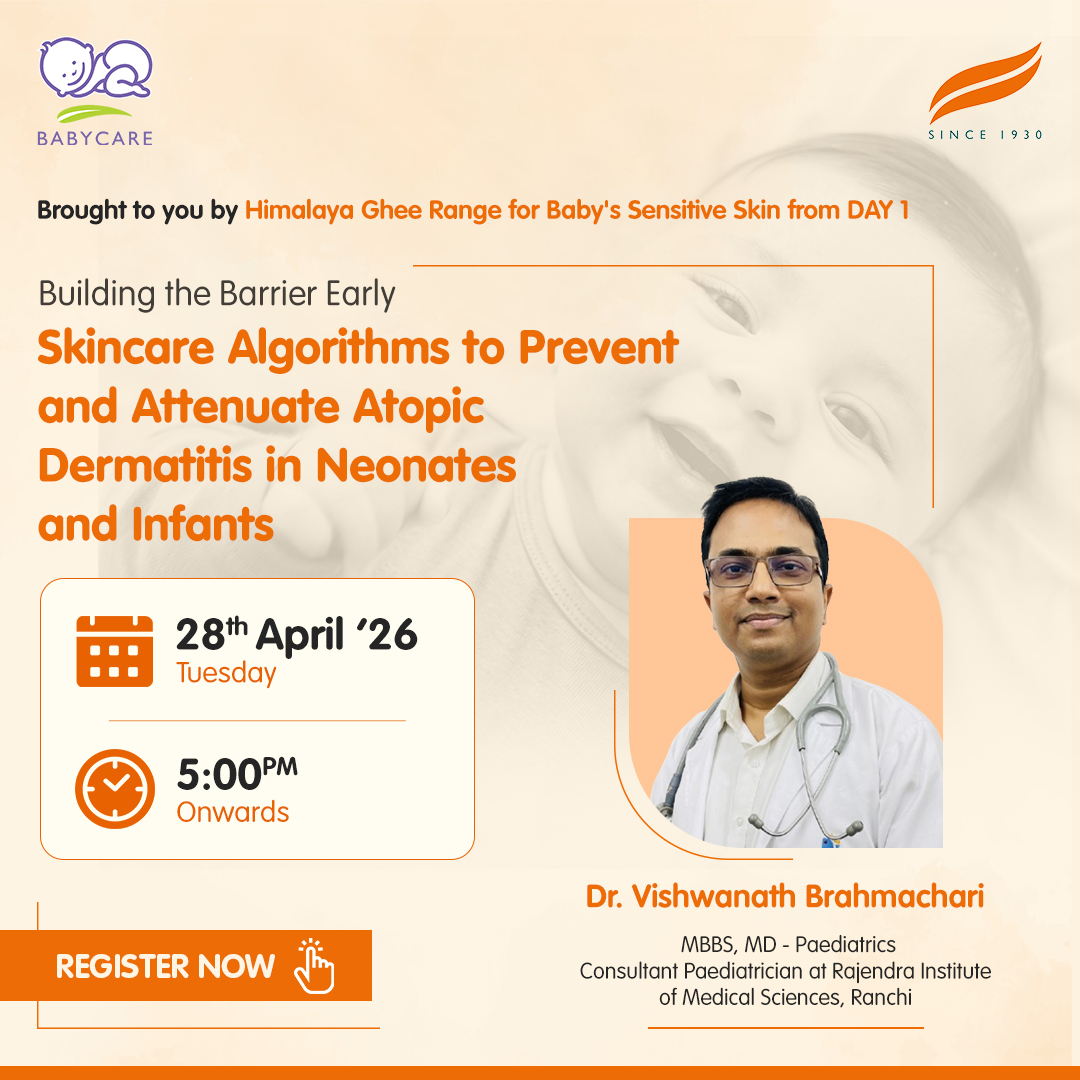
Building the Barrier Early
Skincare Algorithms to Prevent and Attenuate Atopic Dermatitis in Neonates and Infants