Intercepting the Atopic March: Can Early Management Change the Trajectory?
The atopic march refers to the progressive development of atopic disorders, beginning with atopic dermatitis in infancy, followed by food allergies, allergic rhinitis, and asthma. Early immune dysregulation and skin barrier dysfunction are key drivers. Intercepting this progression through early interventions, such as optimal skin care (emollient therapy), allergen avoidance, and early introduction of certain foods, may alter immune responses and reduce sensitisation. Emerging evidence suggests that timely management of atopic dermatitis and targeted immunomodulatory therapies may delay or prevent the onset of subsequent atopic conditions. Understanding genetic and environmental factors is critical to developing personalised prevention strategies and altering the disease trajectory.

Dr. Rashna Dass Hazarika
MBBS, MD - Paediatrics, Associated with the Sydney Child Health Program, Senior Consultant Pediatrician at Nemcare Superspecialty Hospital, Guwahati
Organizer
Related Content
Video
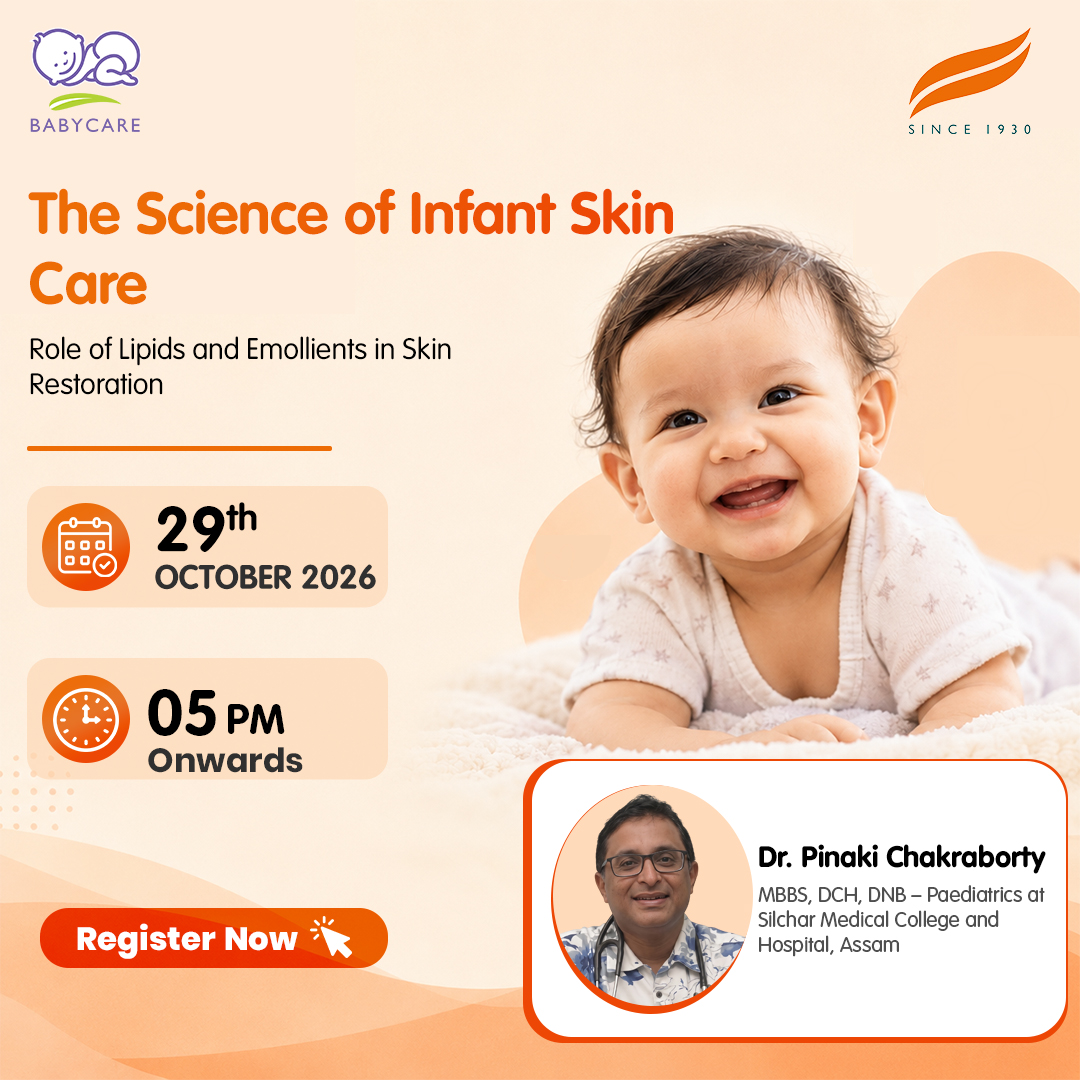
The Science of Infant Skin Care:
Role of Lipids and Emollients in Skin Restoration
Video
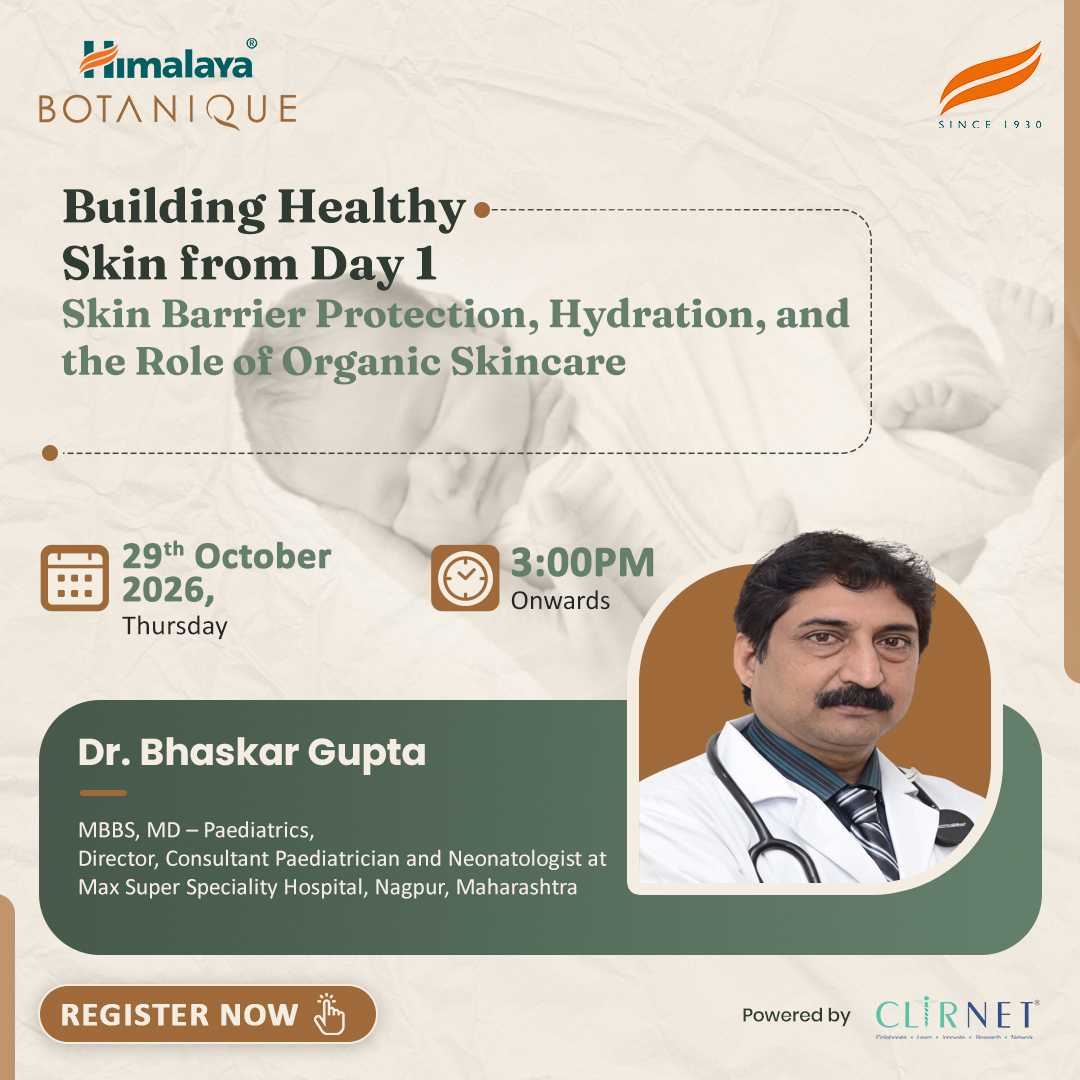
Building Healthy Skin from Day 1:
Skin Barrier Protection, Hydration, and the Role of Organic Skincare

Video
Fragile Beginnings:
Best Choice of Emollient for Barrier Development, Immune Function, and the Microbiome in Infants
Video
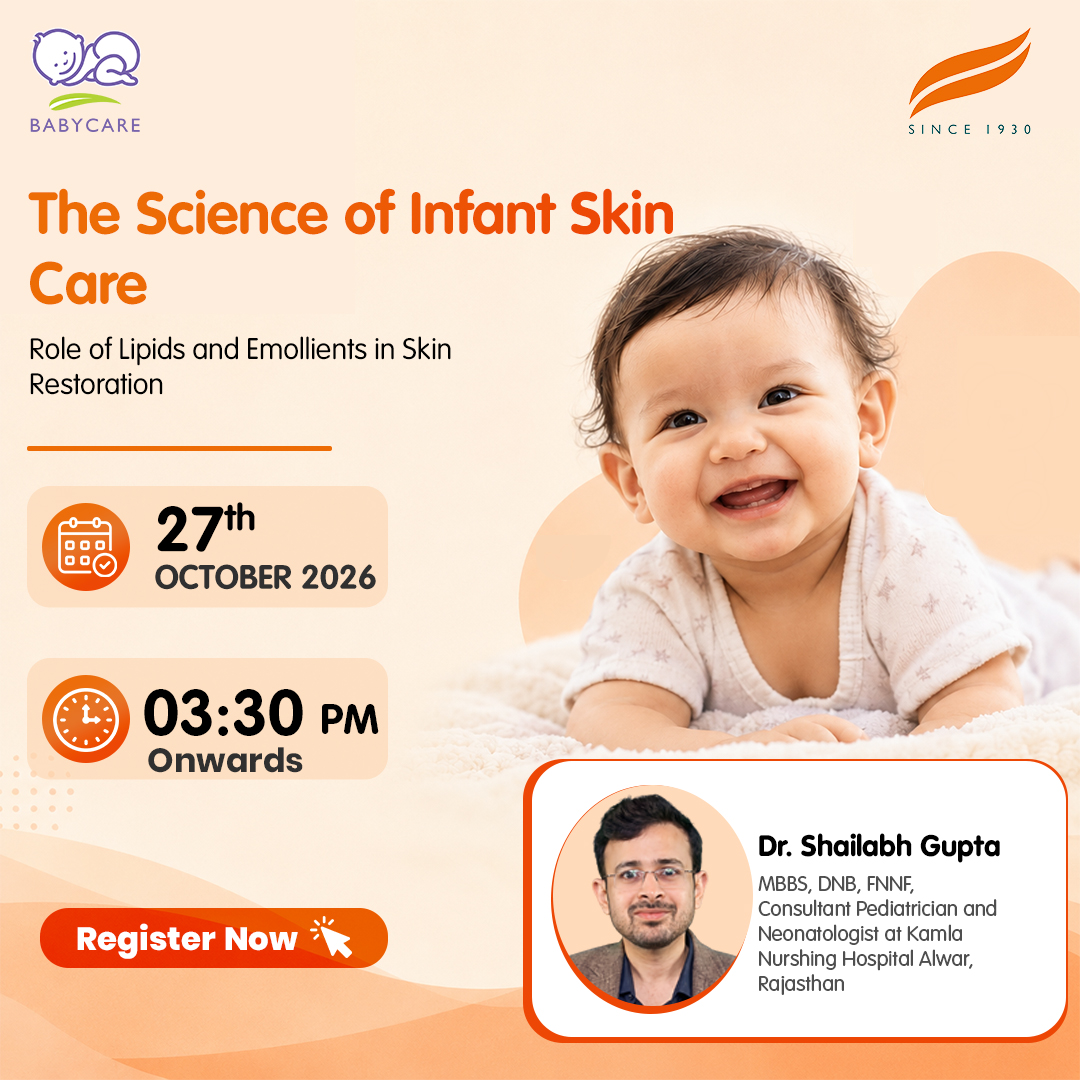
The Science of Infant Skin Care:
Role of Lipids and Emollients in Skin Restoration
Video
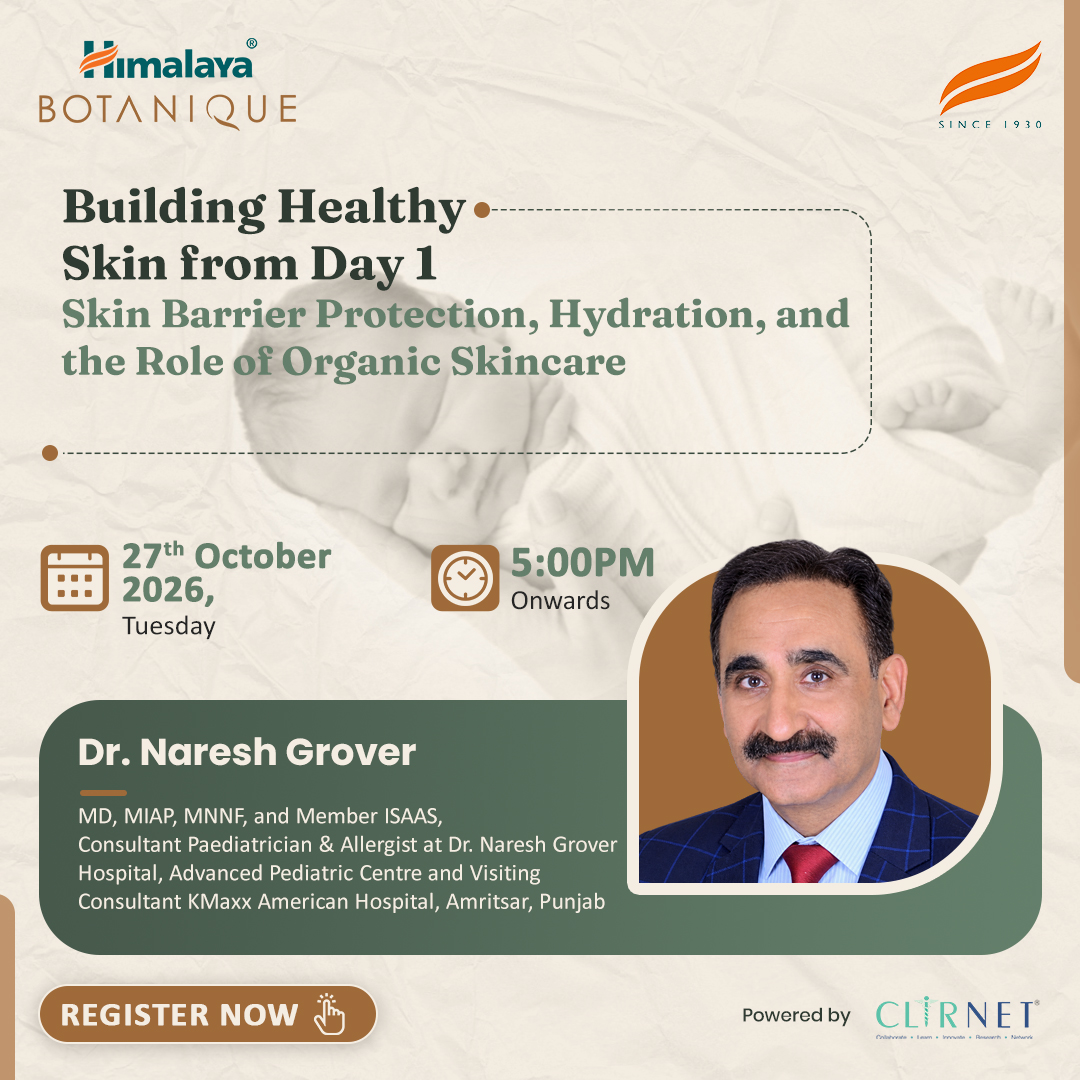
Building Healthy Skin from Day 1:
Skin Barrier Protection, Hydration, and the Role of Organic Skincare
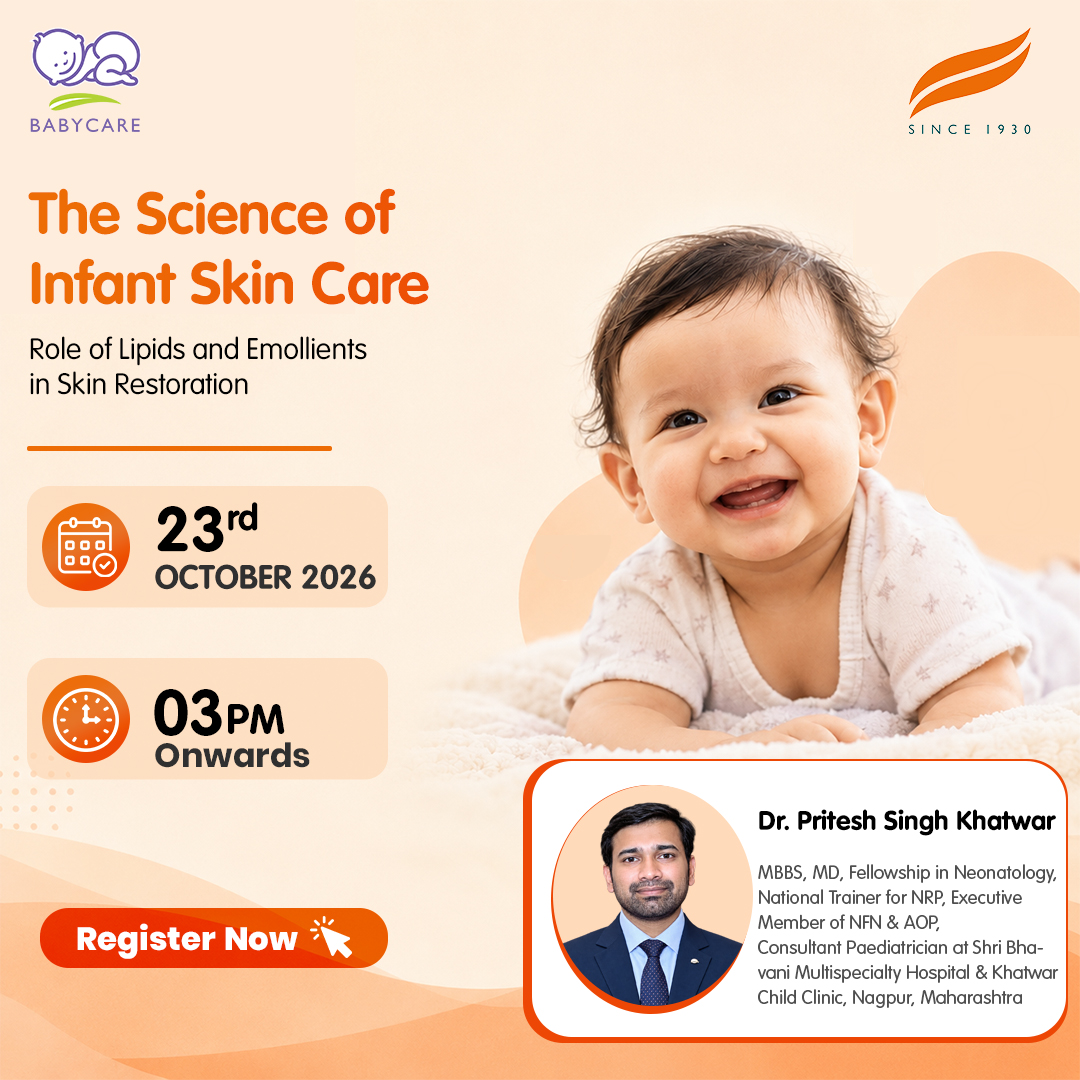
Video
The Science of Infant Skin Care
Role of Lipids and Emollients in Skin Restoration
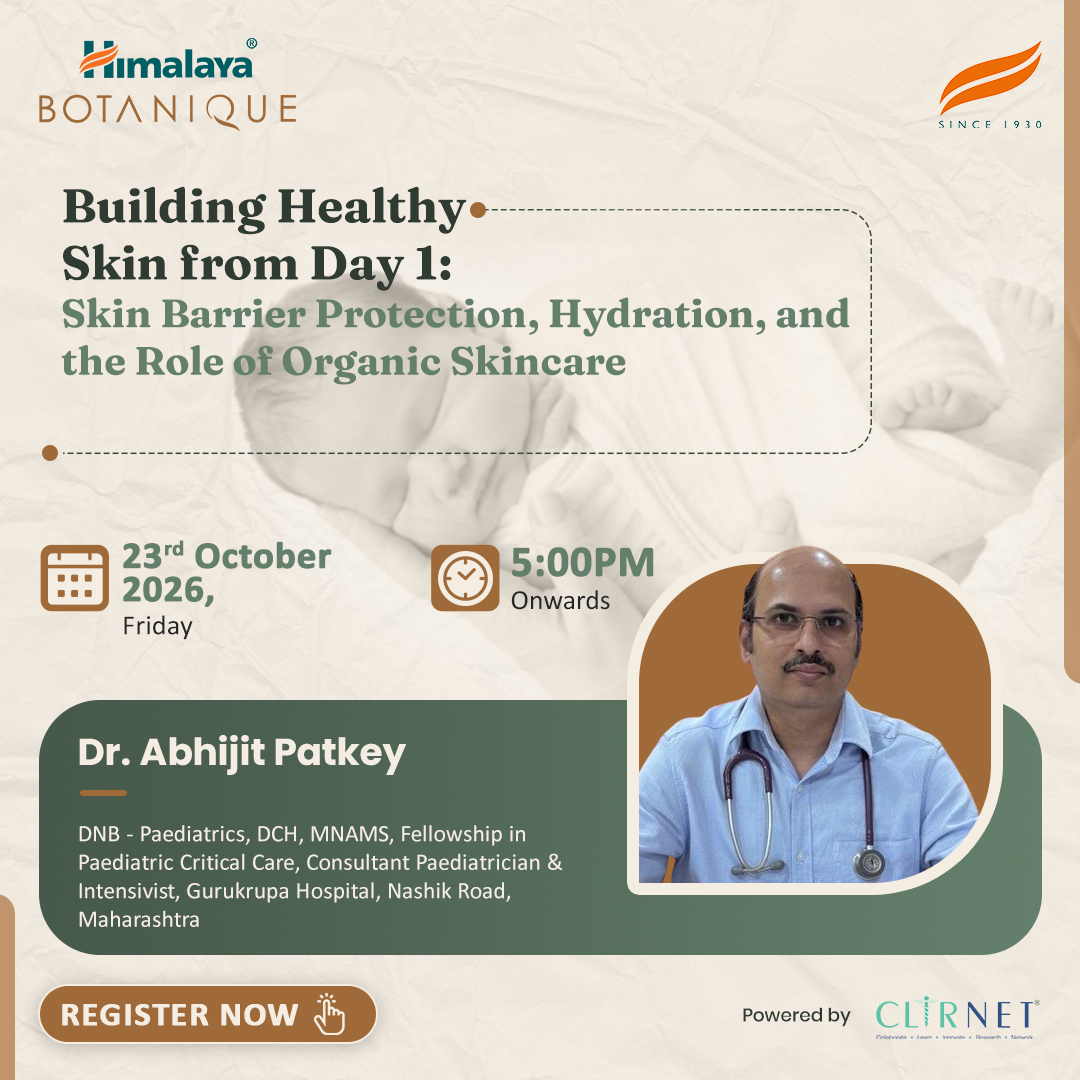
Video
Building Healthy Skin from Day 1
Skin Barrier Protection, Hydration, and the Role of Organic Skincare
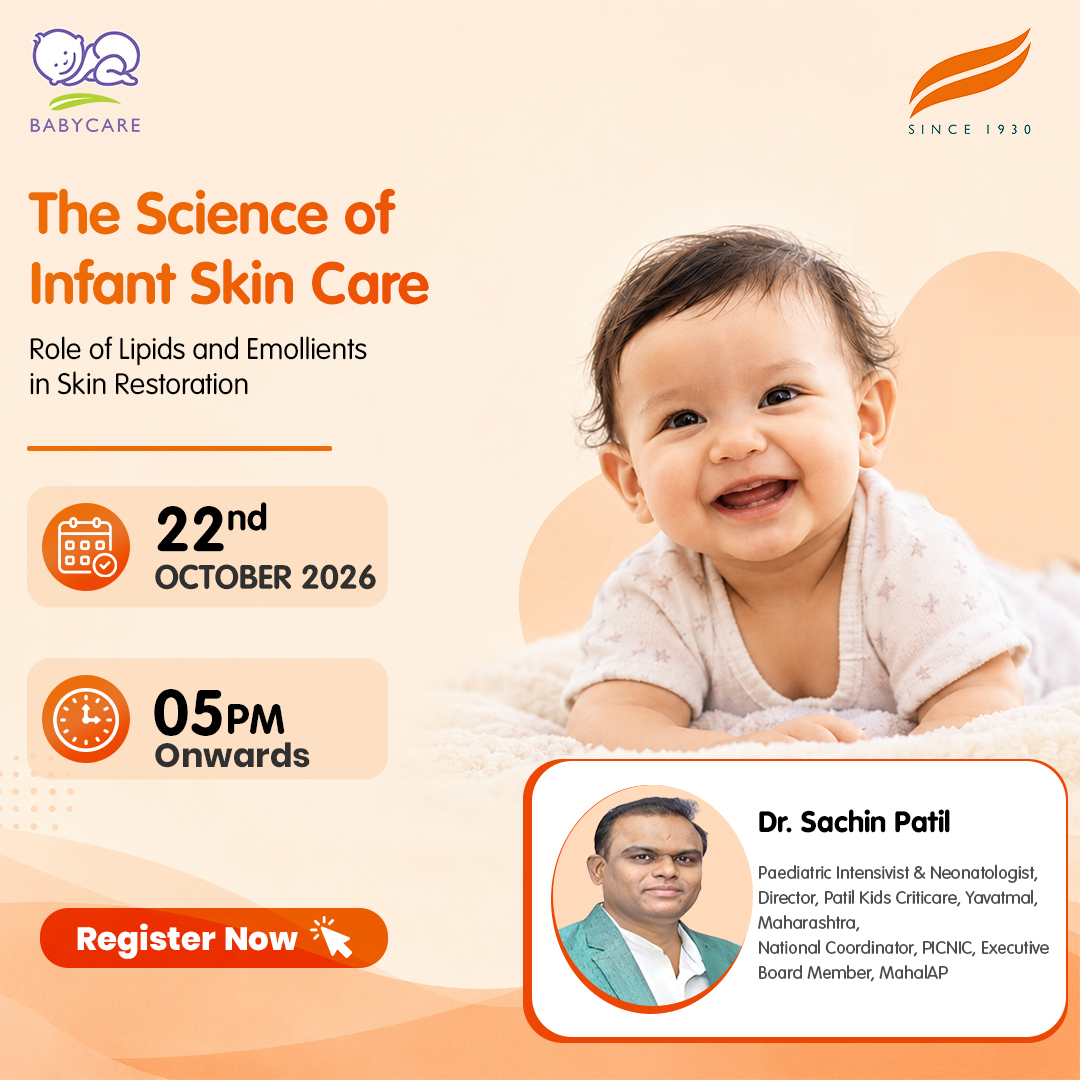
Video
The Science of Infant Skin Care
Role of Lipids and Emollients in Skin Restoration