Antibiotics in Infancy: Unpacking the Link to Atopic and Metabolic Dysregulation
Early-life exposure to antibiotics has been increasingly associated with disruptions in gut microbiota, potentially influencing immune and metabolic development. Epidemiological and experimental studies suggest that antibiotic use in infancy may heighten the risk of atopic conditions such as asthma, eczema, and allergic rhinitis, as well as metabolic disorders including obesity and insulin resistance. The critical window of immune programming during infancy underscores the importance of judicious antibiotic prescribing. Understanding the underlying mechanisms, such as microbial dysbiosis, altered short-chain fatty acid production, and immune modulation, can help inform preventive strategies and promote long-term health outcomes in paediatric populations.

Dr. Vikram Premkumar
MD, DCH, DNB – Paediatrics, PGPN, FACI, Life Member of IAP, NNF, ERS and ICS, Consultant Paediatrician at Kapadia Clinic, Gujrat
Organizer
Related Content
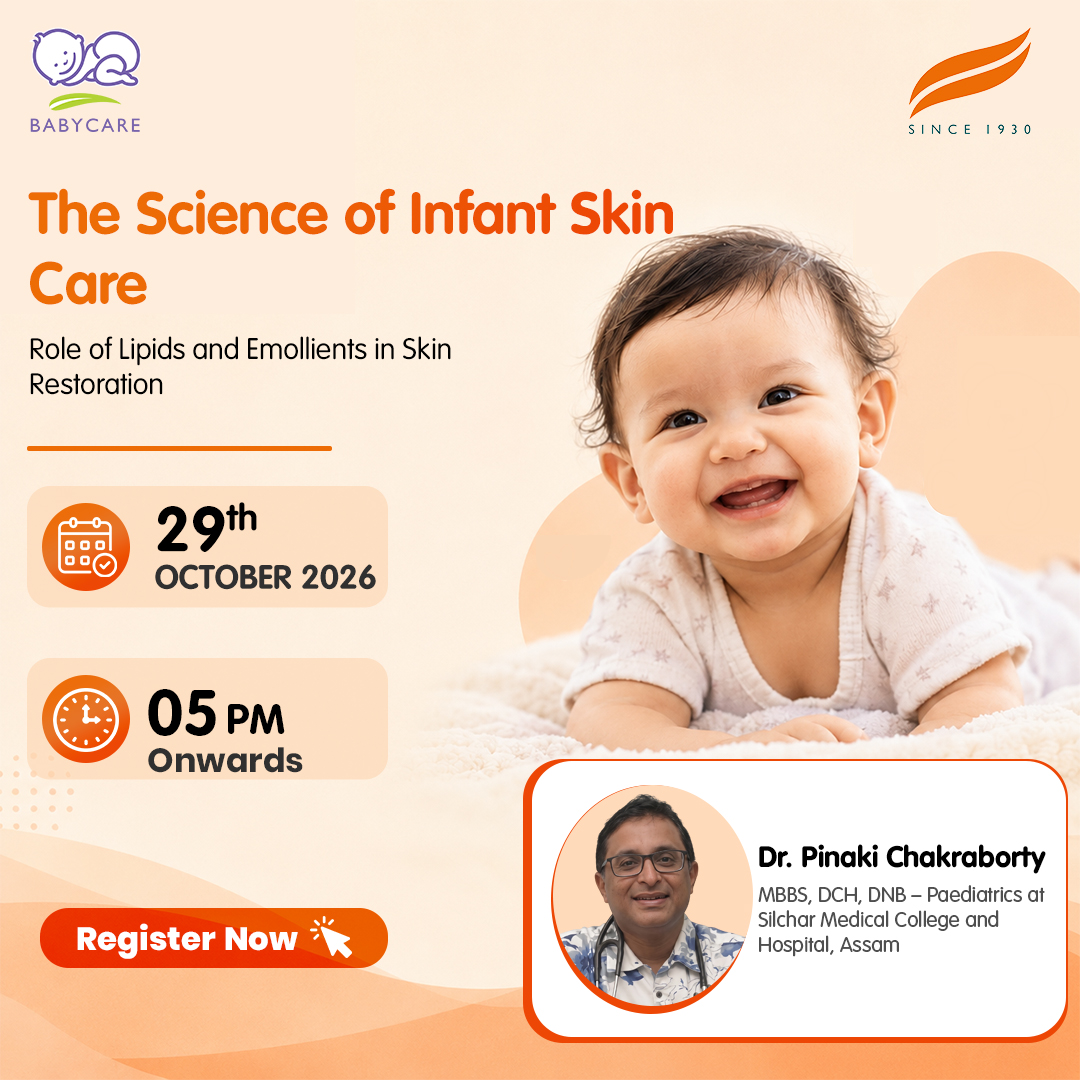
Video
The Science of Infant Skin Care:
Role of Lipids and Emollients in Skin Restoration
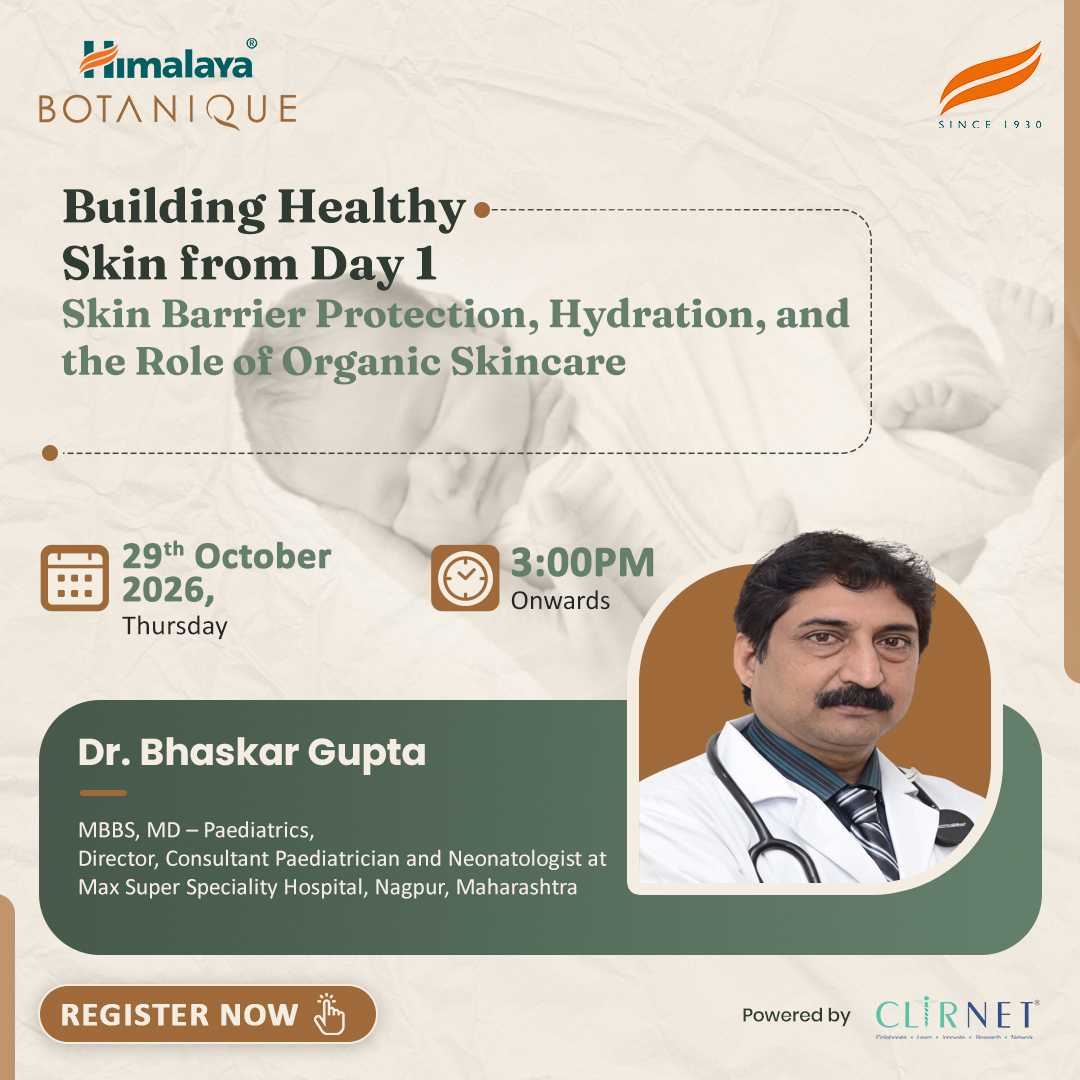
Video
Building Healthy Skin from Day 1:
Skin Barrier Protection, Hydration, and the Role of Organic Skincare

Video
Fragile Beginnings:
Best Choice of Emollient for Barrier Development, Immune Function, and the Microbiome in Infants
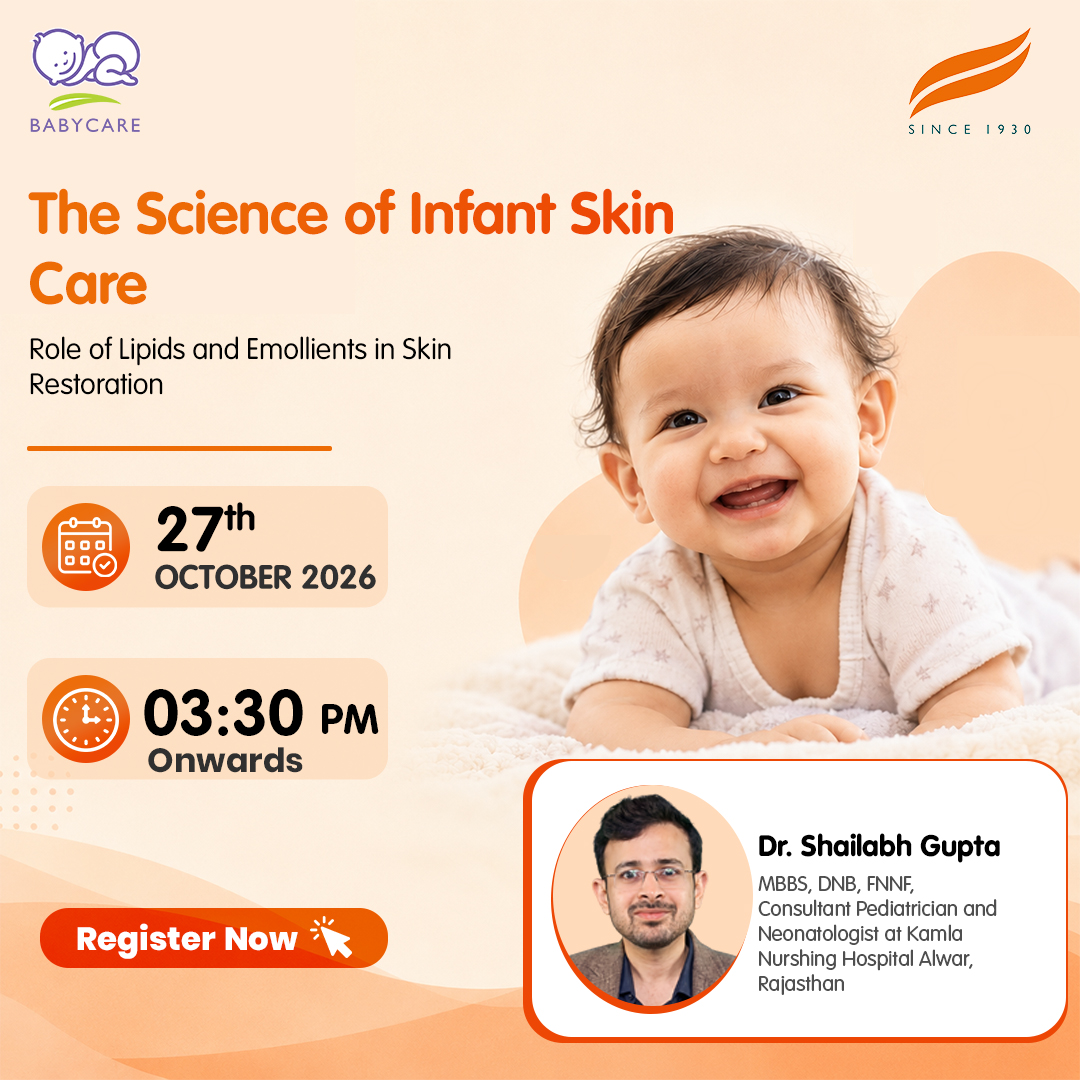
Video
The Science of Infant Skin Care:
Role of Lipids and Emollients in Skin Restoration
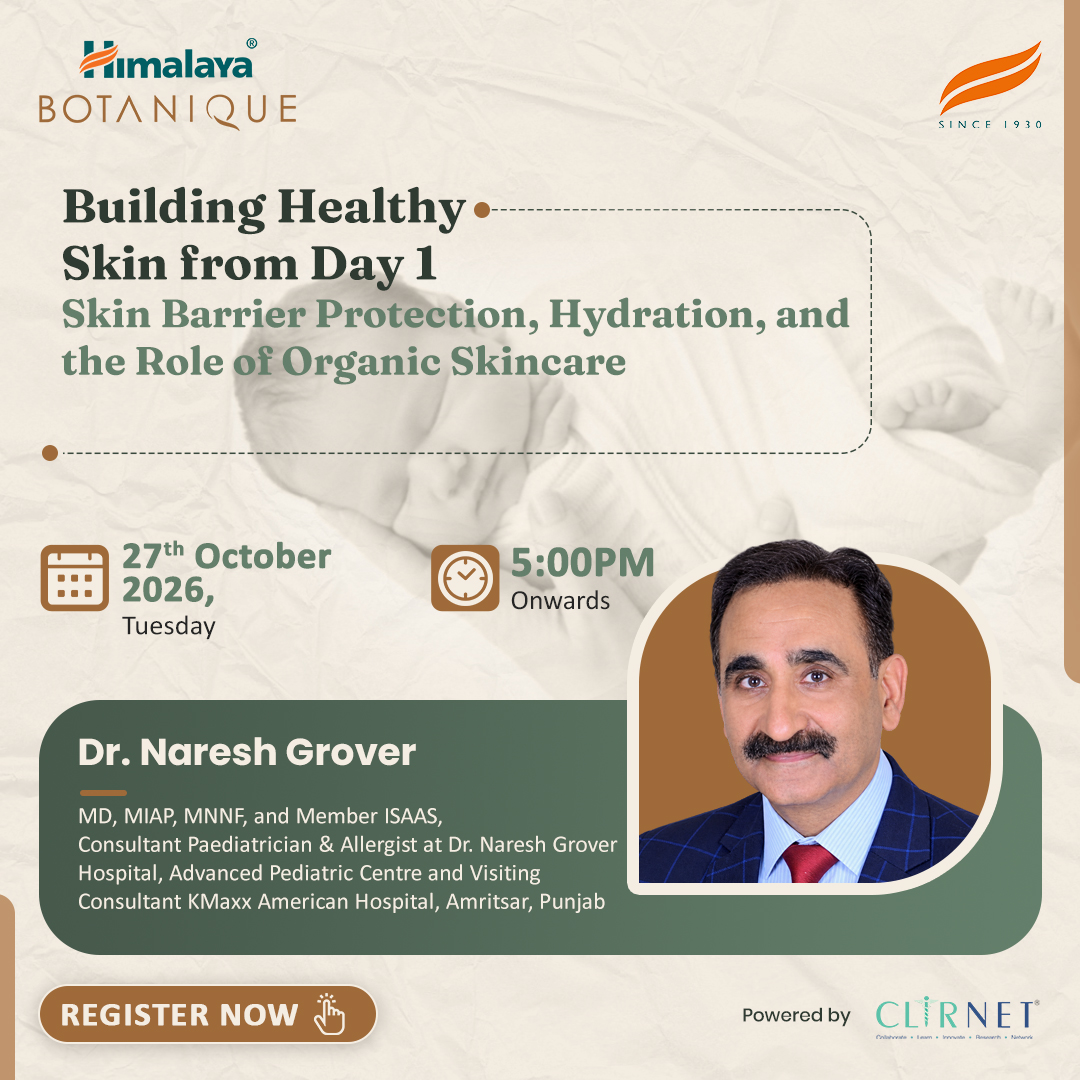
Video
Building Healthy Skin from Day 1:
Skin Barrier Protection, Hydration, and the Role of Organic Skincare
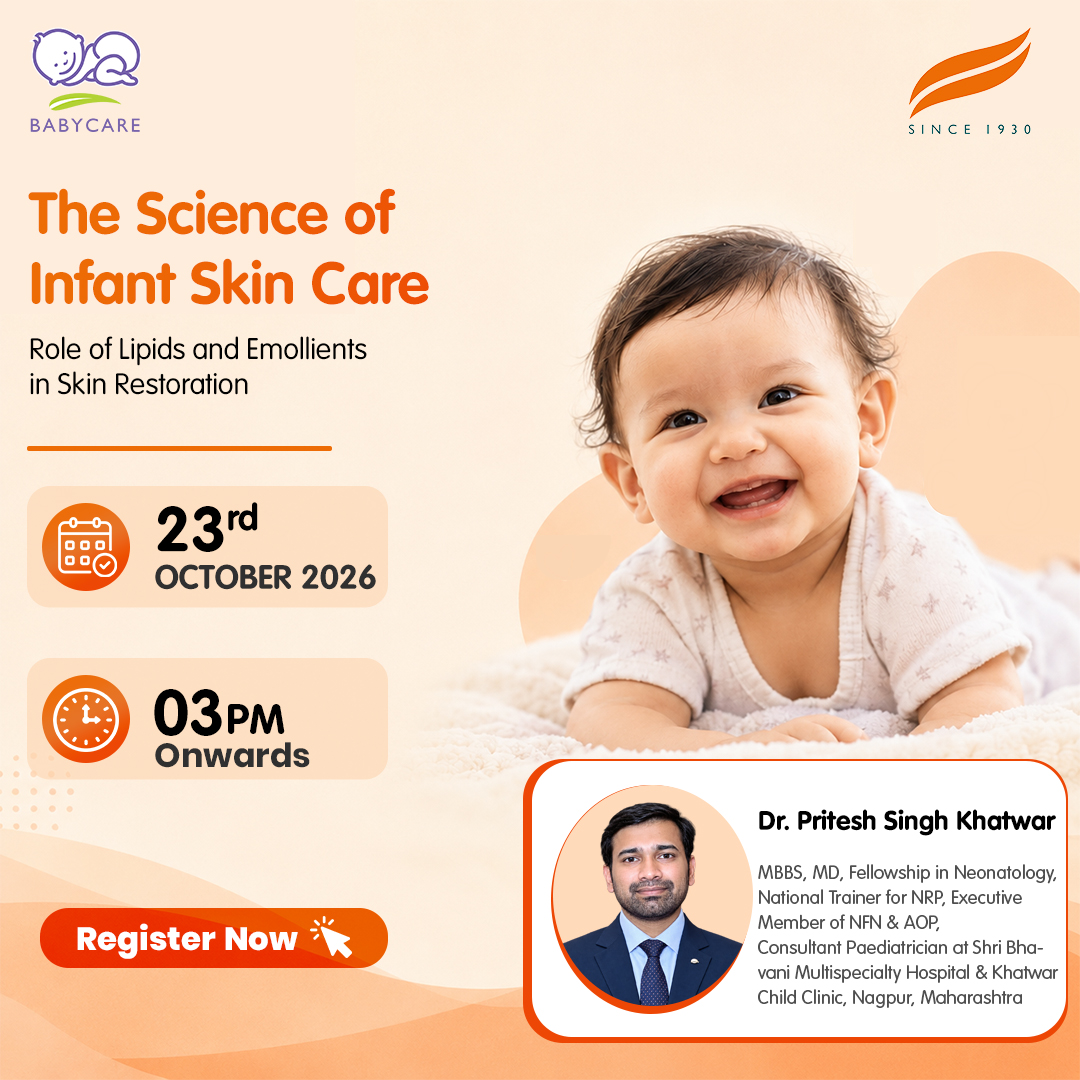
Video
The Science of Infant Skin Care
Role of Lipids and Emollients in Skin Restoration
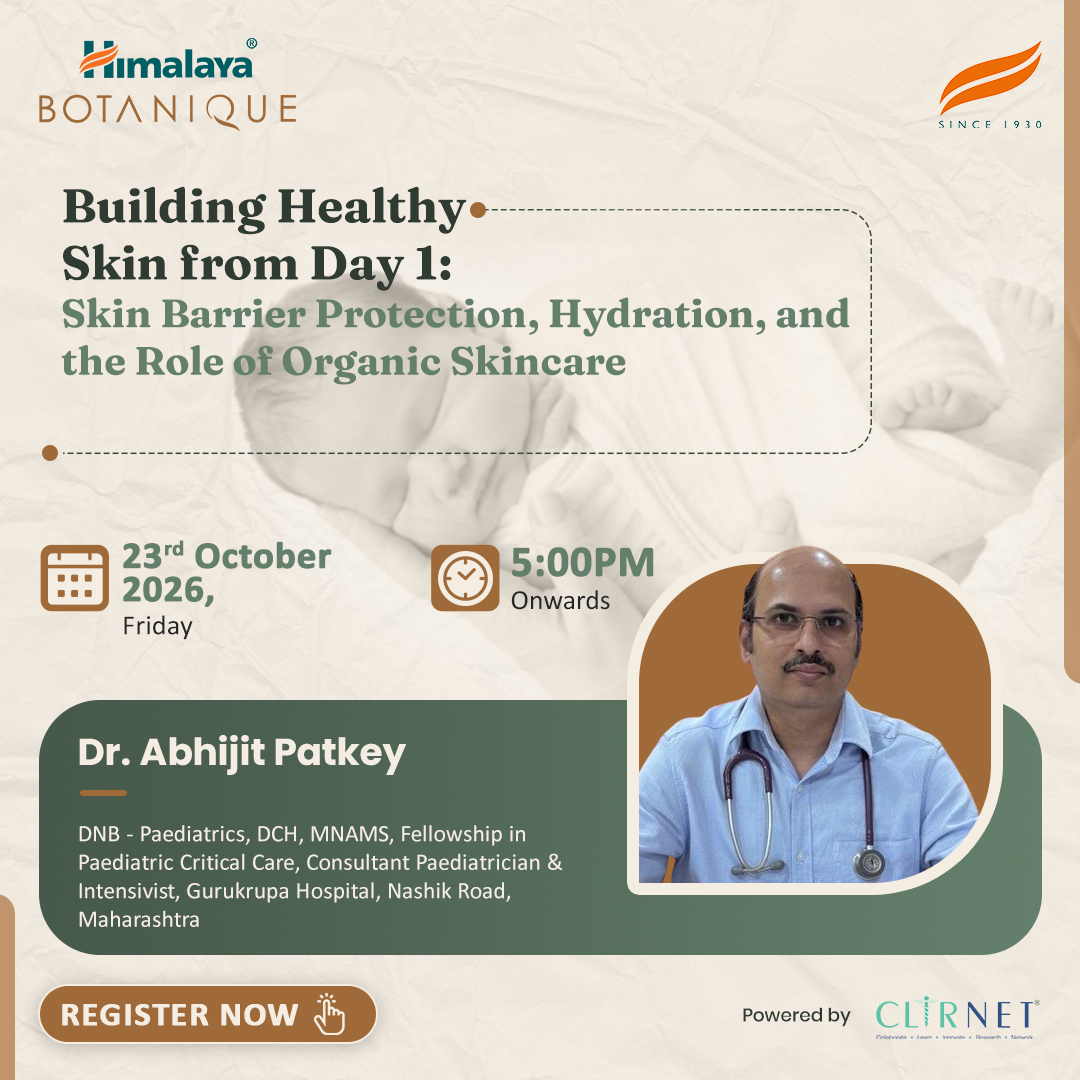
Video
Building Healthy Skin from Day 1
Skin Barrier Protection, Hydration, and the Role of Organic Skincare
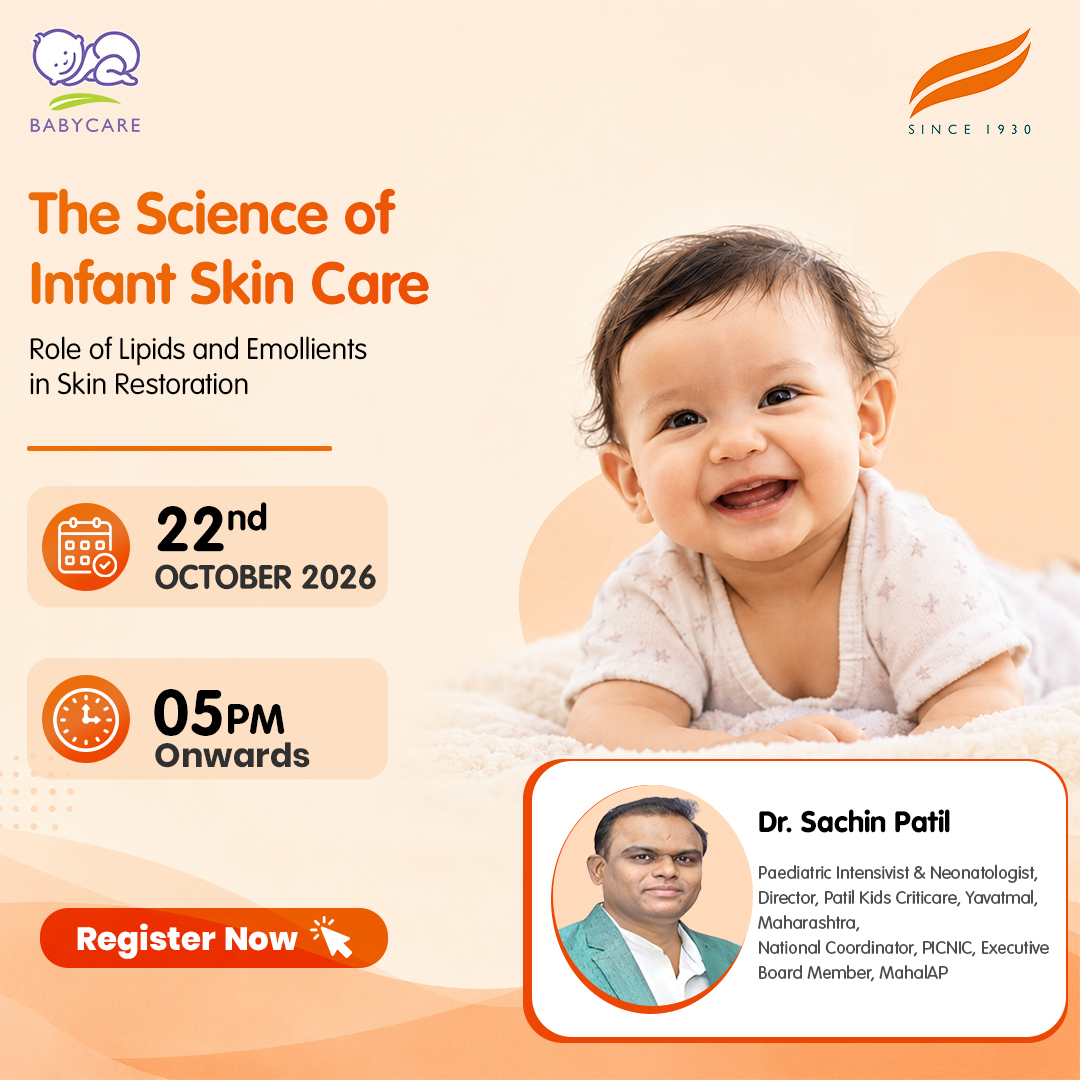
Video
The Science of Infant Skin Care
Role of Lipids and Emollients in Skin Restoration