The Silent Invader: Tracing the Neurological Footprint of Listeria Infection
Listeria monocytogenes is a foodborne pathogen capable of causing severe invasive infections, particularly in vulnerable populations such as neonates, pregnant women, the elderly, and immunocompromised individuals. While initial symptoms may resemble mild gastrointestinal illness, the pathogen can cross the blood-brain barrier, leading to serious neurological complications, including meningitis, encephalitis, and rhombencephalitis. Neurolisteriosis is often characterised by altered mental status, seizures, and focal neurological deficits. Diagnosis requires a high index of suspicion, supported by cerebrospinal fluid analysis and blood cultures. Prompt initiation of targeted antibiotic therapy, typically with Ampicillin or Penicillin, is critical for improving outcomes. Delays in treatment can result in significant morbidity or mortality.

Dr. Priyanshu Mathur
MBBS, MD - Paediatrics, Gold Medalist, Master's in Neurometabolism, Head Medical Genetics; Nodal Officer – Rare Diseases, Rajasthan; Associate Professor, SMS Medical College, Jaipur
Organizer
Related Content
Video
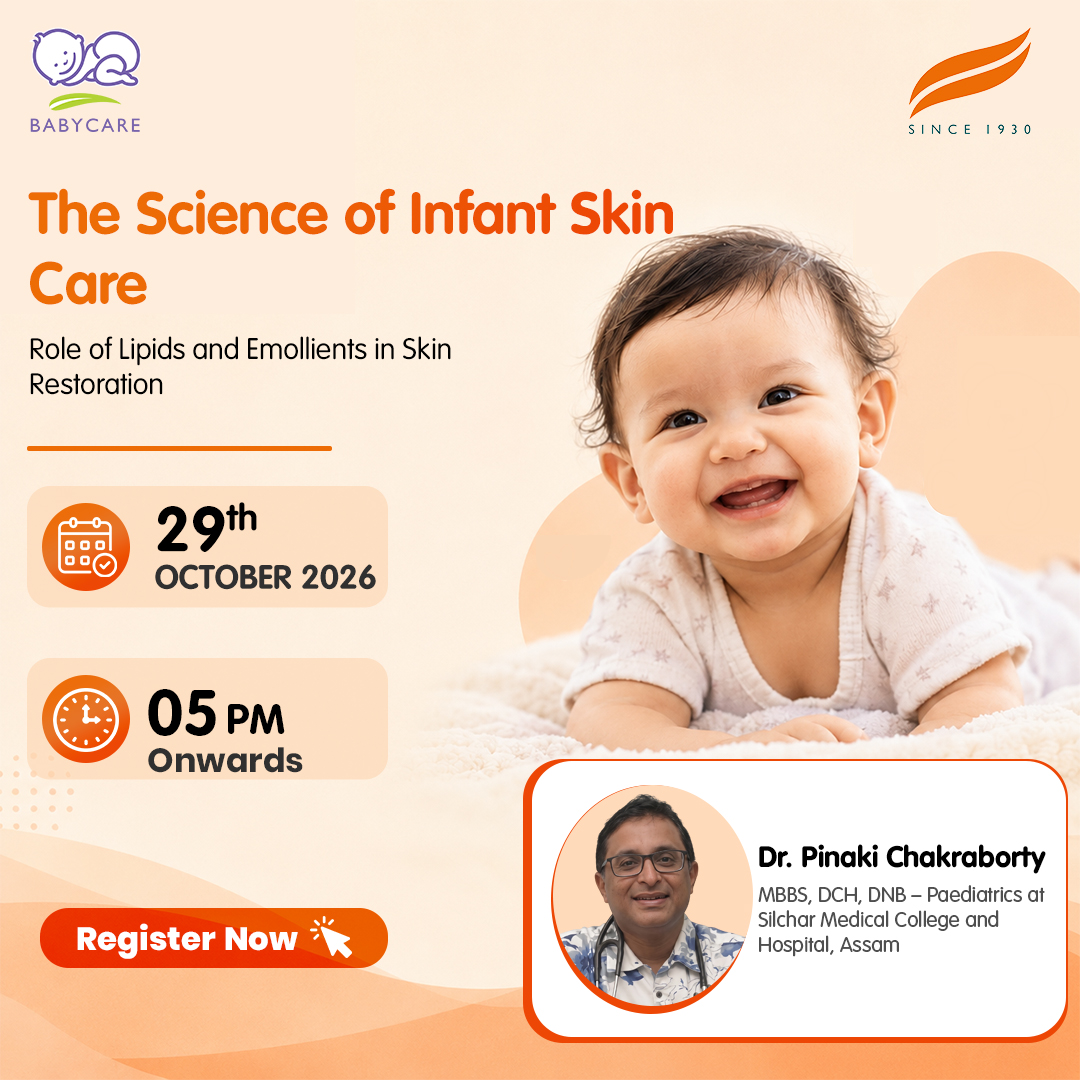
The Science of Infant Skin Care:
Role of Lipids and Emollients in Skin Restoration
Video
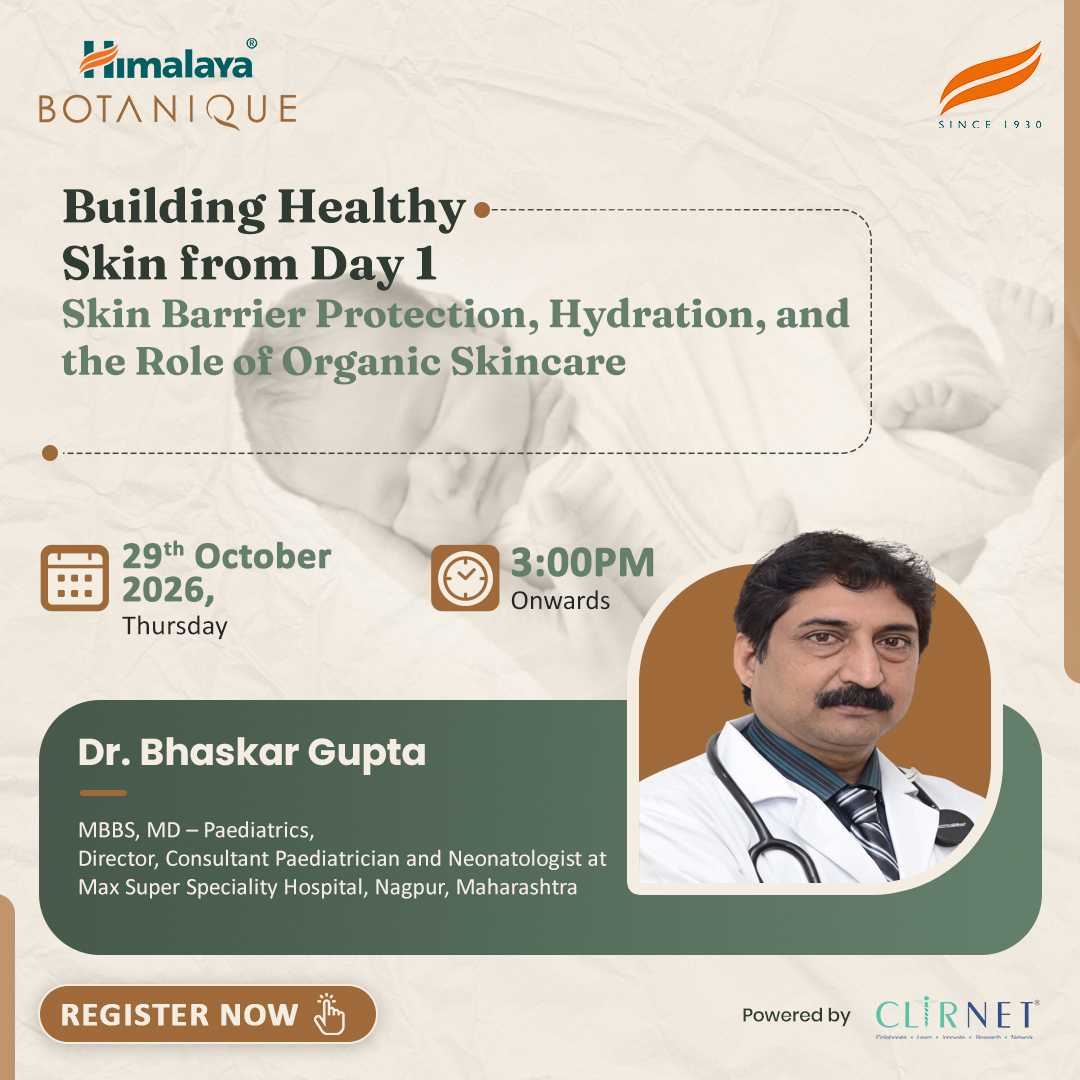
Building Healthy Skin from Day 1:
Skin Barrier Protection, Hydration, and the Role of Organic Skincare
Video
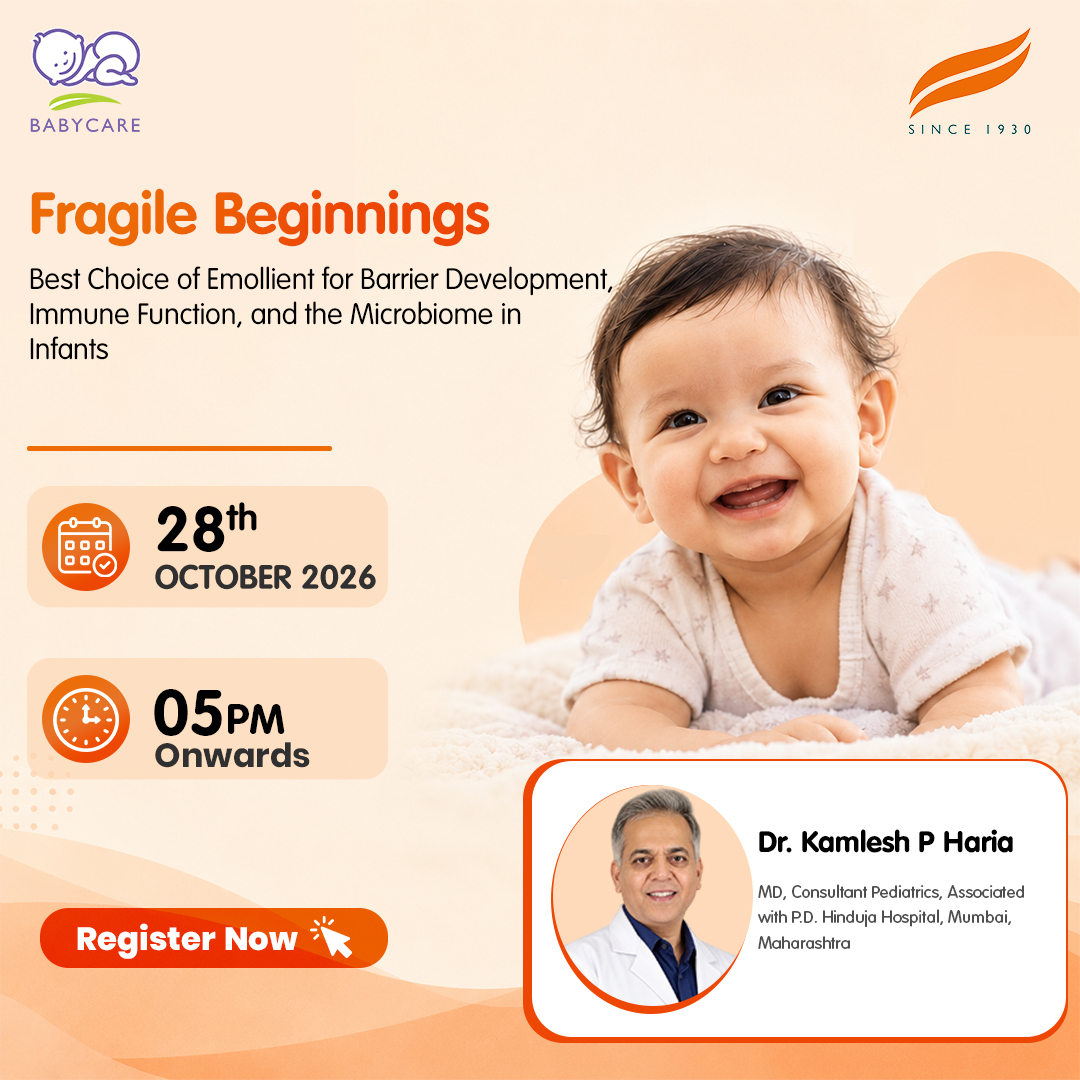
Fragile Beginnings:
Best Choice of Emollient for Barrier Development, Immune Function, and the Microbiome in Infants
Video
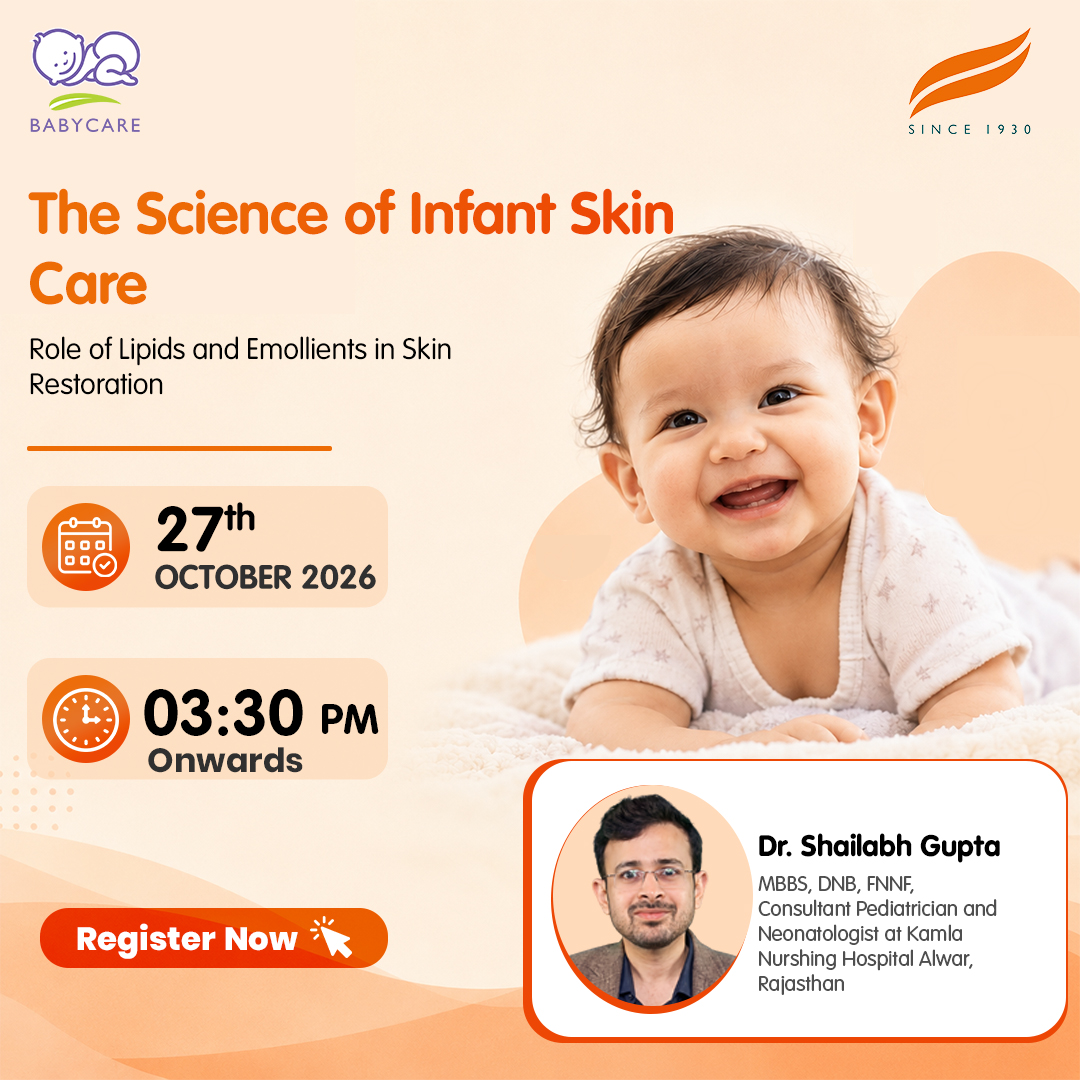
The Science of Infant Skin Care:
Role of Lipids and Emollients in Skin Restoration
Video
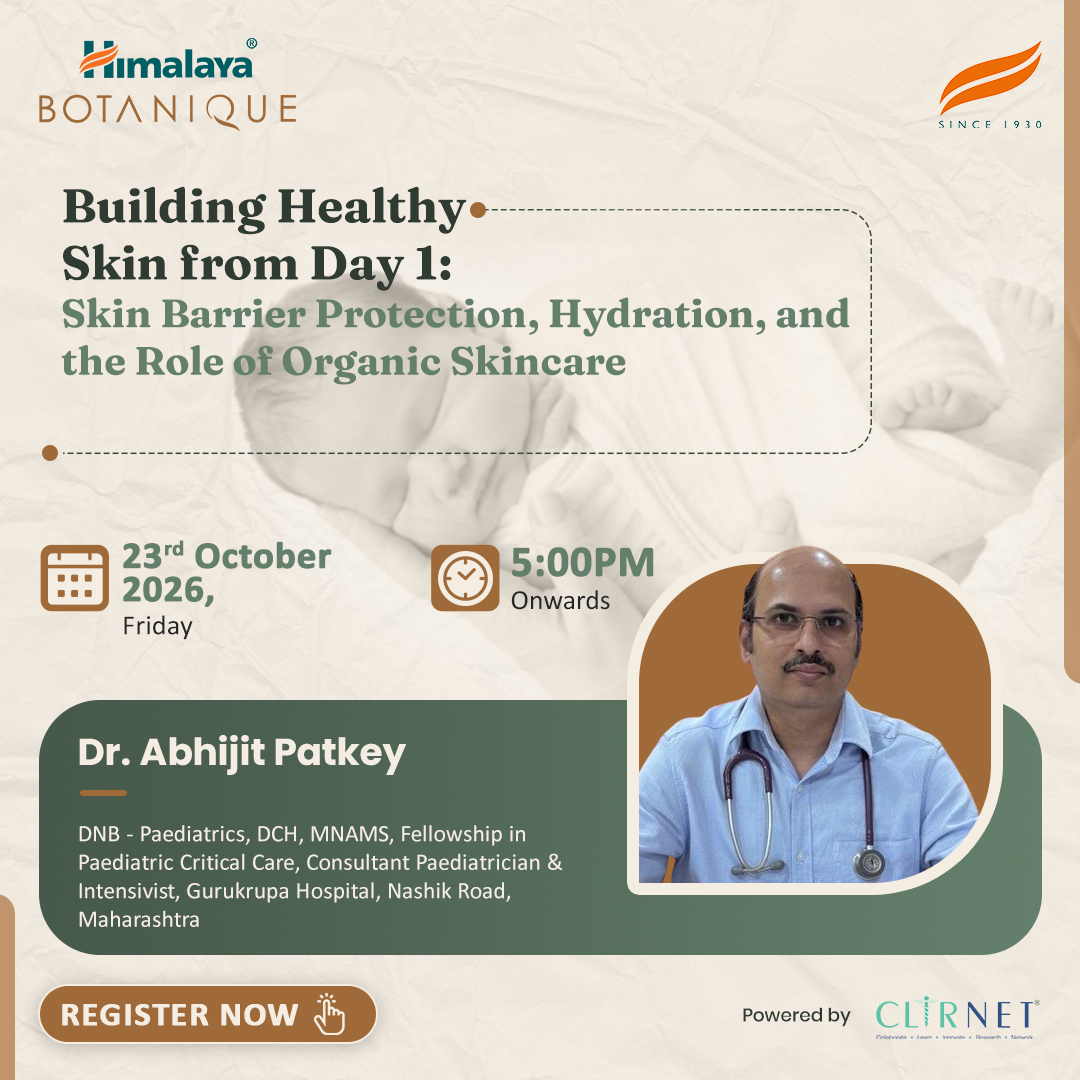
Building Healthy Skin from Day 1:
Skin Barrier Protection, Hydration, and the Role of Organic Skincare
Video
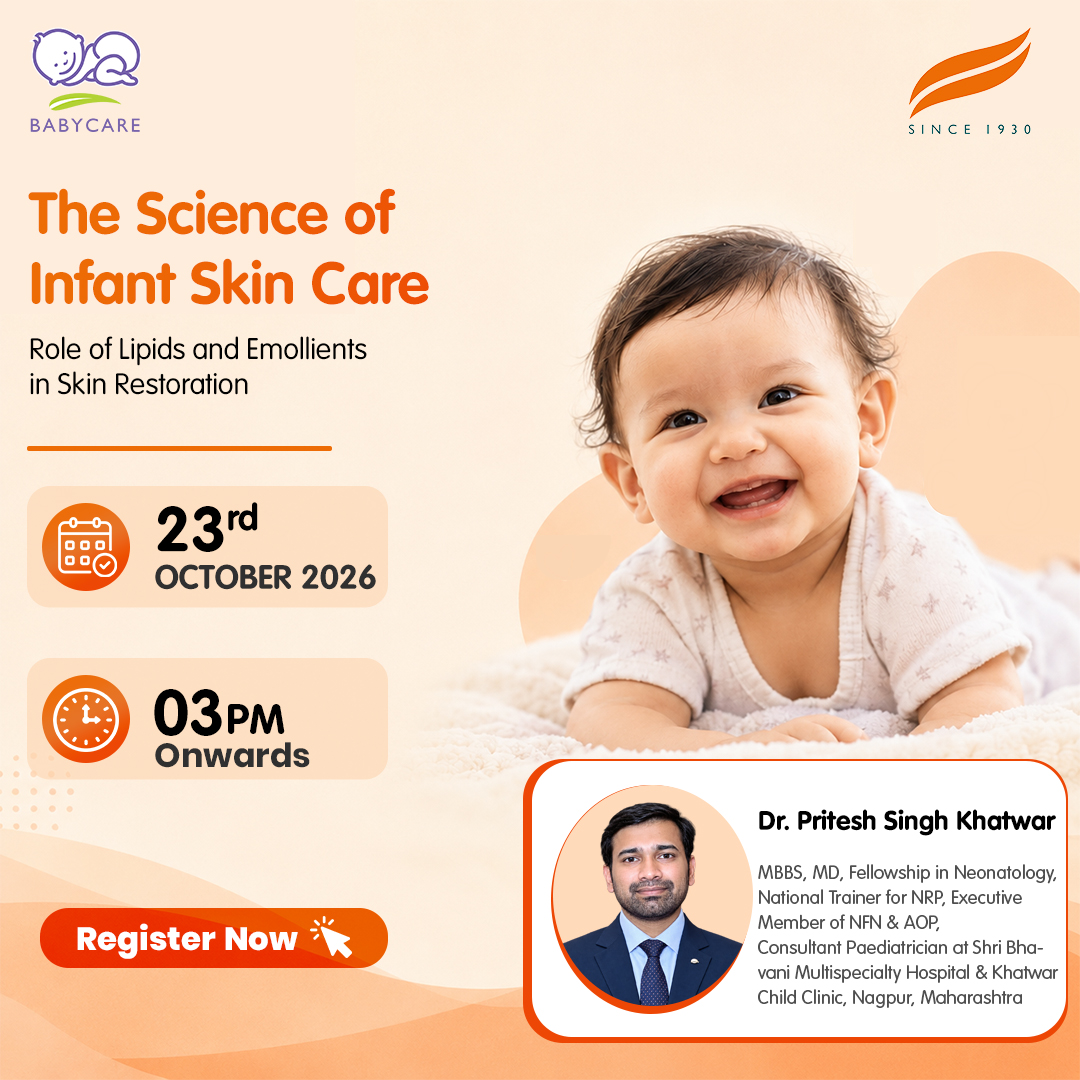
The Science of Infant Skin Care
Role of Lipids and Emollients in Skin Restoration
Video
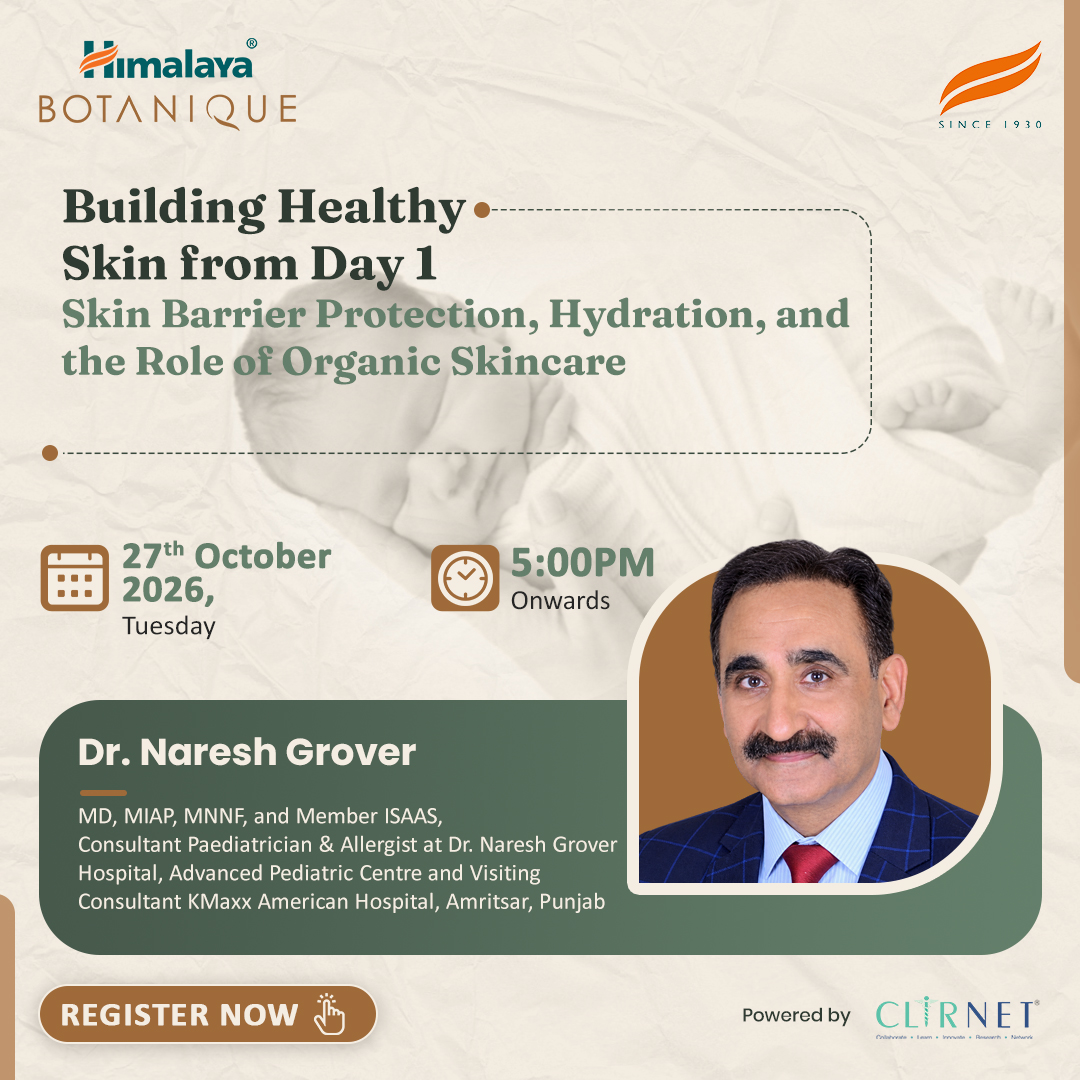
Building Healthy Skin from Day 1
Skin Barrier Protection, Hydration, and the Role of Organic Skincare
Video
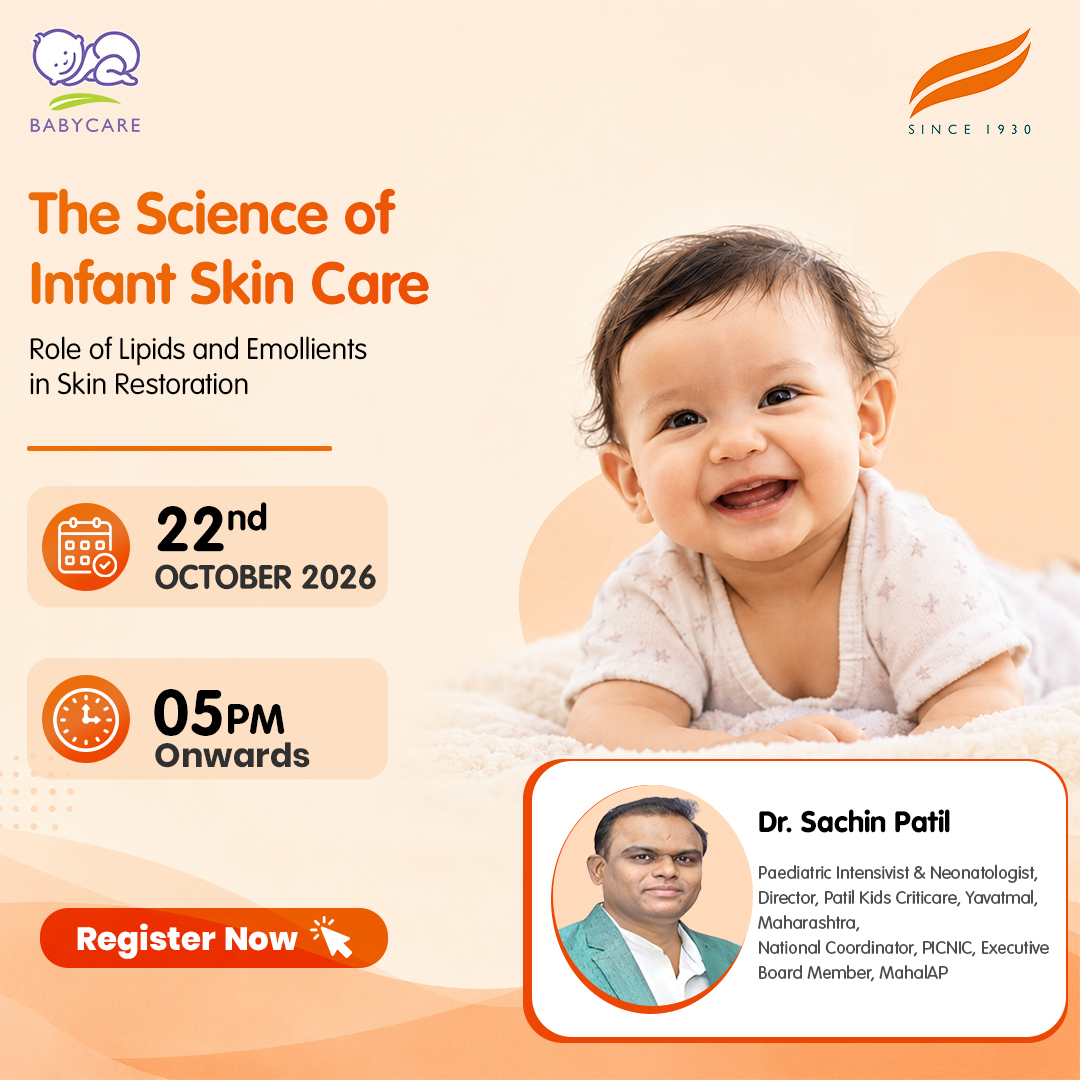
The Science of Infant Skin Care
Role of Lipids and Emollients in Skin Restoration