The Silent Invader: Tracing the Neurological Footprint of Listeria Infection
Listeria monocytogenes is a foodborne pathogen capable of causing severe invasive infections, particularly in vulnerable populations such as neonates, pregnant women, the elderly, and immunocompromised individuals. While initial symptoms may resemble mild gastrointestinal illness, the pathogen can cross the blood-brain barrier, leading to serious neurological complications, including meningitis, encephalitis, and rhombencephalitis. Neurolisteriosis is often characterised by altered mental status, seizures, and focal neurological deficits. Diagnosis requires a high index of suspicion, supported by cerebrospinal fluid analysis and blood cultures. Prompt initiation of targeted antibiotic therapy, typically with Ampicillin or Penicillin, is critical for improving outcomes. Delays in treatment can result in significant morbidity or mortality.

Dr. Ranjit Kumar Joshi
MBBS, Consultant Neonatologist at the Advanced Center for Neonatology and Paediatrics, Indraprastha Apollo Hospitals, New Delhi, IAP Fellowship holder, and member of IMA. Head and Senior Consultant, P...
Speaker
Related Content
Video
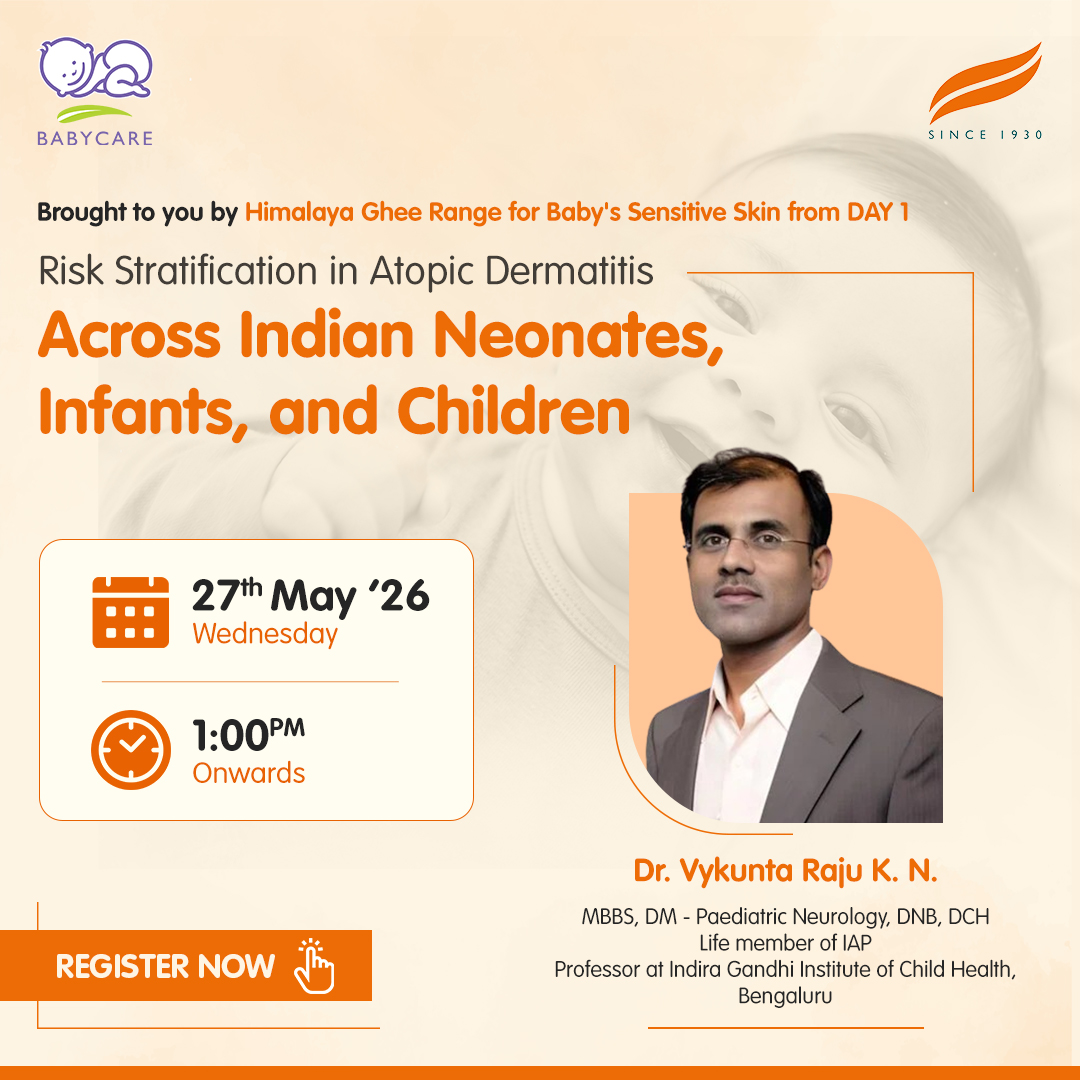
Risk Stratification in Atopic Dermatitis
Across Indian Neonates, Infants, and Children
Video
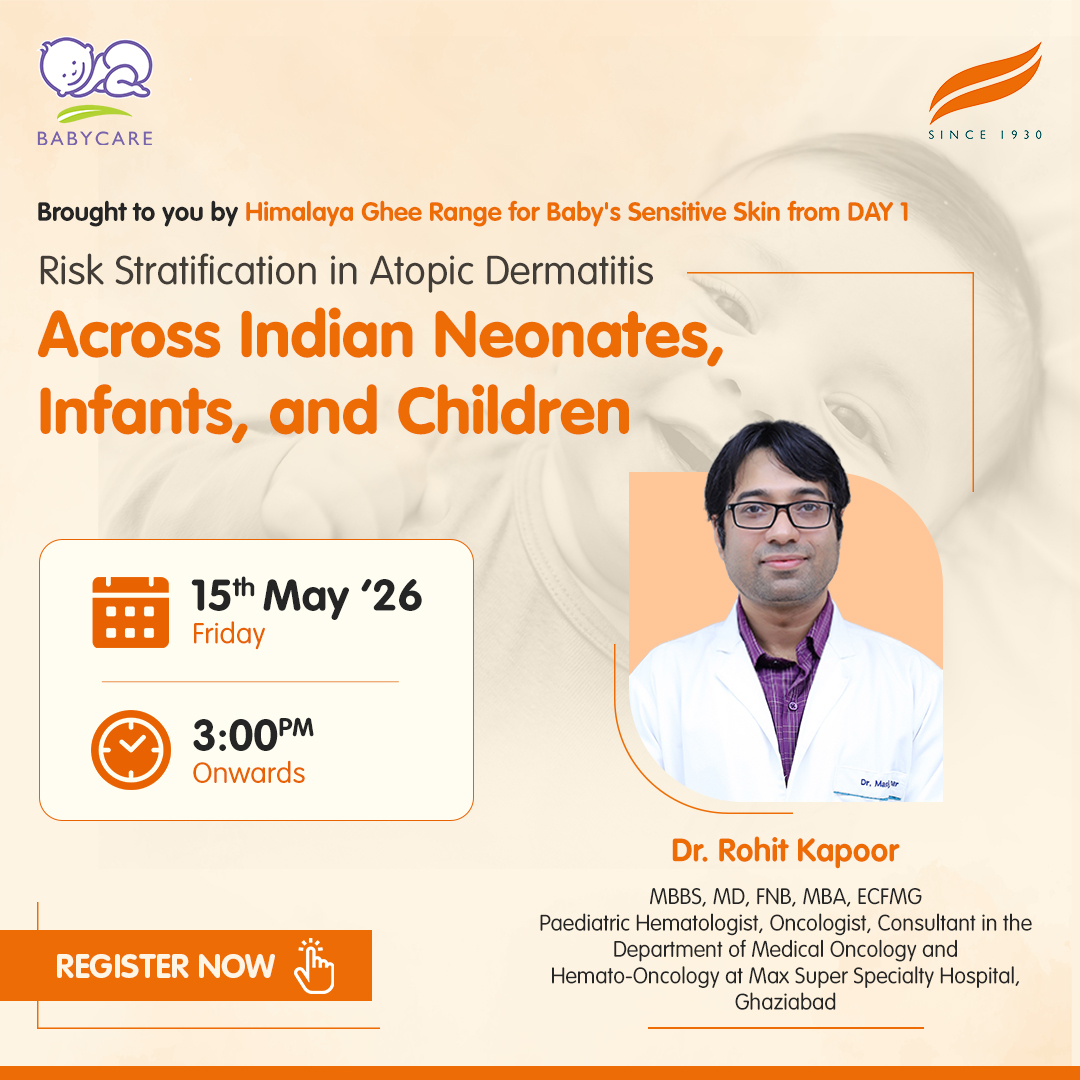
Risk Stratification in Atopic Dermatitis
Across Indian Neonates, Infants, and Children
Video
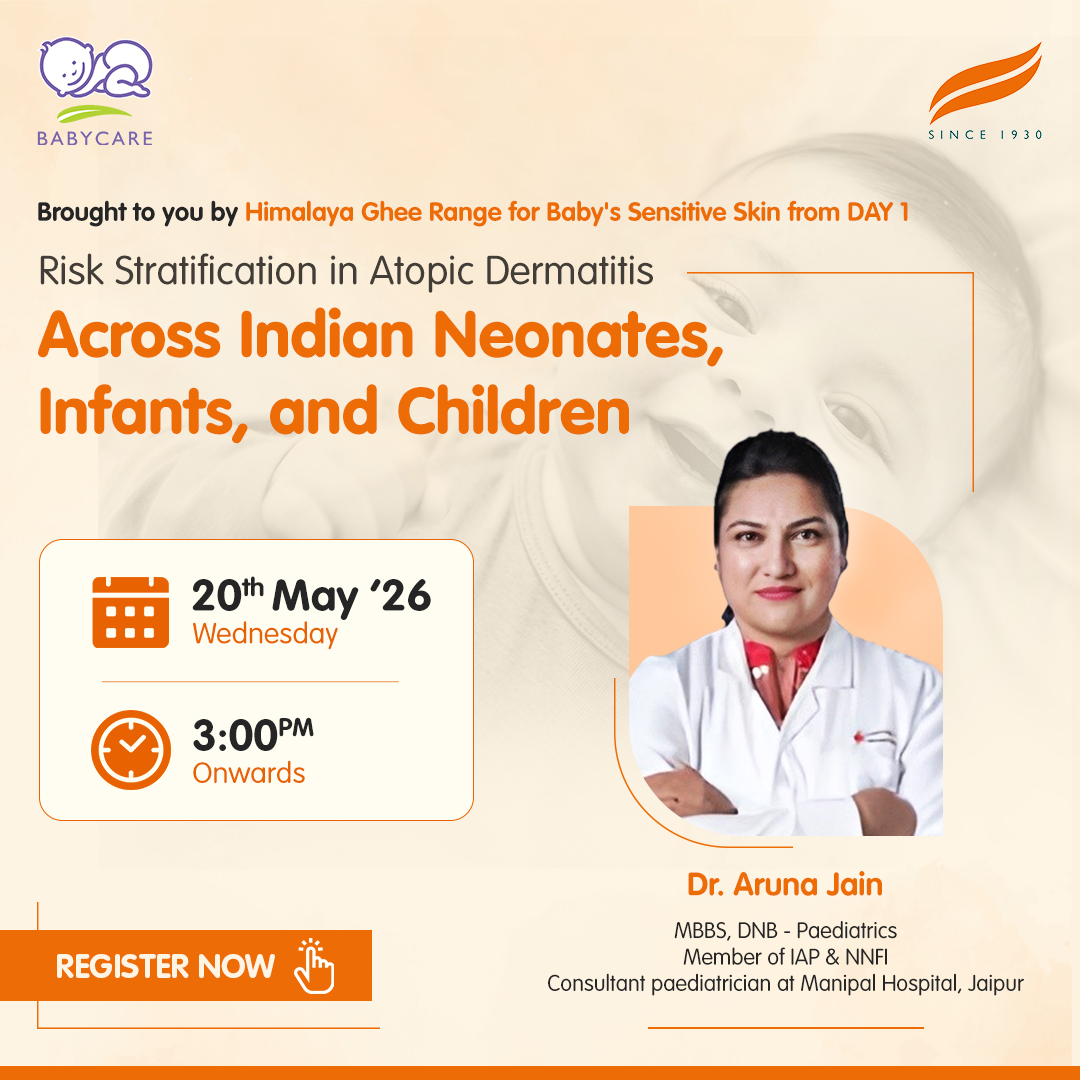
Risk Stratification in Atopic Dermatitis
Across Indian Neonates, Infants, and Children
Video
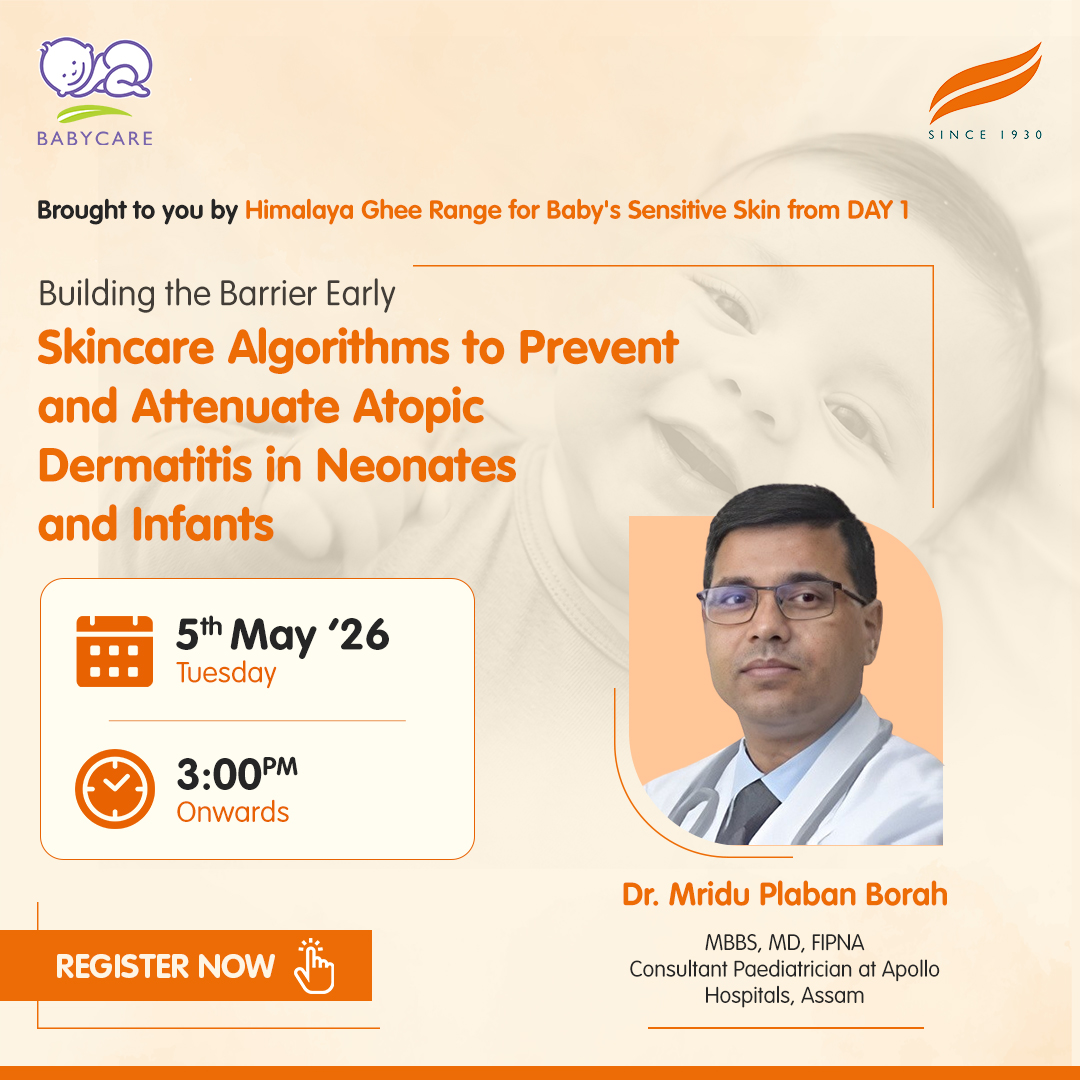
Building the Barrier Early
Skincare Algorithms to Prevent and Attenuate Atopic Dermatitis in Neonates and Infants
Video
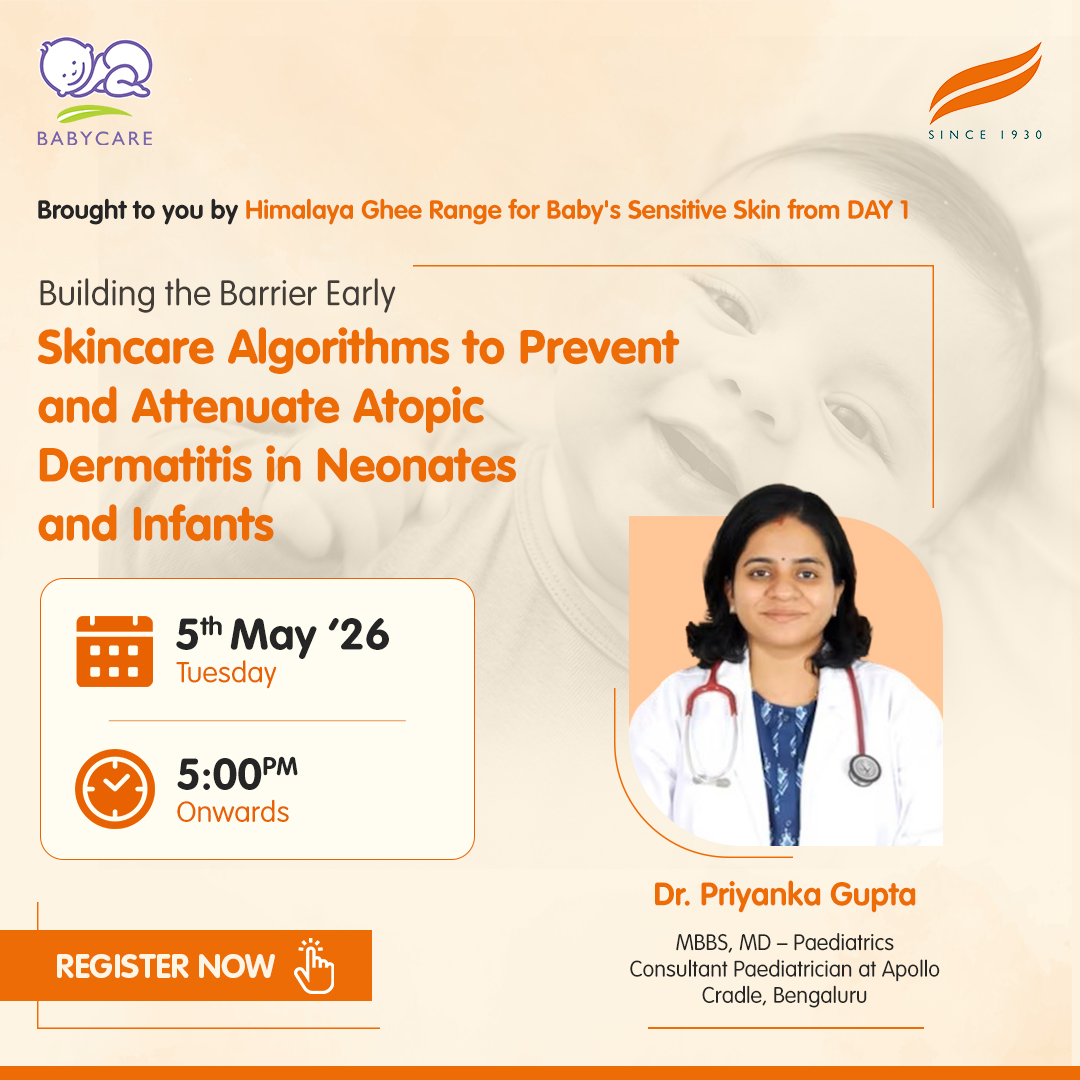
Building the Barrier Early
Skincare Algorithms to Prevent and Attenuate Atopic Dermatitis in Neonates and Infants
Video
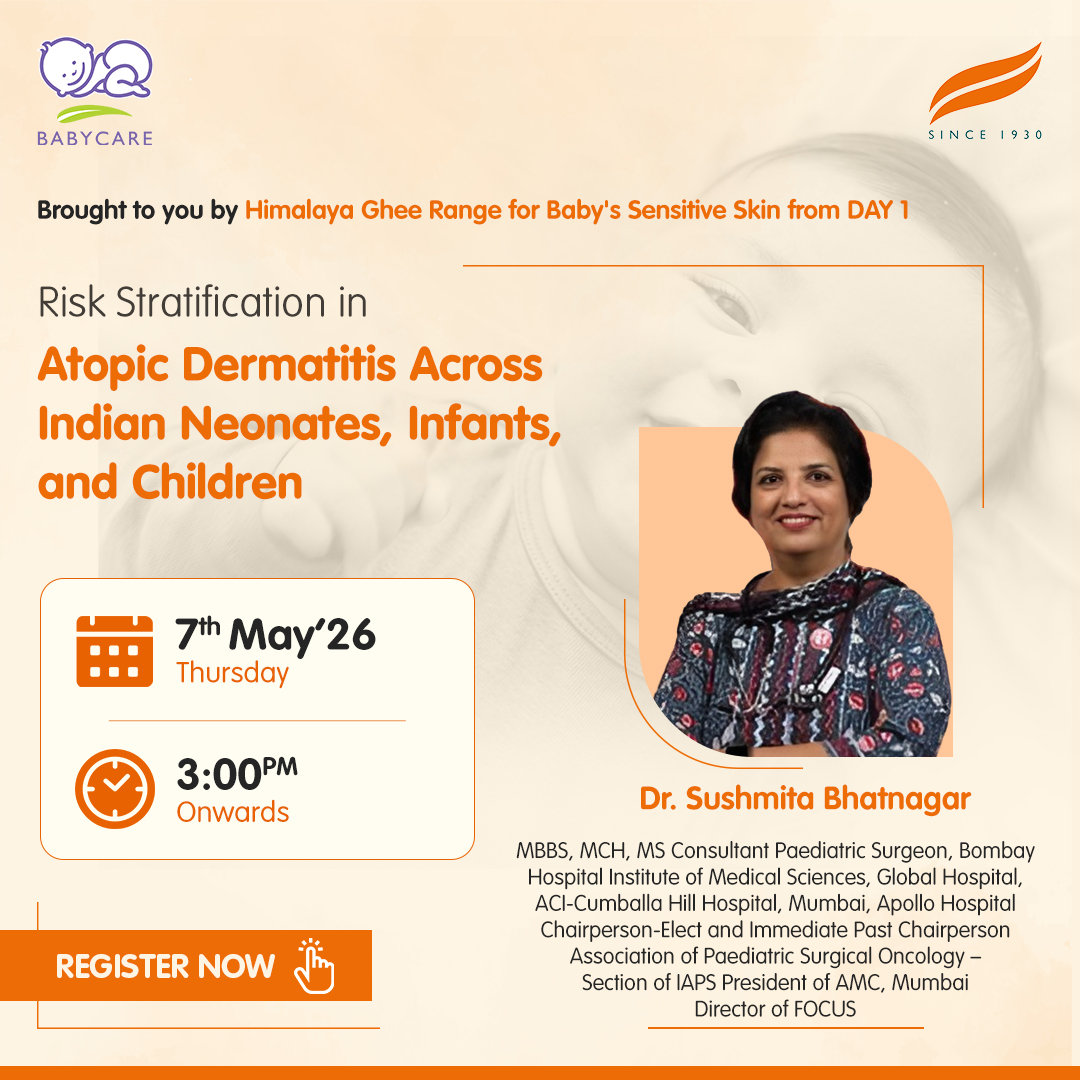
Risk Stratification in Atopic Dermatitis
Across Indian Neonates, Infants, and Children
Video
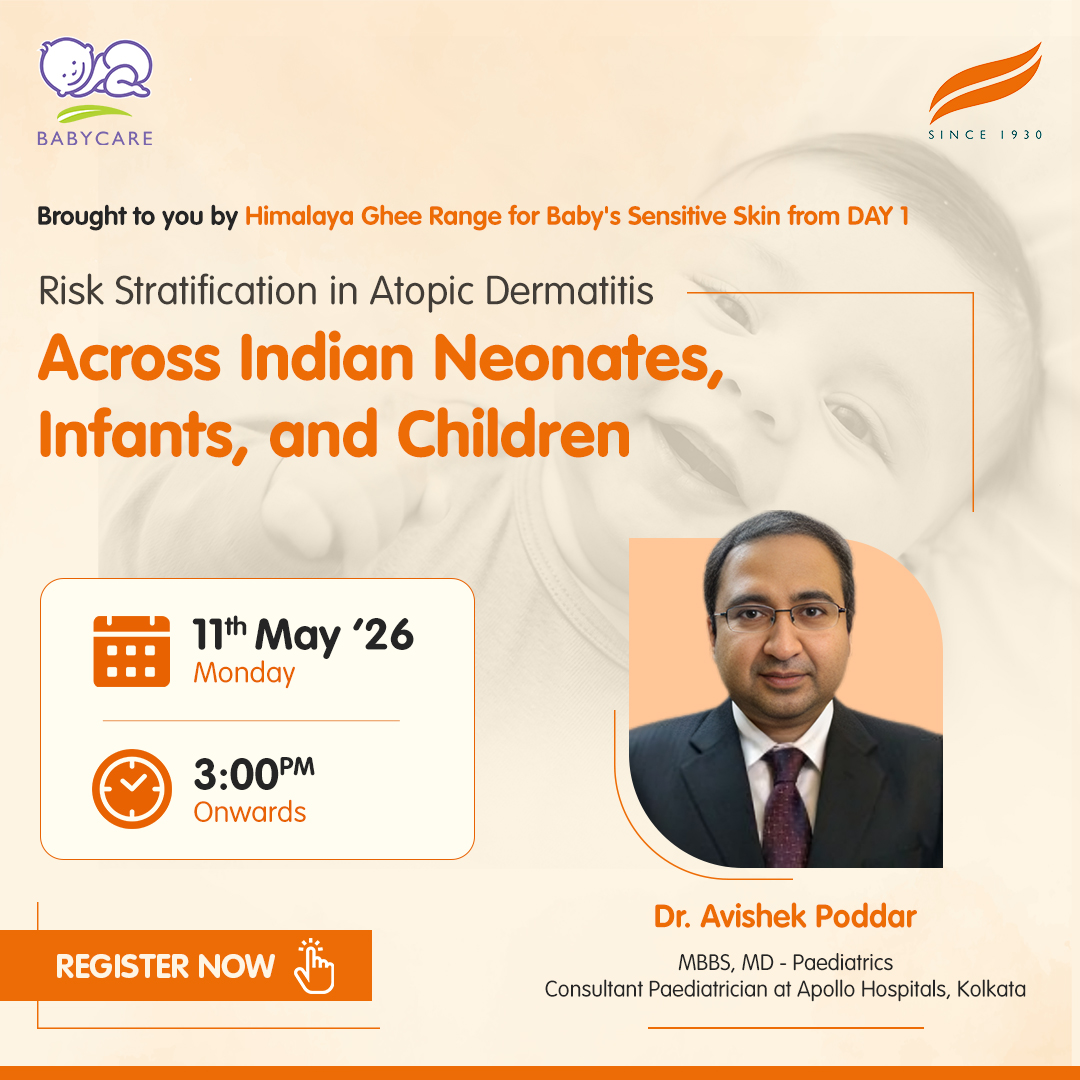
Risk Stratification in Atopic Dermatitis
Across Indian Neonates, Infants, and Children
Video
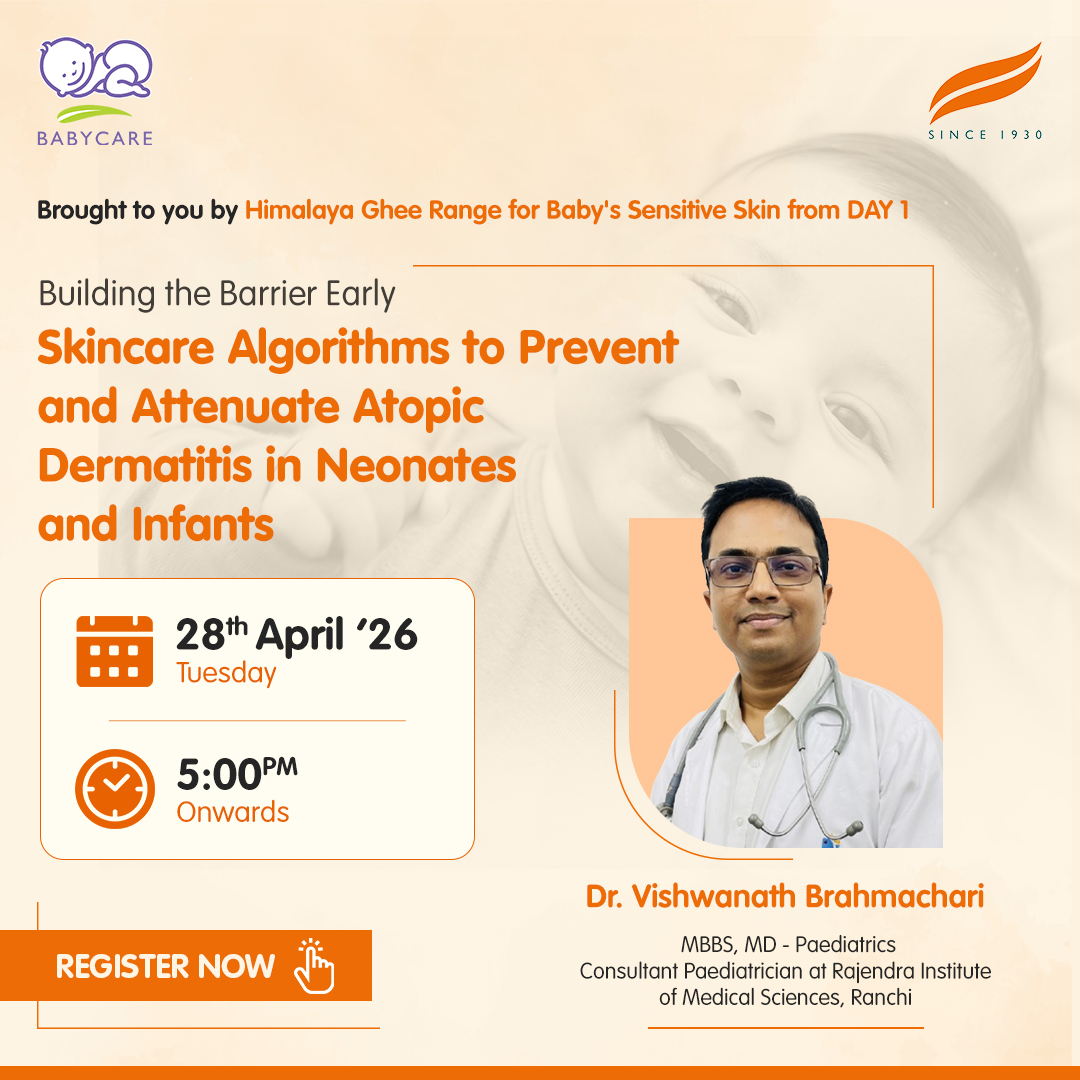
Building the Barrier Early
Skincare Algorithms to Prevent and Attenuate Atopic Dermatitis in Neonates and Infants