Probiotics in Preterm Infants: Shaping the Gut and Metabolic Future
Probiotics play a crucial role in modulating gut microbiota and improving health outcomes in preterm infants, who are vulnerable to intestinal dysbiosis due to immature immunity and antibiotic exposure. Supplementation with specific strains, such as Lactobacillus and Bifidobacterium, has shown promise in reducing the incidence of necrotising enterocolitis (NEC), late-onset sepsis, and feeding intolerance. Emerging evidence suggests that early probiotic intervention may influence long-term metabolic programming by promoting gut barrier integrity and modulating systemic inflammation. While safety and strain-specific efficacy remain key considerations, probiotics represent a valuable adjunct in shaping the gut and metabolic future of preterm neonates.

Dr. Balaji Chinnasami
MBBS, MD – Paediatrics, PG Diploma in Health Science and Adolescent Health Care, Awarded the Best Resident in Paediatrics at SMS Medical College, Assistant Professor, Department of Paediatrics at SR...
Speaker
Related Content

Video
Risk Stratification in Atopic Dermatitis
Across Indian Neonates, Infants, and Children

Video
Risk Stratification in Atopic Dermatitis
Across Indian Neonates, Infants, and Children
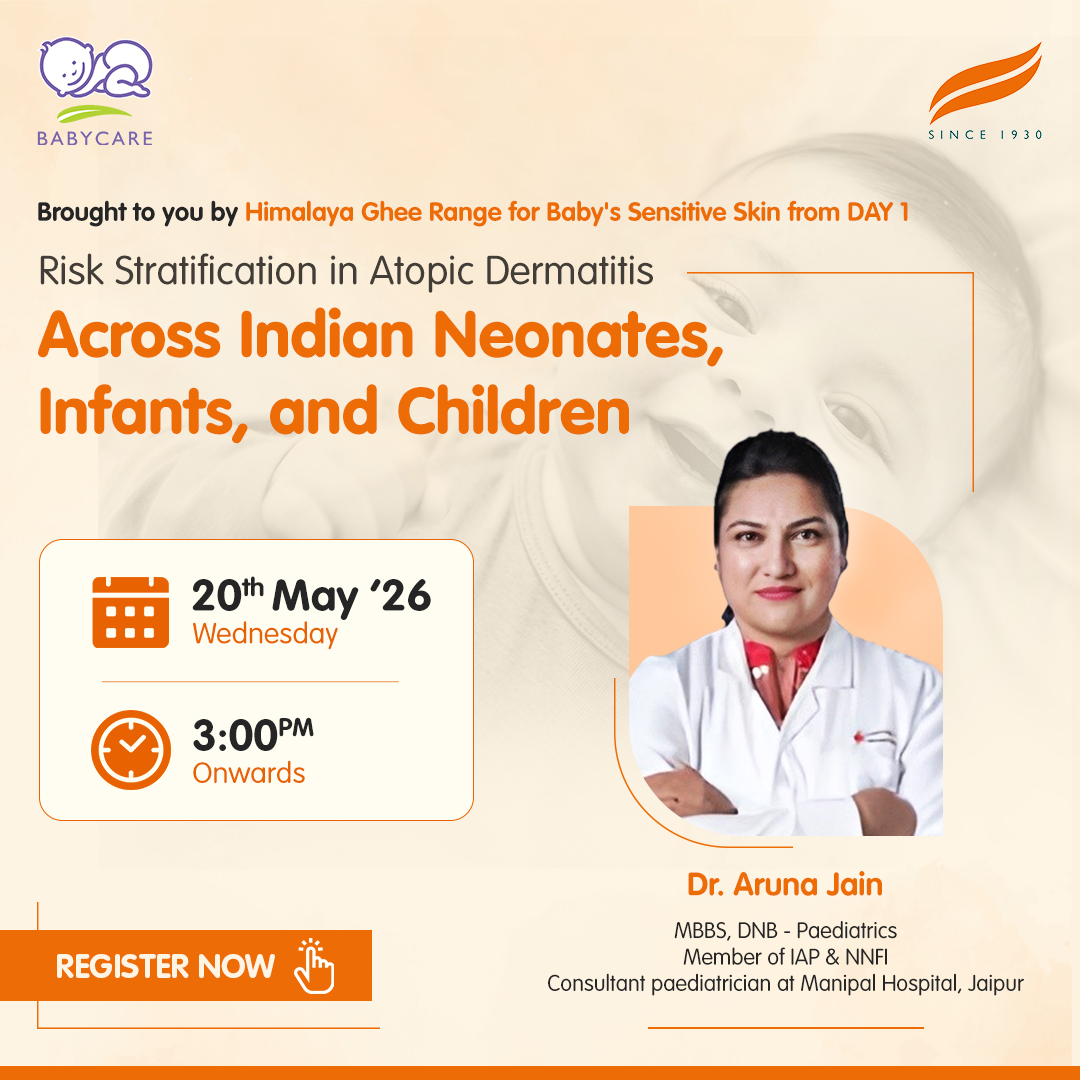
Video
Risk Stratification in Atopic Dermatitis
Across Indian Neonates, Infants, and Children
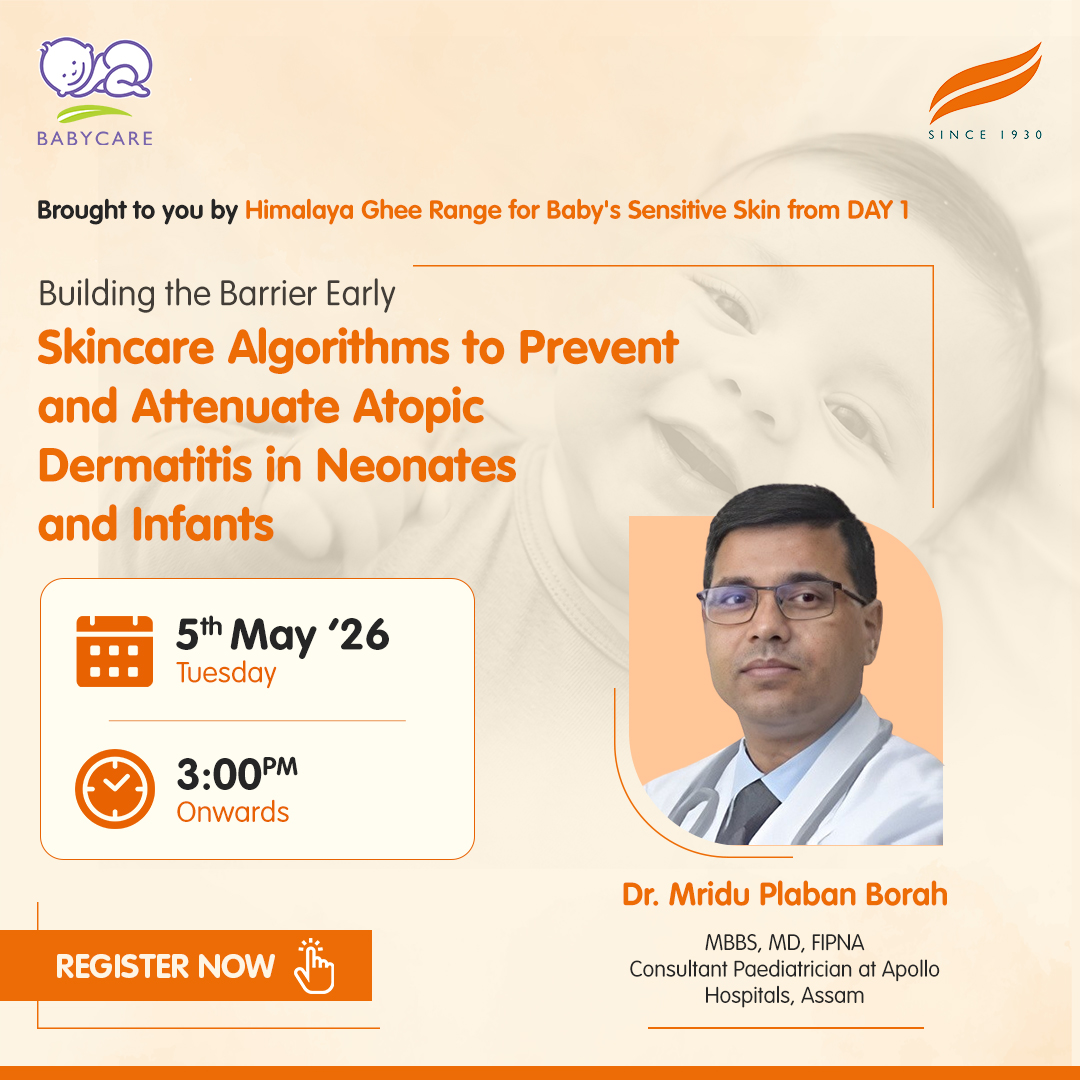
Video
Building the Barrier Early
Skincare Algorithms to Prevent and Attenuate Atopic Dermatitis in Neonates and Infants

Video
Building the Barrier Early
Skincare Algorithms to Prevent and Attenuate Atopic Dermatitis in Neonates and Infants

Video
Risk Stratification in Atopic Dermatitis
Across Indian Neonates, Infants, and Children

Video
Risk Stratification in Atopic Dermatitis
Across Indian Neonates, Infants, and Children

Video
Building the Barrier Early
Skincare Algorithms to Prevent and Attenuate Atopic Dermatitis in Neonates and Infants